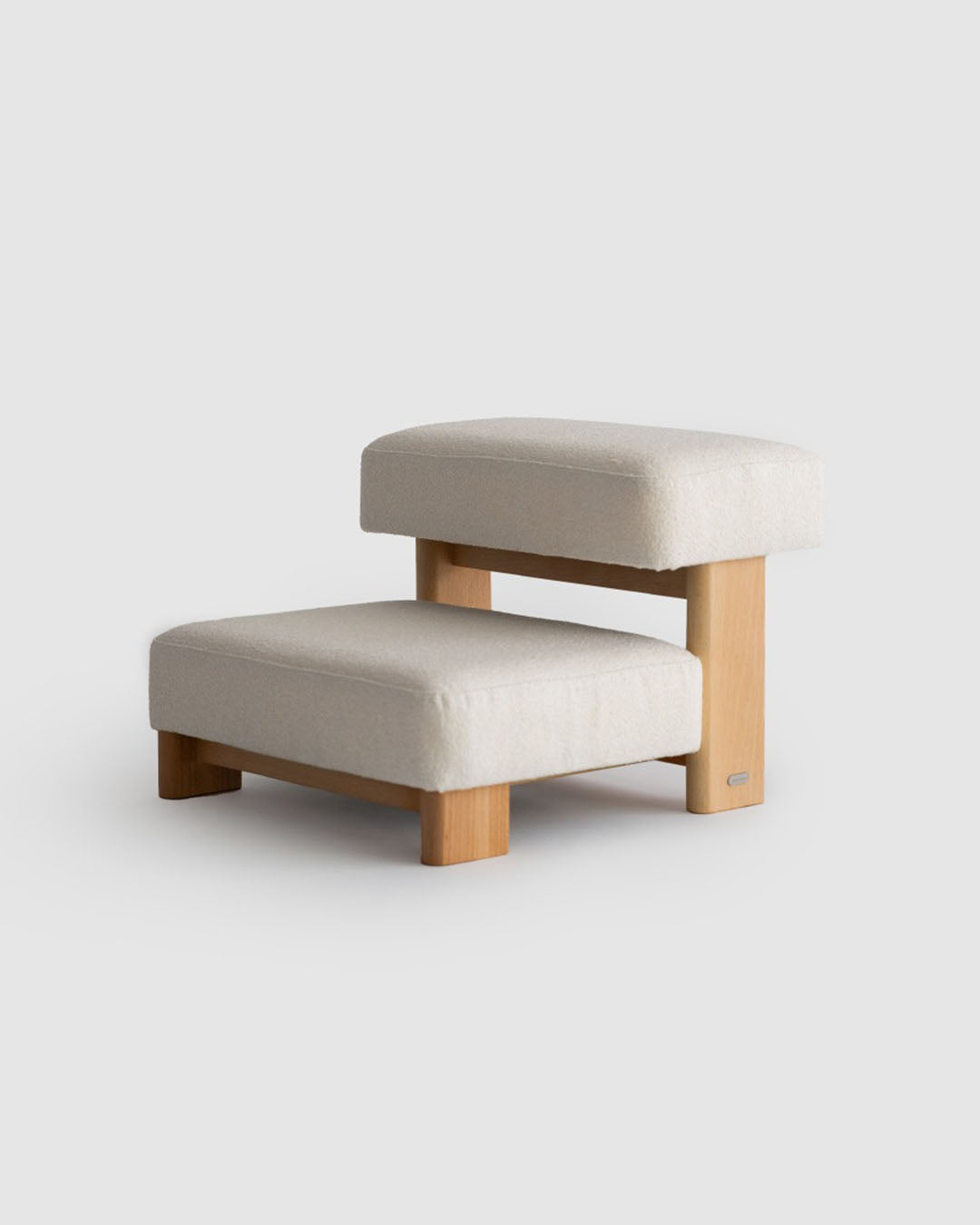
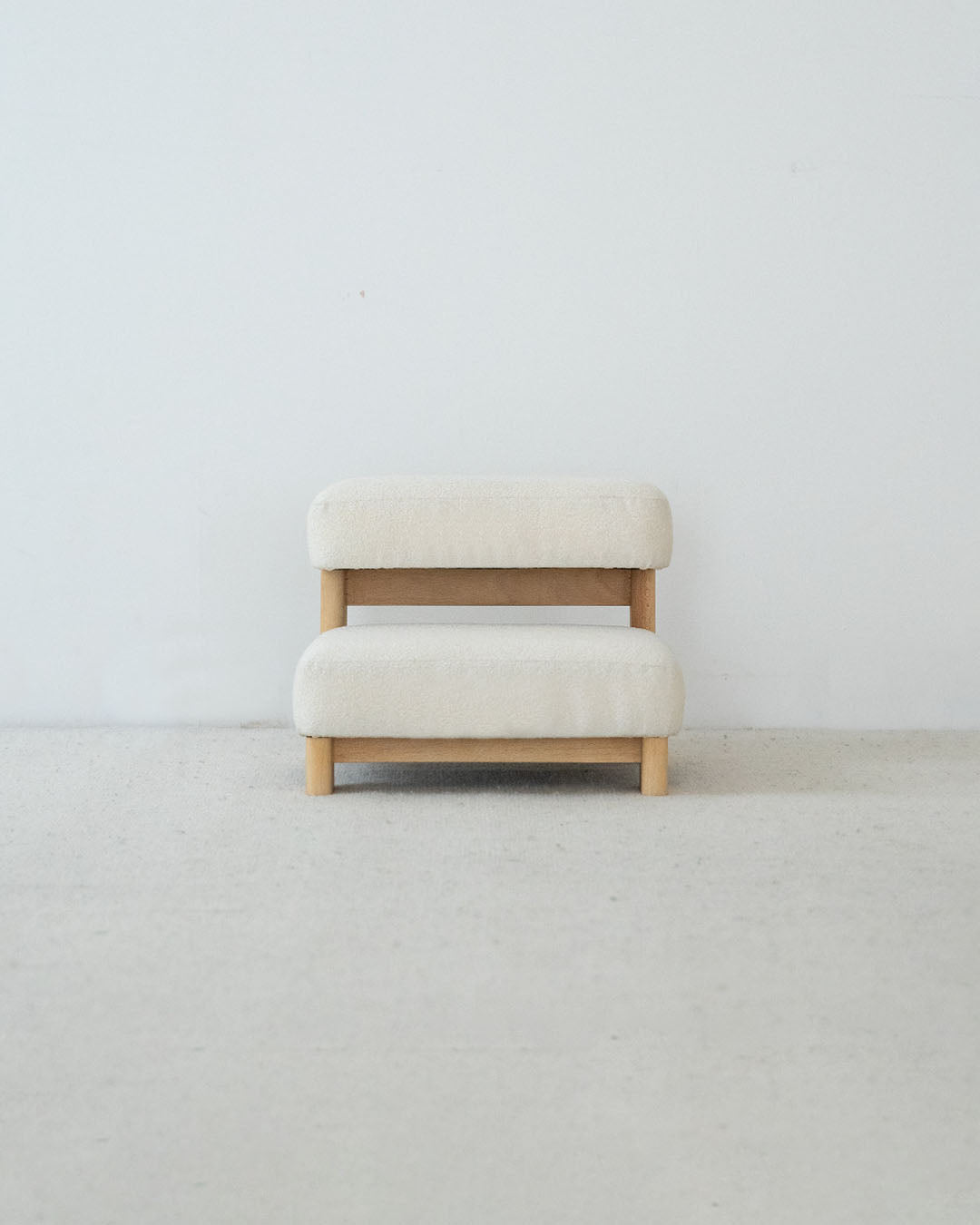
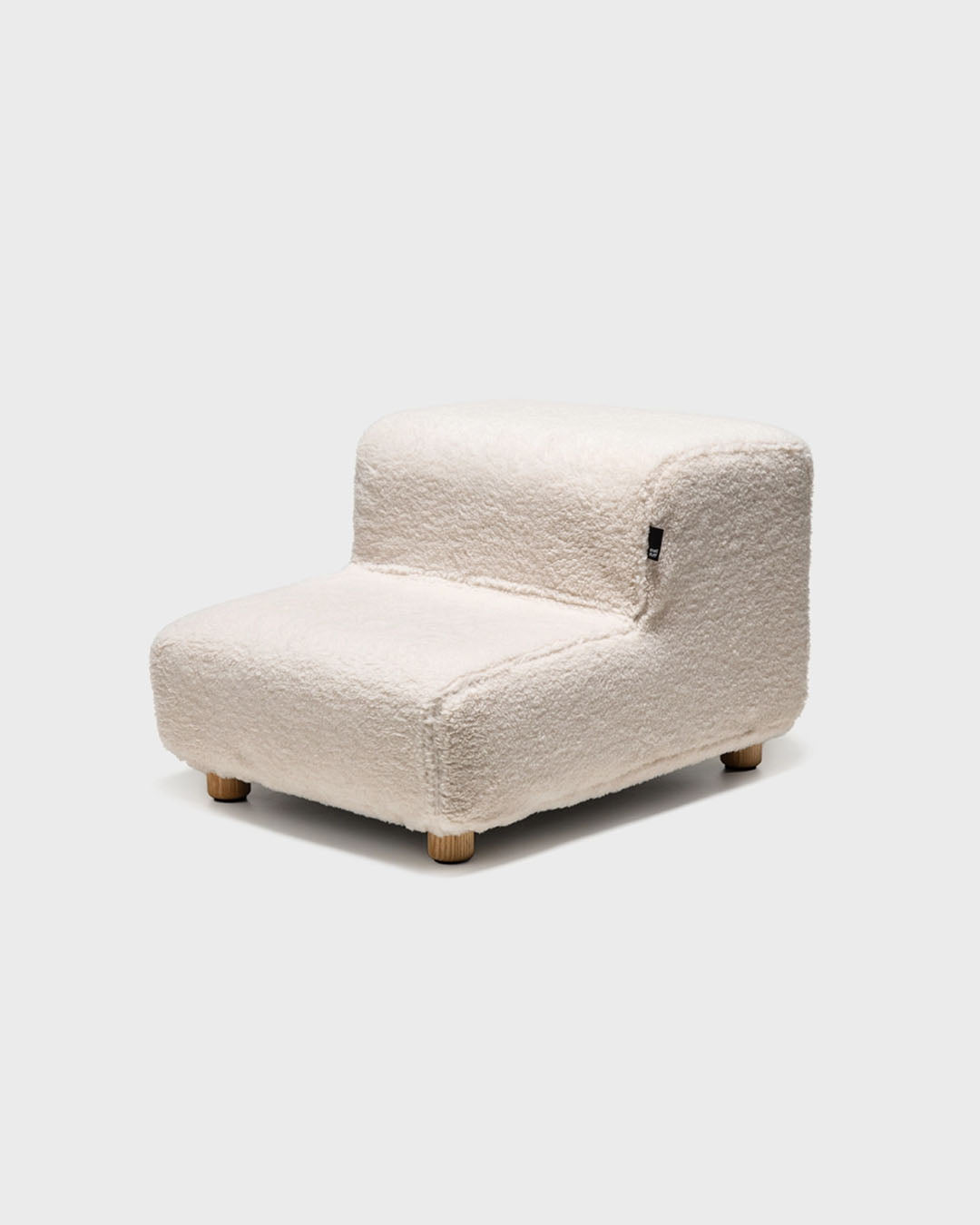
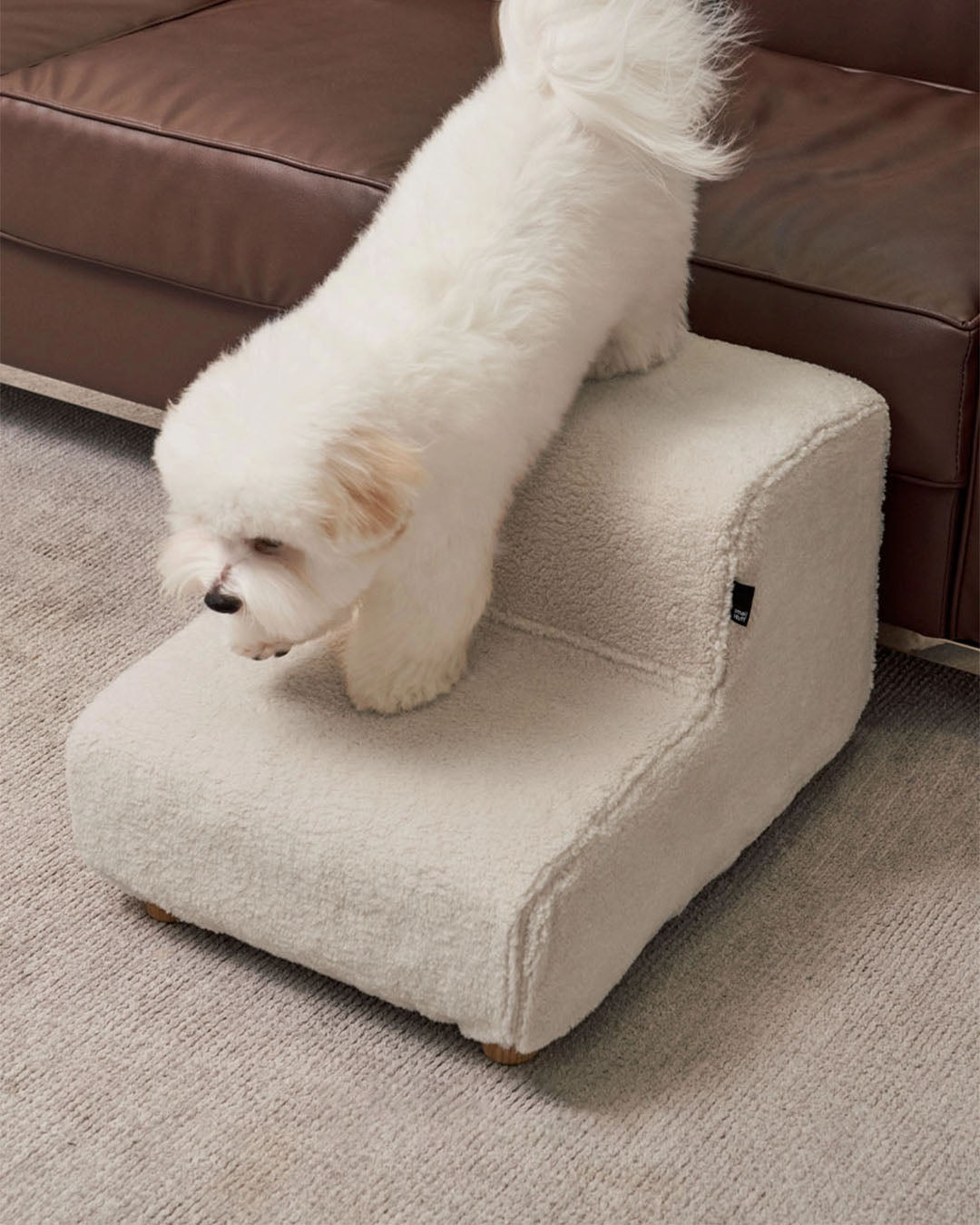
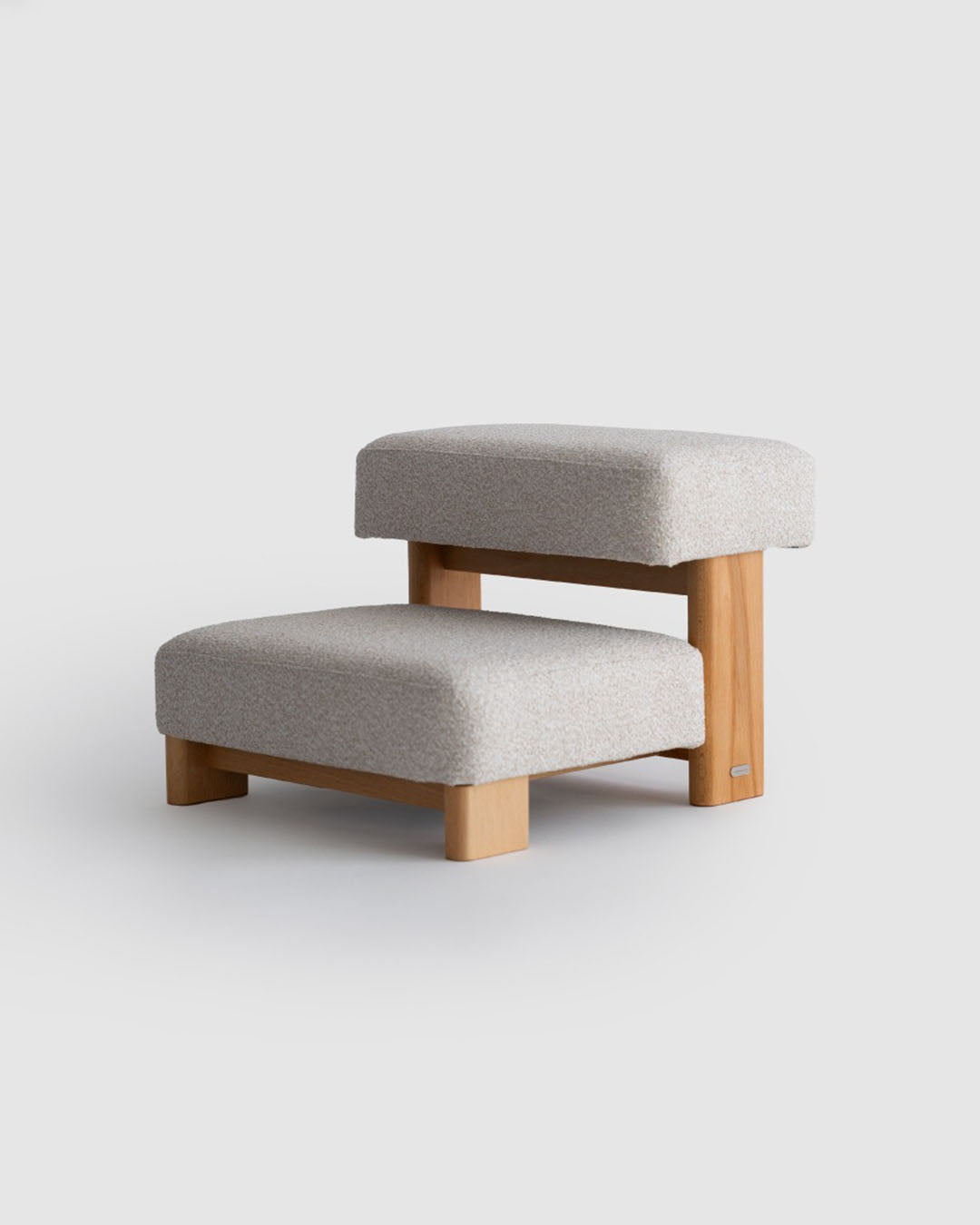
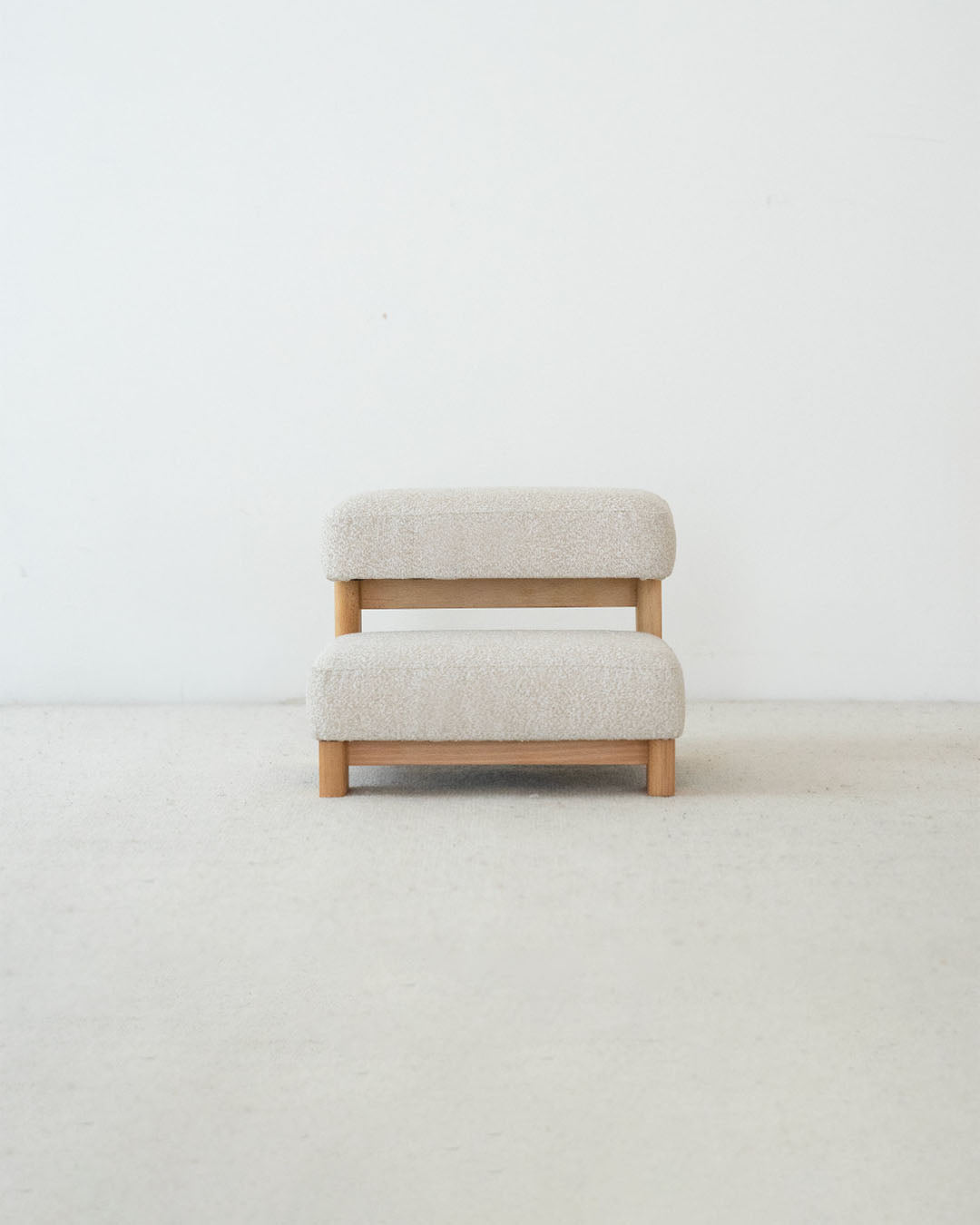
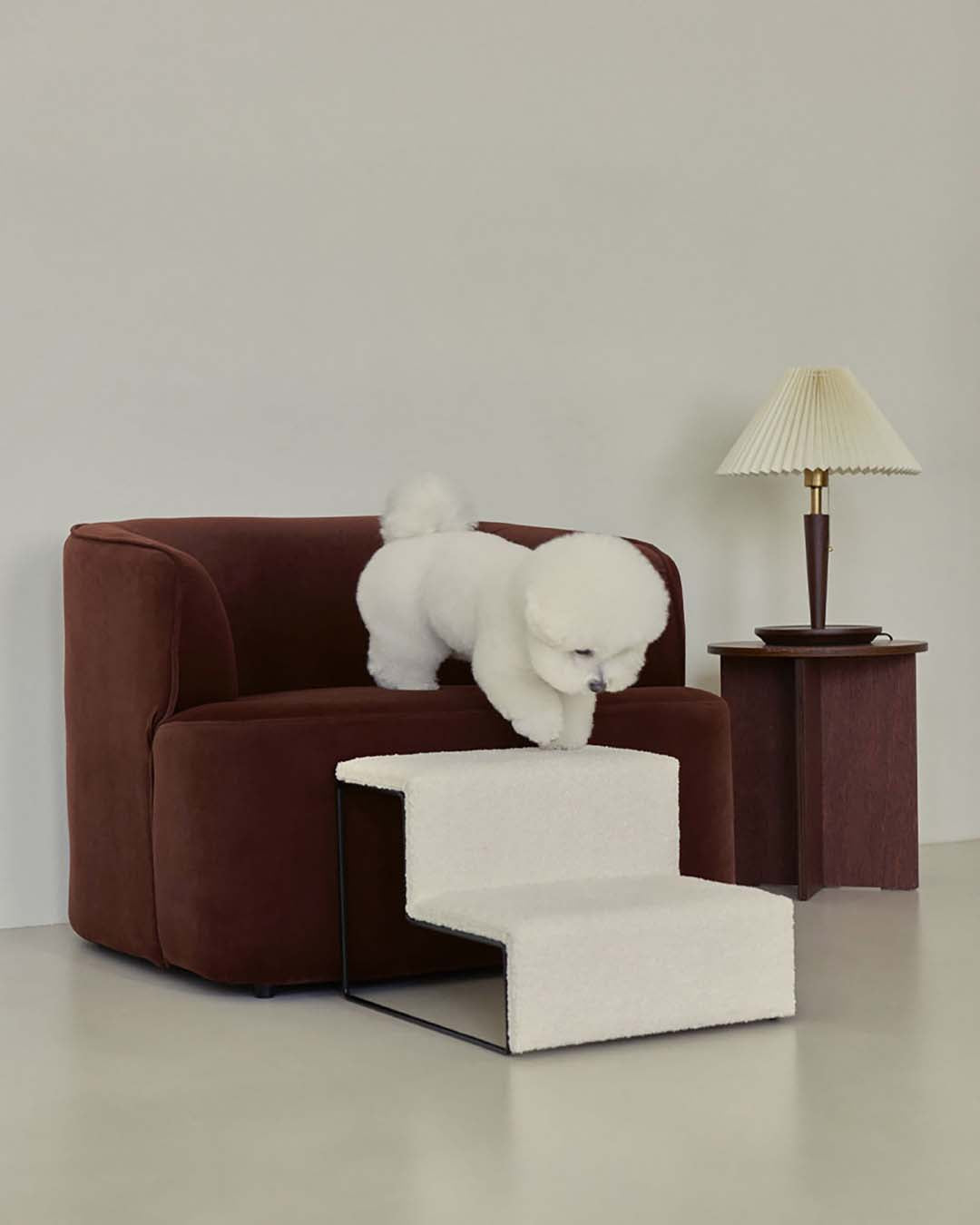
When it comes to helping dogs get on and off beds or sofas, one thing is clear: letting dogs jump without any support is the worst option.
That’s why many pet parents ask: Is a ramp or stairs better for dogs?
This guide focuses on small and medium dogs, and looks at:
- your dog’s body structure
- joint and mobility needs
- and real-life home environments
to help you make a practical, honest decision.
1. Why This Choice Matters

Small and medium dogs may look light and agile, but repeated jumping can place long-term stress on:
- knees
- hips
- spine
This is especially important if your dog:
- is a senior
- has early joint sensitivity
- uses the bed or sofa multiple times a day
- belongs to a breed with a long back
Before choosing between a ramp or stairs, remember:
some form of support is always better than none.
2. Dog Ramps: Pros and Cons
Ramps are physically ideal in theory, but not always the most realistic option for everyday homes.

Pros
- Gentle incline that minimizes joint impact
- Ideal for dogs with arthritis or post-surgery recovery
- Provides better spinal support for certain body types
Cons
- Requires more floor space
- Can be slippery if the surface or angle is not ideal
- Often difficult to blend into home interiors
- Many dogs hesitate to use ramps or avoid them altogether
3. Dog Stairs: Pros and Cons
The effectiveness of stairs depends less on appearance and more on proper proportions and stability.
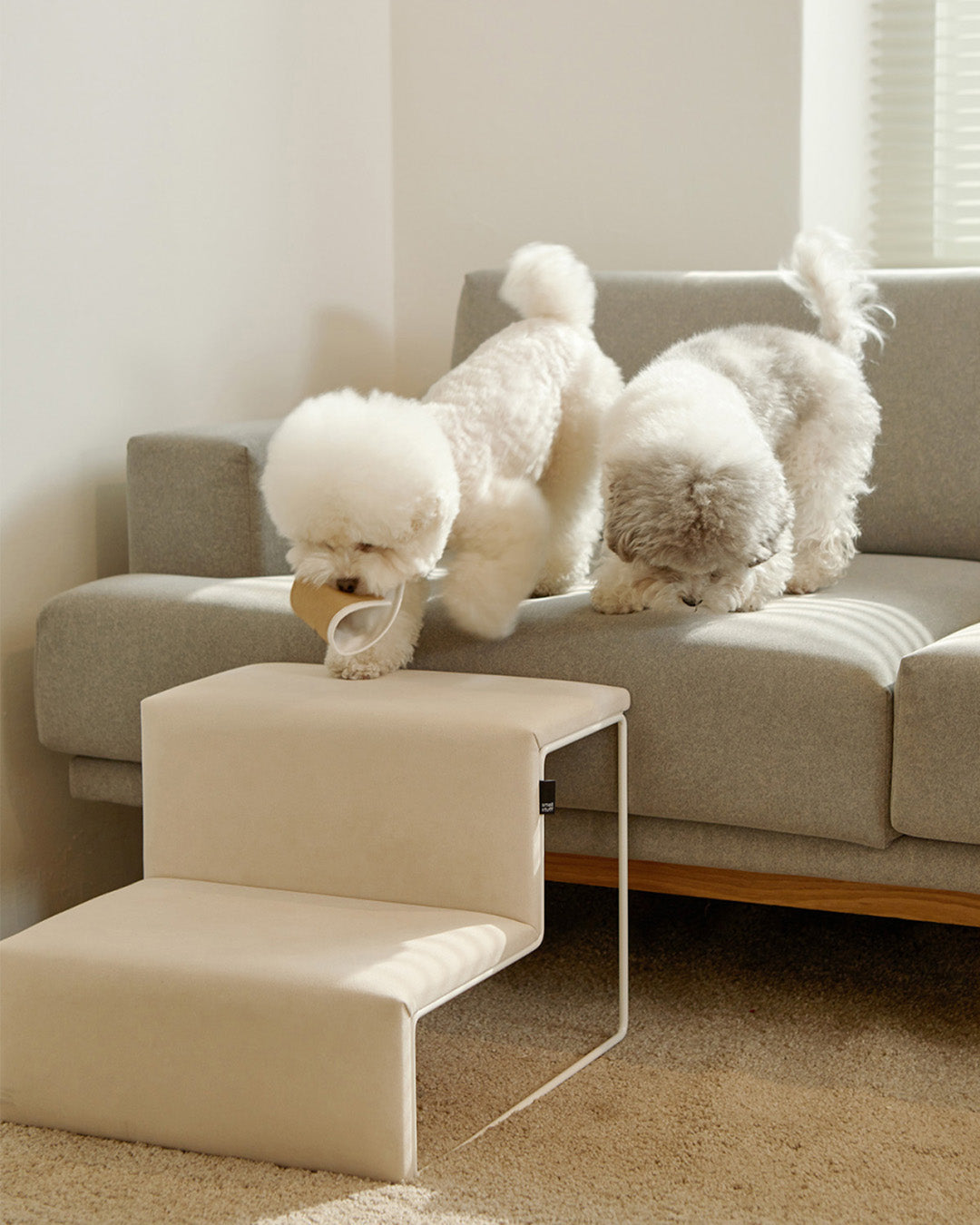
Pros
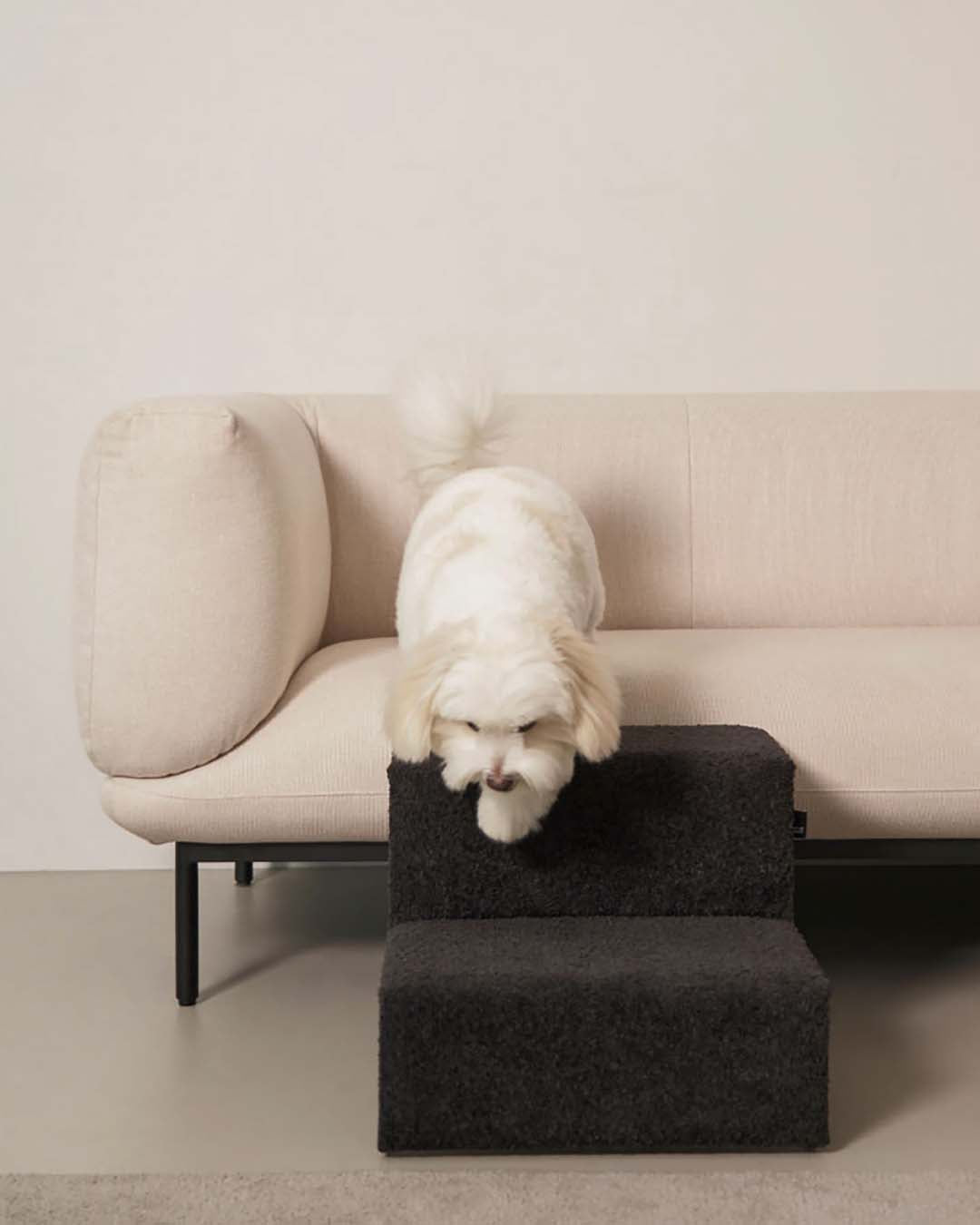
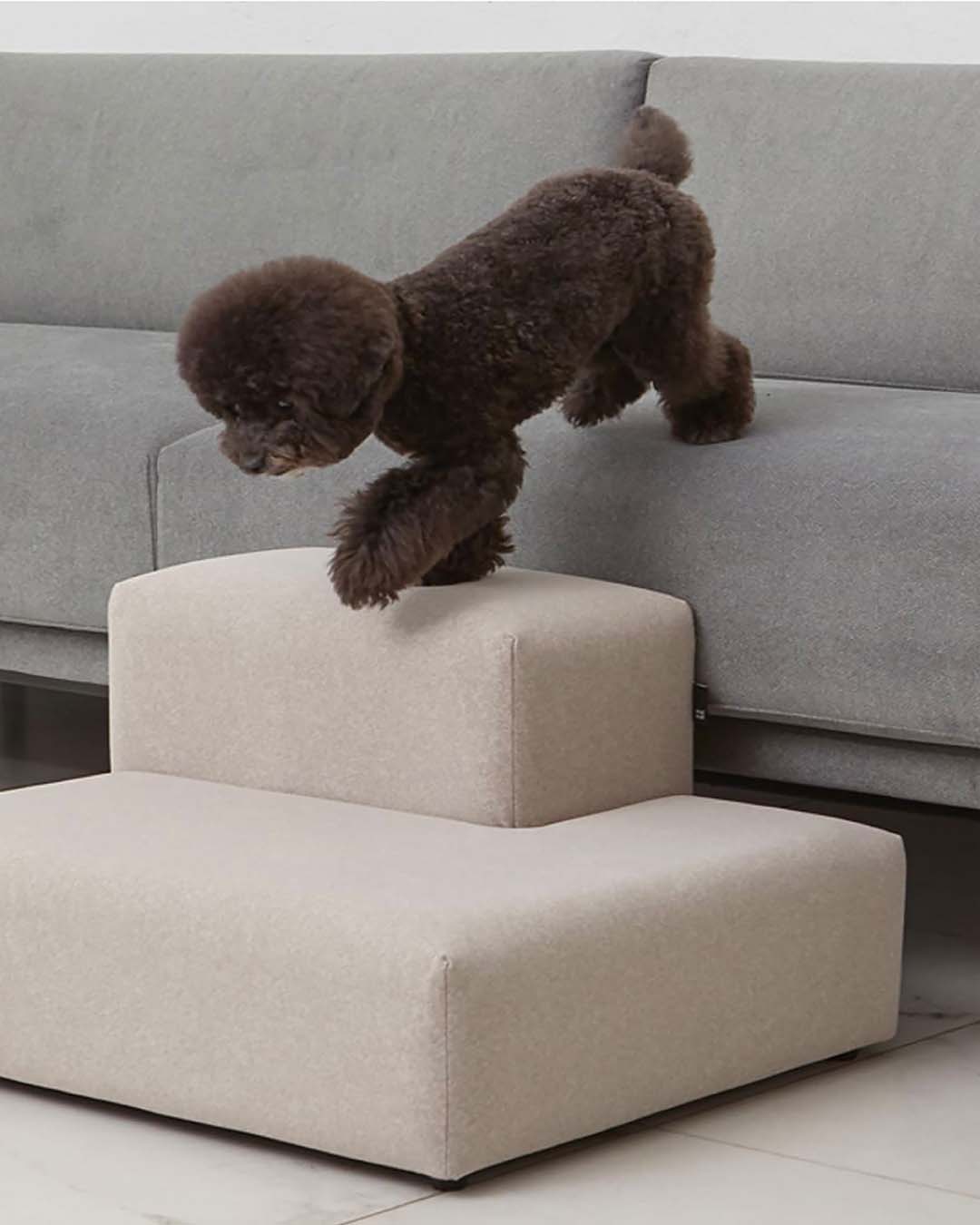
- Space-saving and easy to place near furniture
- Familiar movement pattern that dogs adapt to quickly
- Reduces repetitive jumping
- Works well for beds and sofas with fixed heights
- Easier to use consistently in daily life
Cons
- Step height and depth must match your dog’s size
- Not suitable for dogs with severe mobility limitations
- The effectiveness of stairs depends less on appearance and more on proper proportions and stability.
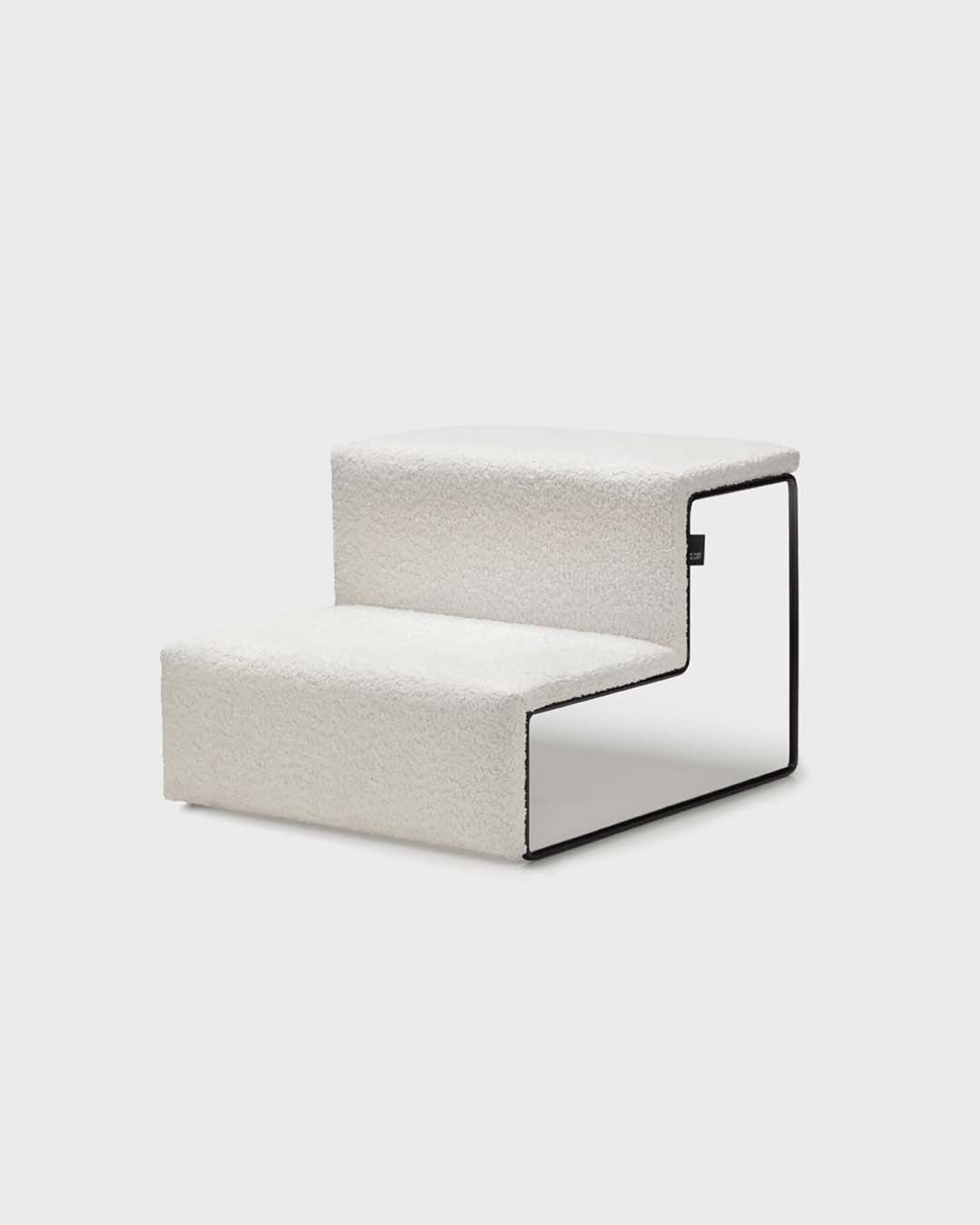
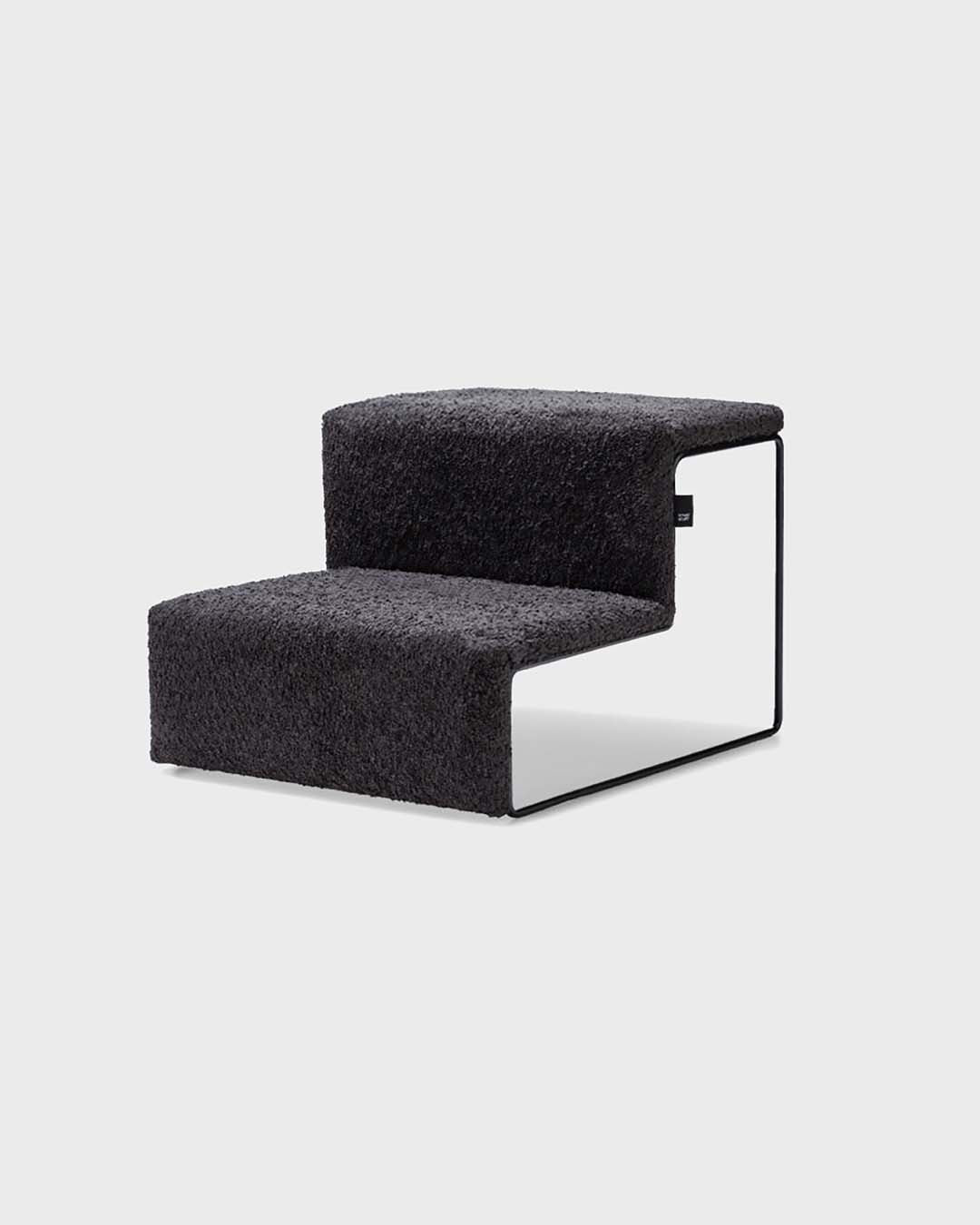
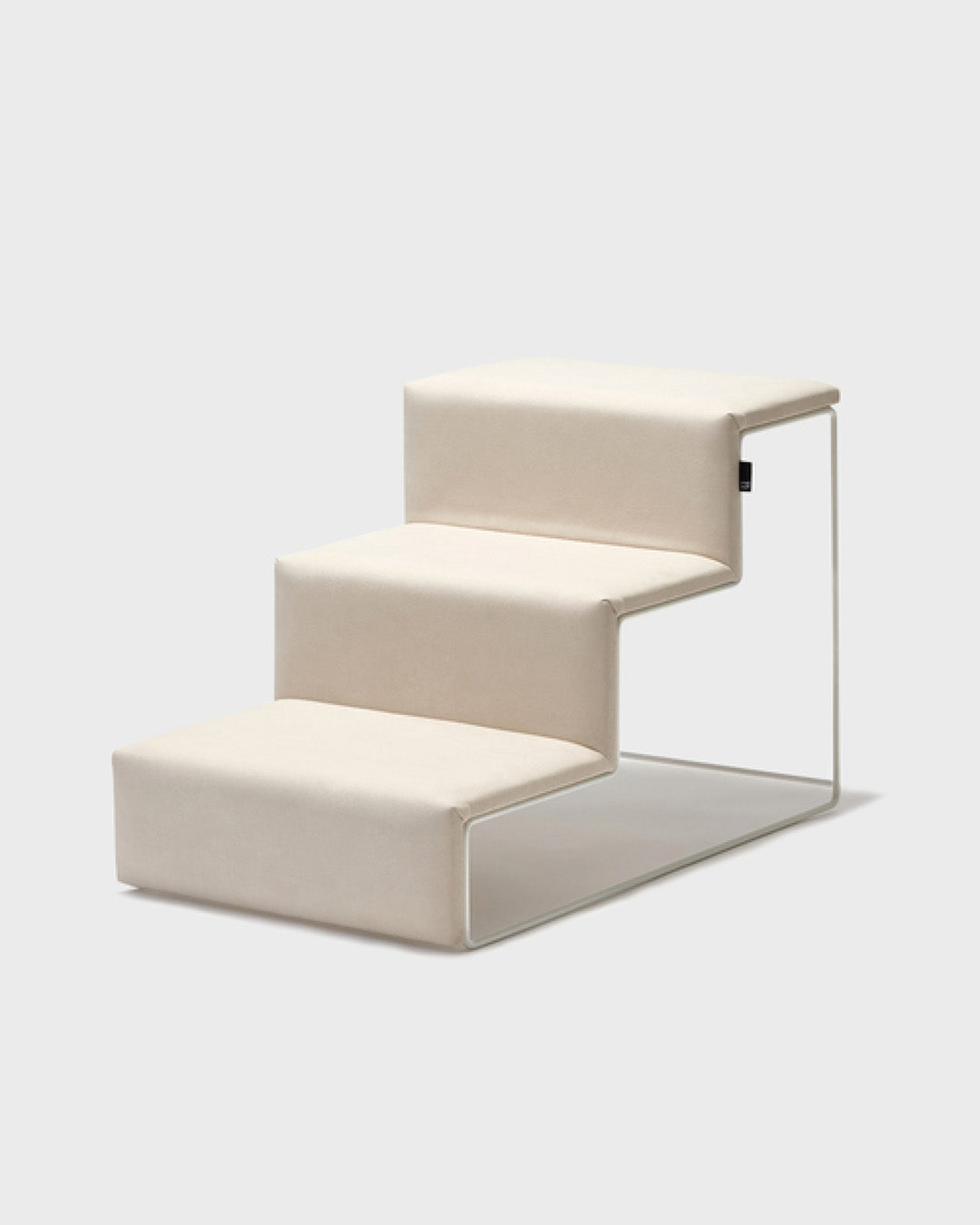
4. 2-Step vs 3-Step Dog Stairs
Choosing the right number of steps makes a real difference.
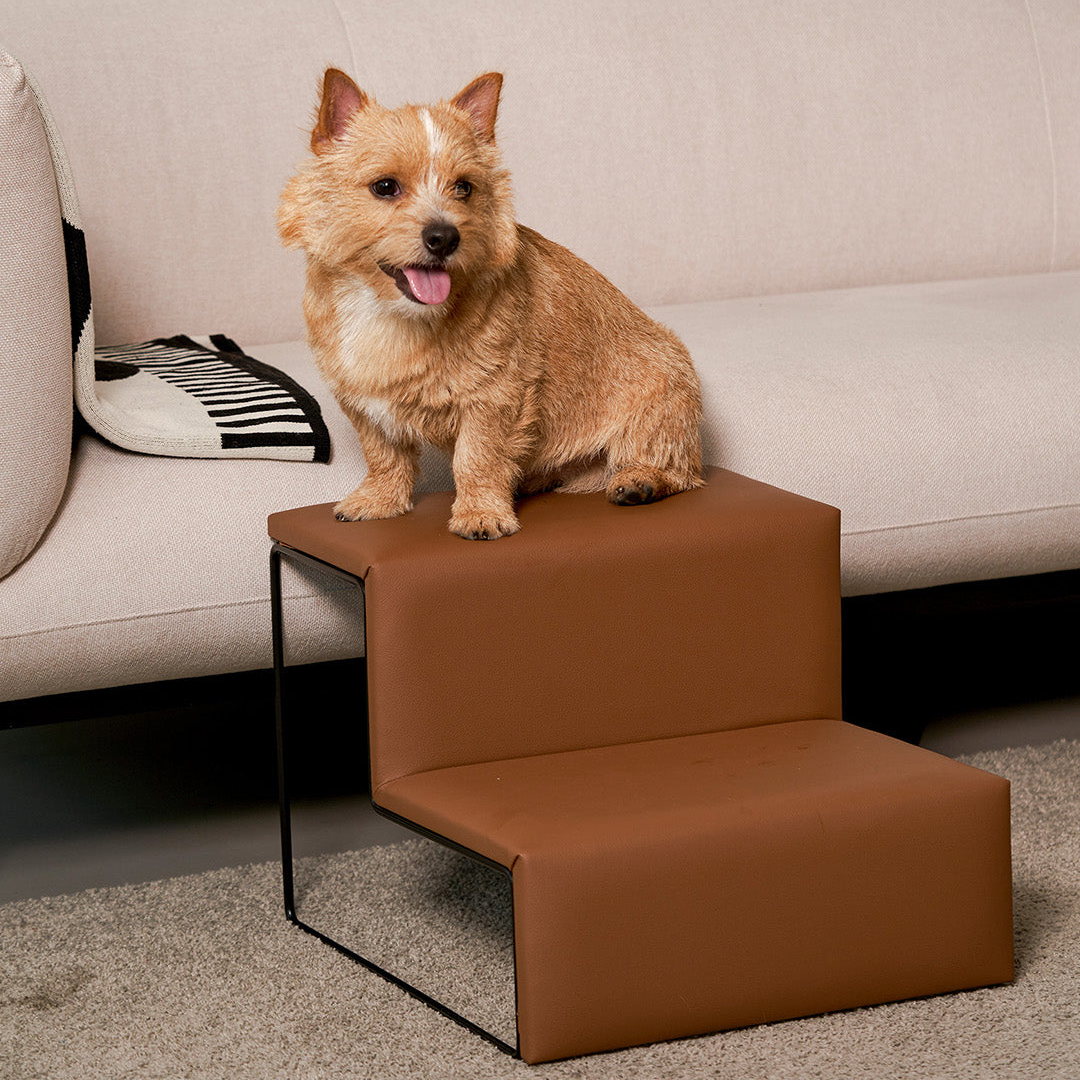
Best for:
- lower sofas
- small dogs or agile medium dogs
- living room use
- limited spaces
A practical choice for everyday use near couches.
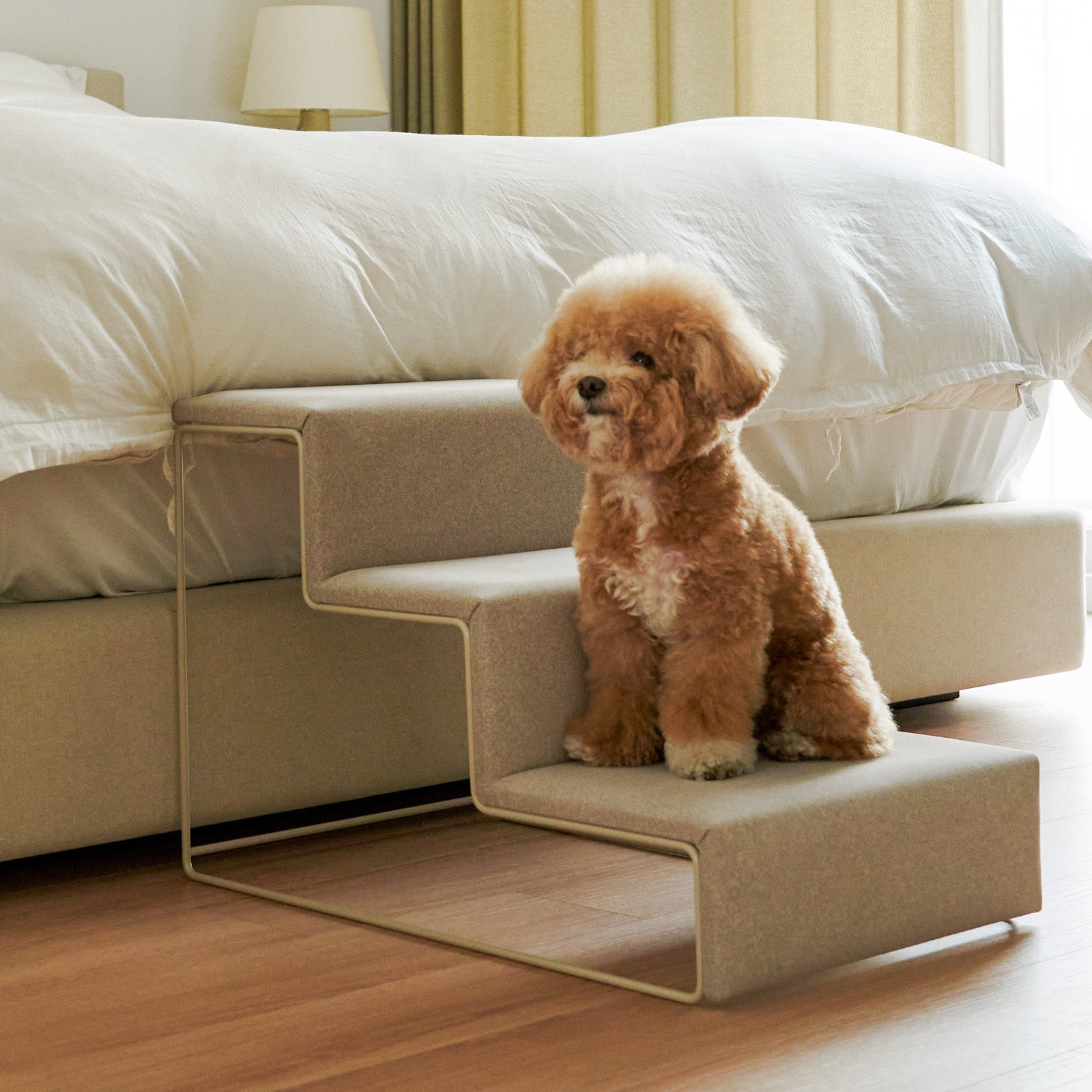
Best for:
- higher beds
- senior dogs
- dogs starting to avoid jumping
- nighttime bed access
Placing a 3-step stair near the bed can significantly reduce joint strain.
5. Breed Considerations: Ramp or Stairs?
Not all small and medium dogs benefit from the same solution.
Breeds Often Better Suited for Ramps
- Dachshunds
- Corgis
- Basset Hounds
Dogs with long backs place more stress on the spine.
For these breeds, ramps are often structurally safer, especially for higher surfaces.
Breeds That Adapt Well to Stairs
- Maltese
- Poodles
- Pomeranians
- Shih Tzus
- Bichons
For dogs without severe joint issues, stairs are often the most practical and sustainable choice.
6. So, Which Is Better?
There is no single right answer.
Choose a ramp if spinal protection or mobility support is the top priority
Choose stairs if daily use, space efficiency, and consistency matter most
What truly matters is whether your dog will use it every day.
A well-designed stair used consistently is better than a ramp that sits unused.
7. Final Thoughts
Ramps and stairs are not competitors.
They share the same goal:
reducing impact, protecting joints, and supporting your dog’s independence.
If stairs make more sense for your home and your dog,
choosing the right height, number of steps, and stable design matters most.