
To us, it's just a hop onto the couch. To your small dog, it's a high-impact leap that could lead to long-term health issues.

Is Jumping Bad for Dogs?
It is one of the most common questions we hear from small dog owners, so let's answer it directly. Is jumping bad for dogs? Not every jump, and not for every dog. A healthy adult dog hopping onto a low sofa once in a while is fine. The problem is the pattern: the same jump, several times a day, every day, often onto or off something taller than the dog itself.
And is it bad for small dogs to jump off beds in particular? Yes, and jumping down is the part to worry about. Going up, a dog pushes off with its strong back legs. Coming down, the whole landing goes through the front legs, shoulders, and neck, which are not built to absorb that kind of impact. For a dog that stands 10 inches at the shoulder, a 24 inch bed is more than twice its own height. Picture jumping off something taller than you are onto a hard floor, and then doing it again before bed, after breakfast, and every time the doorbell rings.
Here is why it matters more for small dogs than for large ones:
- Knees: toy and small breeds such as Yorkies, Pomeranians, and Chihuahuas are prone to a slipping kneecap (patellar luxation), and hard landings make it worse.
- Spines: long-backed breeds like Dachshunds, Corgis, and French Bulldogs have discs that are more fragile than average, and repeated jumping is a known trigger for disc injuries.
- Age: puppies are still growing until around a year old, and seniors already carry some joint wear, so both ends of life are the most vulnerable.
- Floors: hardwood and tile give nothing back on landing, and slippery surfaces turn a clean landing into a twist or a slide.
Why Jumping Is Riskier Than You Think
Small dogs may be agile, but their size means even a low sofa feels like a mountain. Over time, repeated jumping up and down can cause:
- Joint strain, especially in the elbows and knees
- Spinal stress, common in breeds like Dachshunds and Corgis
- Injuries from slips or awkward landings, even on soft floors
These risks increase with age, weight, or existing orthopedic conditions, making prevention just as important as treatment.
Early Signs You Shouldn't Ignore
You might notice your dog:
- Pauses before jumping down
- Hesitates to climb up
- Yelps after landing
- Prefers the floor, even when they used to love the sofa
These can all be signs that jumping has become uncomfortable or painful.

Step Up with Pet Steps
Pet steps allow small dogs to move comfortably and safely between levels. At Design for Pets, we offer stylish and practical options like:
- Dig Step: Minimalist, compact, and perfect for low sofas
- Dig Step 3: With an extra step for higher beds
- Extended Step: Wide bottom platform for easier multi-directional use
- Plump Step: Soft, plush, and fully washable cover, great for cozy spaces
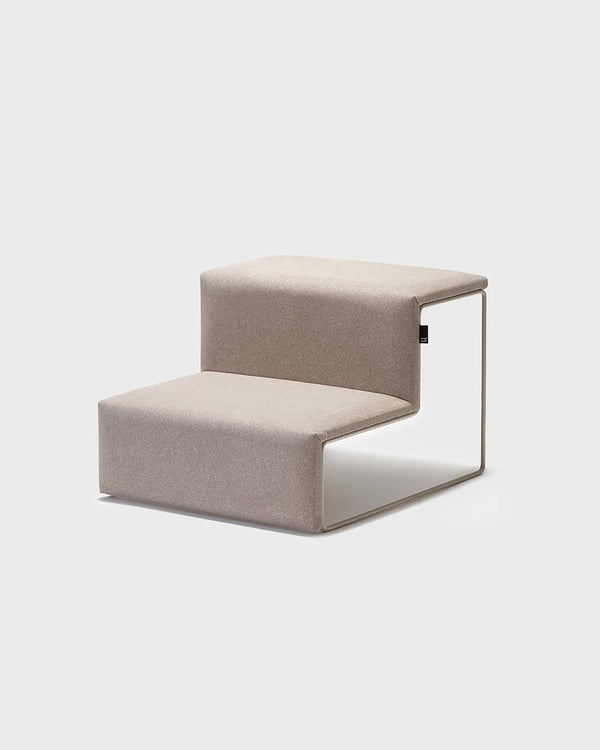
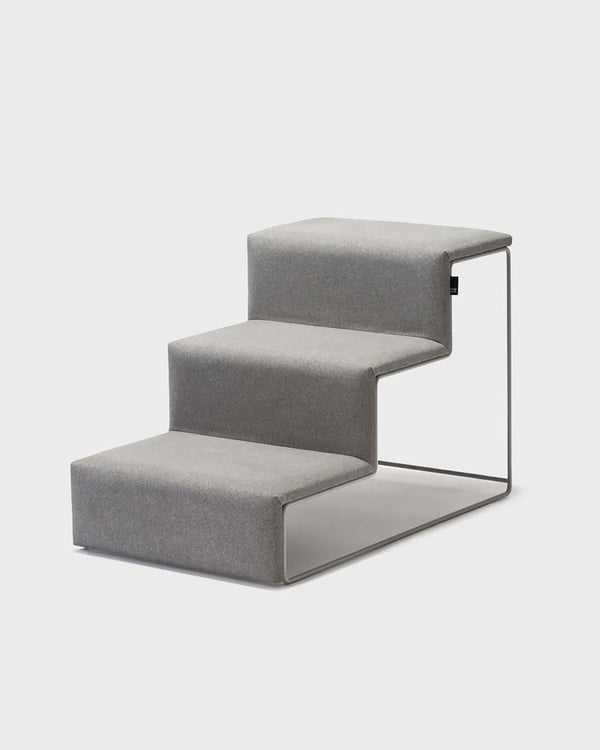

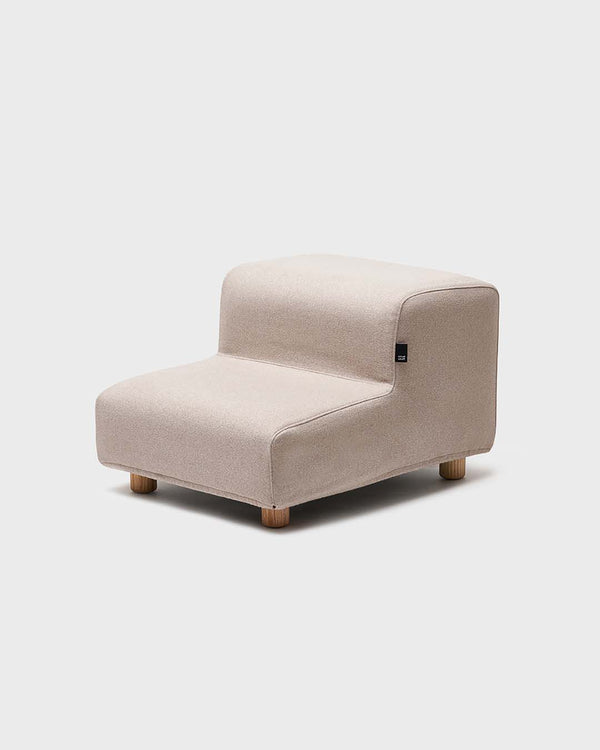
Explore the full Pet Step Collection.
Lower Beds, Less Impact
If your dog sleeps with you, consider pairing steps with a low-profile bed or placing a floor-level cushion nearby to make bedtime easier on their body.
Options like the Rest Bed or Sleep Bag offer:
- Firm yet cushioned support
- Soft, removable covers for comfort and hygiene
- Styles that blend into your living space beautifully
These aren't just beds, they're preventative care disguised as furniture.
Final Thoughts
We often don't think twice about a dog jumping up to greet us or following us onto the couch. But for small dogs, these actions take a toll. A few adjustments now, like adding a step or swapping a bed, can prevent years of discomfort later.
Your dog may not show pain easily. That's why it's up to us to read the signs and give them the support they need.
One jump is nothing. The same jump every day for years is the problem. If it is taller than your dog, give them a step, and let their joints age at the pace they were meant to.
Frequently Asked Questions
Not every jump is a problem. A healthy adult dog hopping onto a low sofa now and then is fine. The risk comes from repetition, height relative to the dog's size, and hard landings, and it rises sharply for small breeds, puppies, seniors, and breeds prone to back or knee problems.
Jumping down is harder on a small dog than jumping up. The landing sends the whole impact through the front legs and shoulders, and a standard bed can be two to three times a small dog's height. Done several times a day for years, that adds up to joint and spine wear. Steps or a ramp remove the impact without changing the habit.
A useful rule is anything taller than the dog itself, measured at the shoulder. For most small breeds that means sofas and beds are already over the line, especially when the landing surface is a hard or slippery floor.
Yes, when they are placed where the dog already jumps and the dog is taught to use them. Steps turn one big leap into a few small ones, which spreads the load across all four legs. Choose a step whose top tier sits close to the furniture height and whose treads are wide enough for the dog to turn around.
Read more
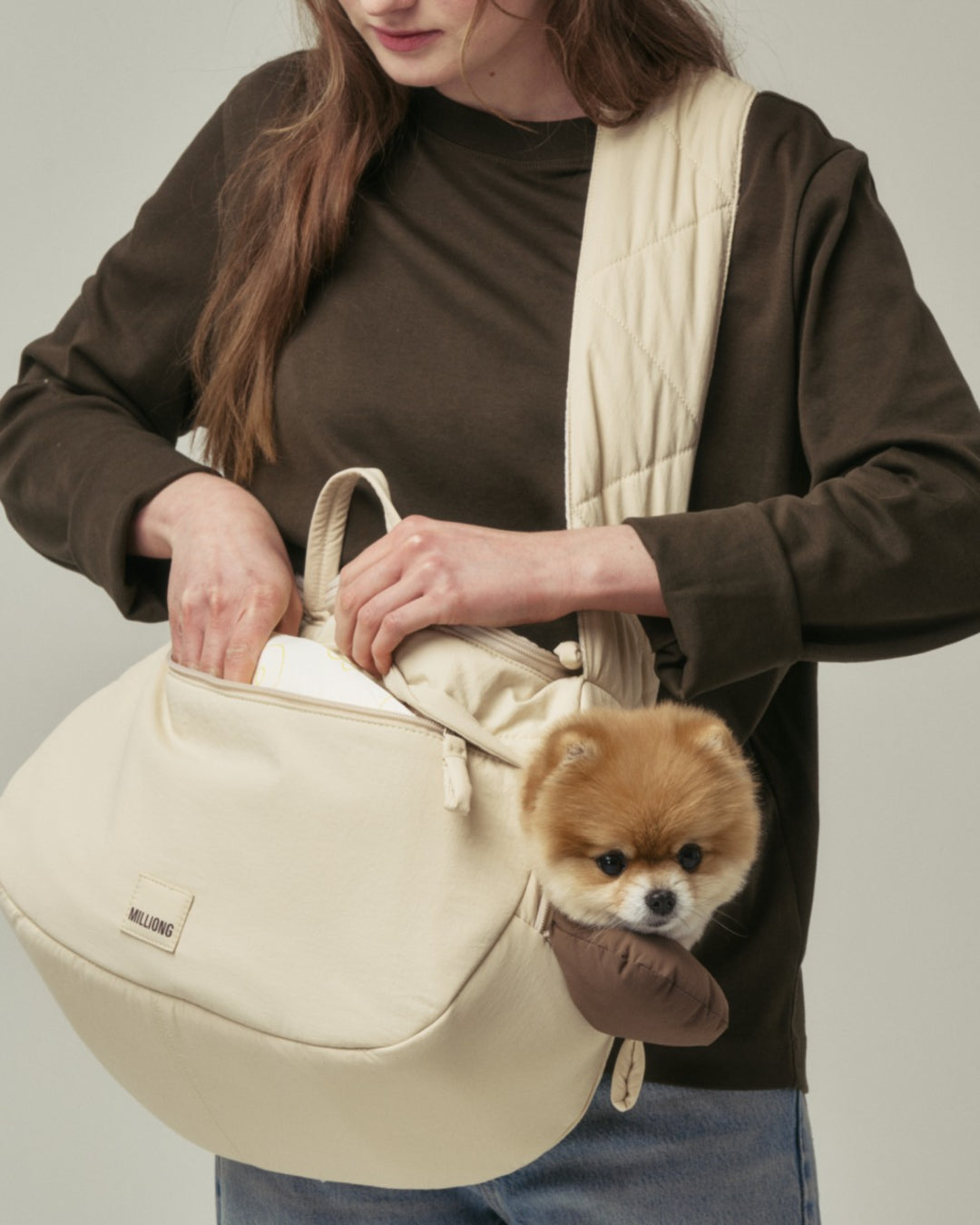
Not all pet carriers are created equal—and not every pet feels calm inside one. Whether you’re heading to the vet or flying across the country, the right carrier can make all the difference in your...
Living with pets brings immense joy, but you might find yourself worrying about scratches on your furniture. It’s a common dilemma, but with the right approach, you can have both a beautiful home a...