Bringing a new dog home is one of the best feelings in the world — and one of the most overwhelming. The first few days are a blur of excitement, logistics, and at least one moment of quiet panic where you think: am I doing this right?
The honest answer is that most of the "right" decisions in the first month aren't dramatic. They're small, repeatable things — a consistent feeding spot, a quiet place to sleep, a walk that follows the same route. Dogs don't need perfection. They need predictability.
This guide covers the patterns worth paying attention to in the first 30 days, and five products that make the transition easier for both of you.
Why the First 30 Days Matter Most
Behaviorists call it the 3-3-3 rule. The first three days, your dog is decompressing — overwhelmed, disoriented, often shutting down or acting out. The first three weeks, they're learning the rhythms of your home. By three months, they've settled into who they actually are.
That first month is the window where habits form, trust builds, and the foundation of your daily routine gets laid. It's also the period where most new dog owners make avoidable mistakes — not because they don't care, but because no one told them what to expect.
The most common misstep: doing too much too soon. Too many visitors, too much freedom in the house, too many new experiences stacked on top of each other. Dogs need time to decompress before they can start learning — and most of them need more time than we expect.
The Signs Most People Miss
A new dog who seems "fine" in the first week isn't always fine. They might be in shutdown mode — calm on the surface, but internally overwhelmed. Here's what to watch for:
Your dog may sleep a lot, avoid eye contact, or seem unusually calm. This isn't them being "easy" — it's decompression. Let them observe and adjust without forcing interaction.
As comfort grows, so does boundary-testing. Chewing, barking, counter-surfing, or ignoring commands they seemed to know before. This is normal — they're figuring out the rules of your home.
By the end of month one, you start seeing their actual personality. The quirks, the preferences, the habits that will stick. This is when your routine starts to feel like a routine — not a survival strategy.
5 Things That Make the Transition Easier
Each one addresses a different part of the first 30 days — from the first night to the first real walk.

Fable — Signature Crate
Give them a space that's theirsThe first thing a new dog needs is a place that's theirs — somewhere enclosed, quiet, and predictable. Fable's Signature Crate is made from premium bentwood with a gate that slides discreetly into the unit, so it doubles as a side table when the door is open. NYT Wirecutter's best furniture crate of 2025.
Shop Fable →
Ollie — Fresh Dog Food
Get nutrition right from day oneA new dog's stomach is already under stress from the transition. Ollie delivers fresh, human-grade meals tailored to your dog's breed, age, and weight — pre-portioned and ready to serve. The consistency of scheduled, high-quality meals helps regulate digestion and sets the tone for a stable feeding routine.
Explore Ollie →
Native Pet — Probiotic Powder
Support their gut through the transitionNew environment, new water, new food — a dog's digestive system takes the hit first. Native Pet's Probiotic is a tasteless powder you sprinkle on meals to support gut health during the adjustment period. It's vet-formulated, made with organic ingredients, and easy enough to use that it actually becomes part of the routine.
Shop Native Pet →
Wagwear — Harness + Leash
Make the first walks countThe first walks with a new dog aren't about exercise — they're about trust. Short, predictable routes where your dog learns to check in with you, read the leash, and start feeling safe outside. Wagwear's harnesses are built for city walking — secure fit, clean design, and hardware that doesn't snag or rattle.
Browse Wagwear →
Design for Pets — Dig Step
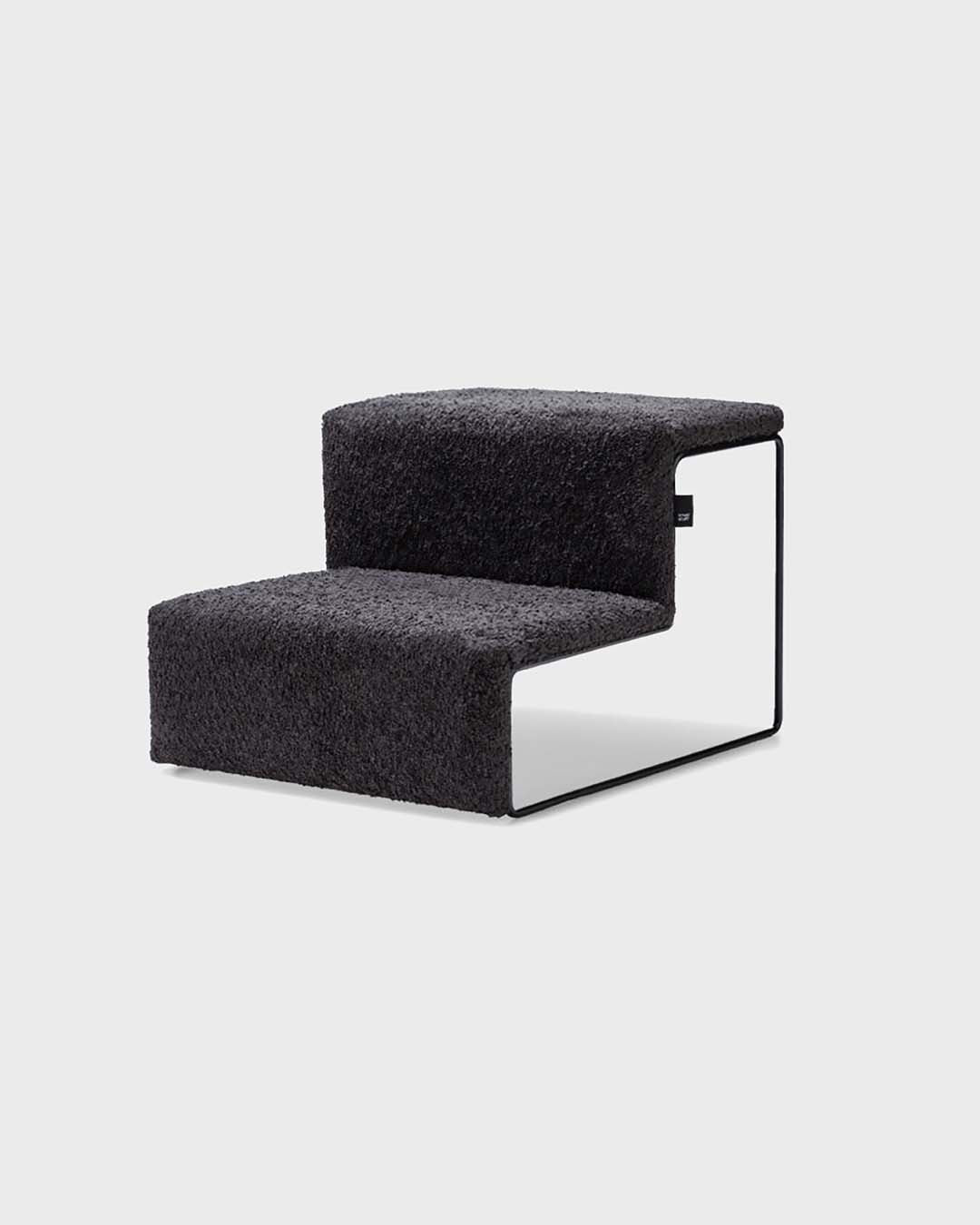
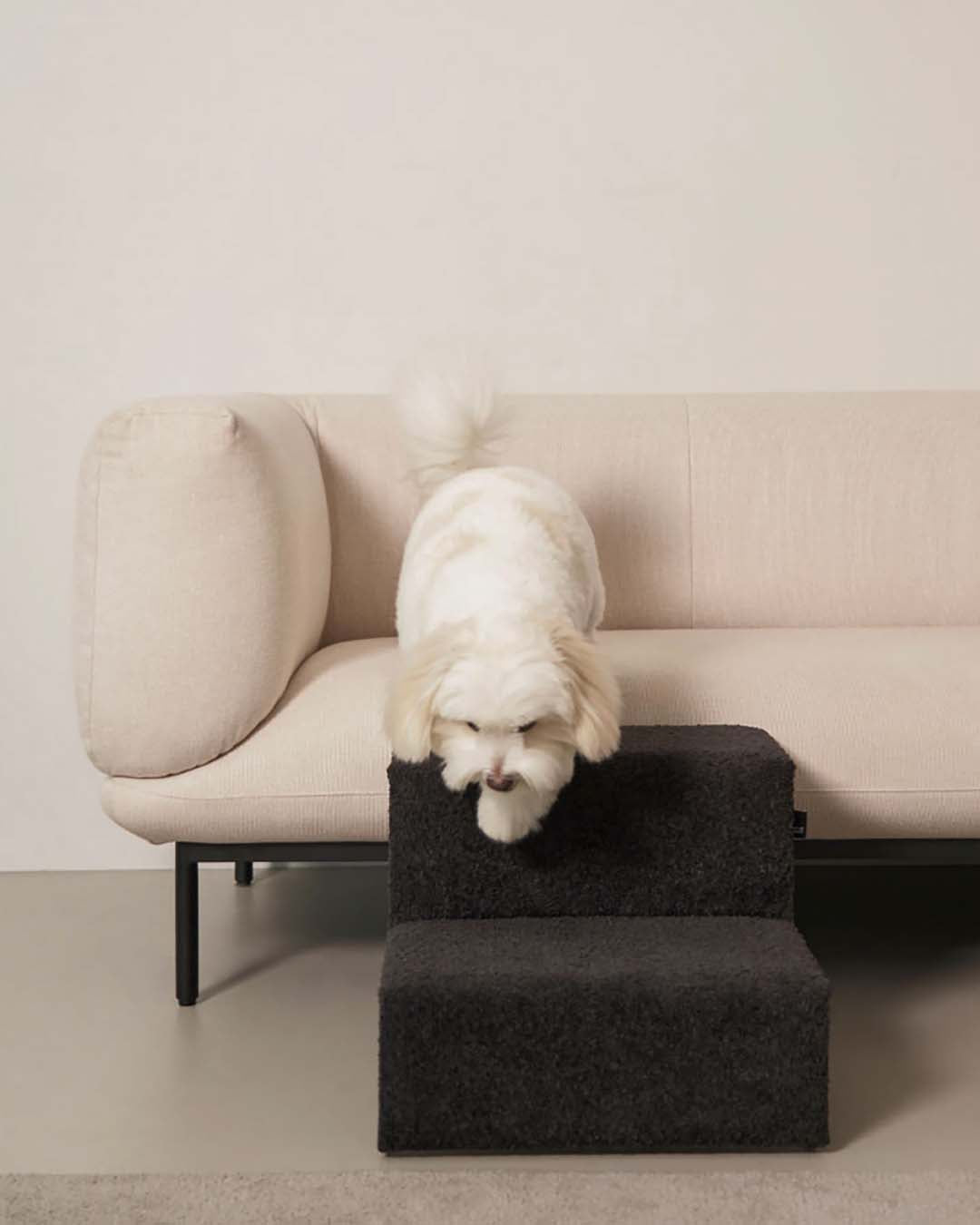
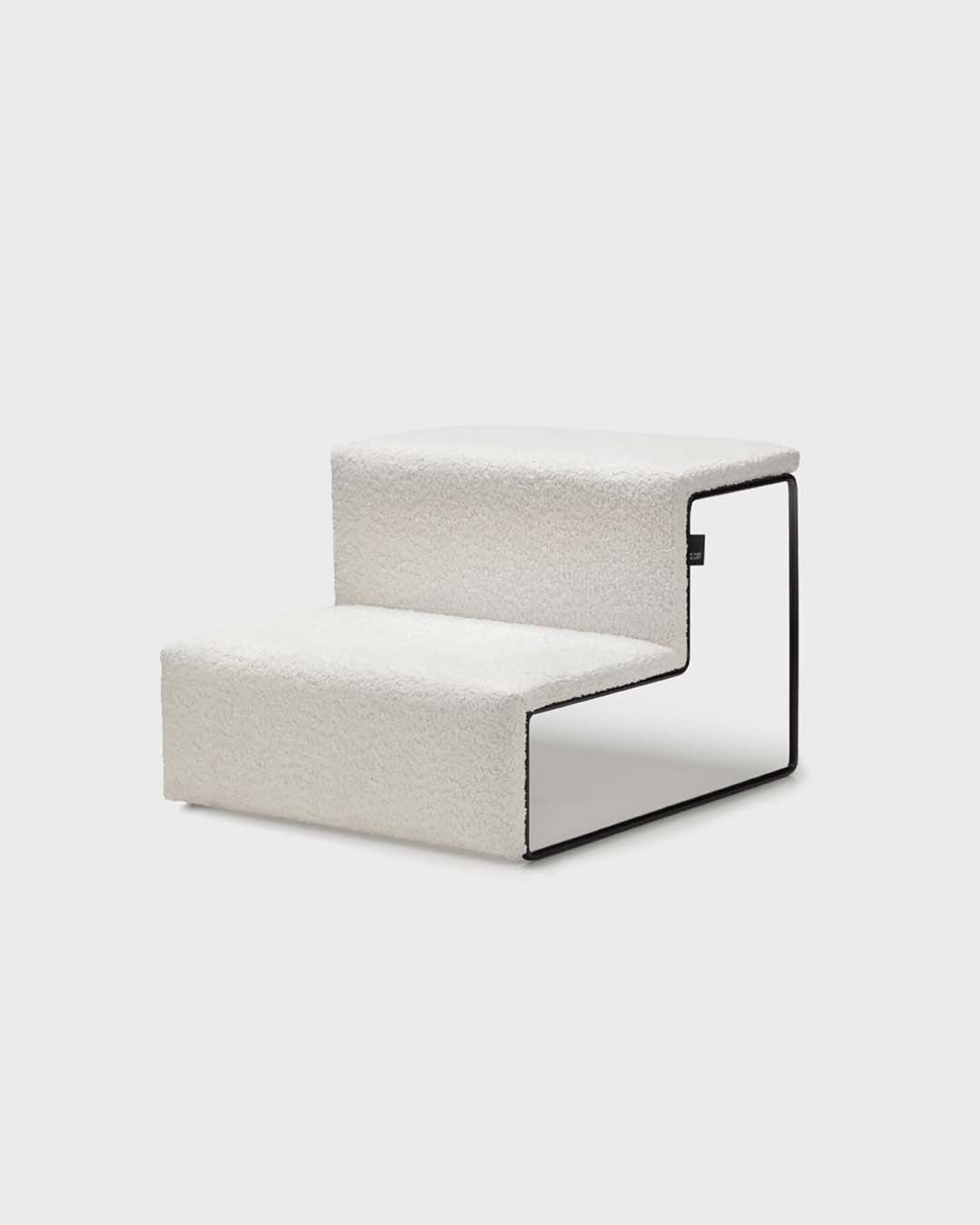
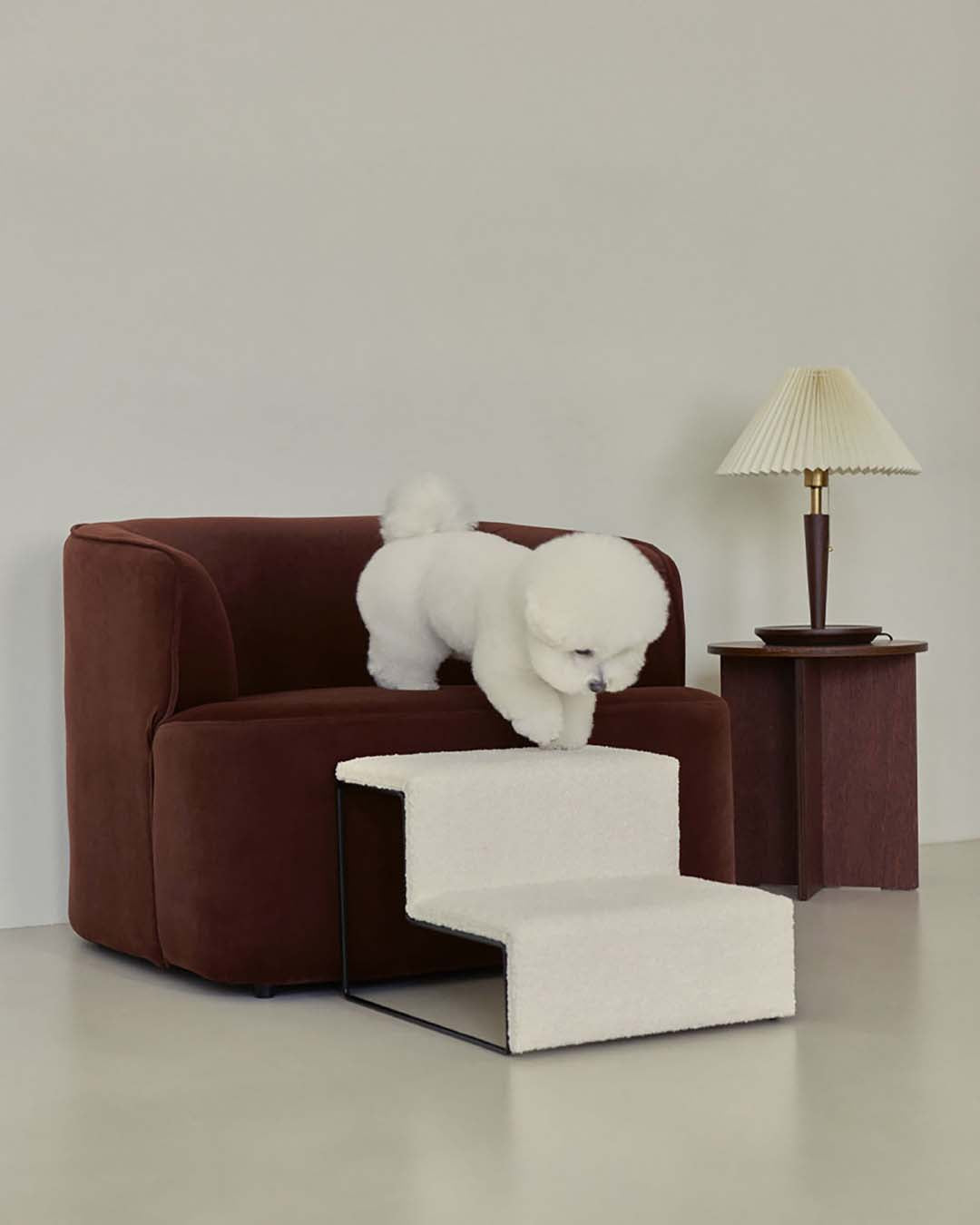
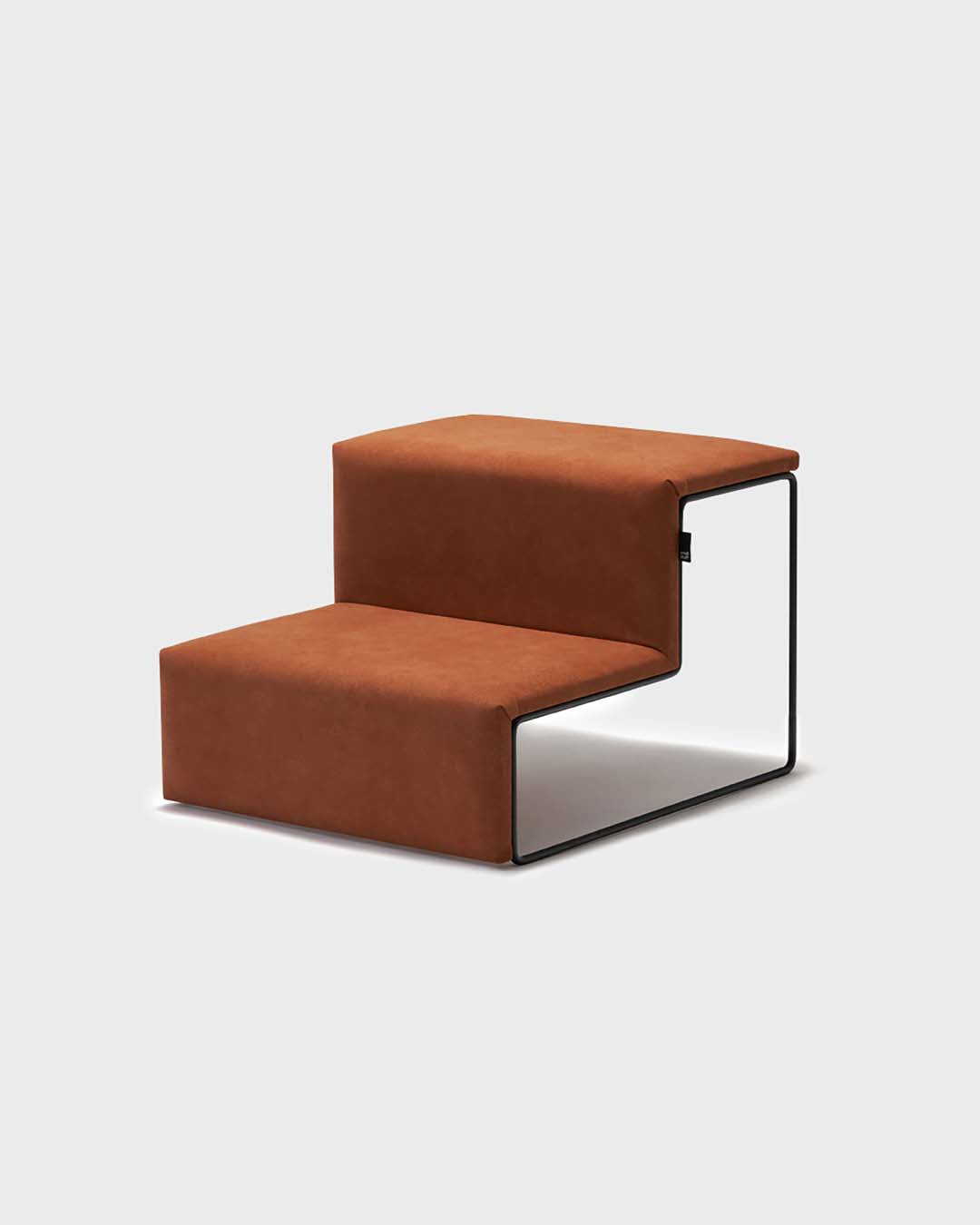
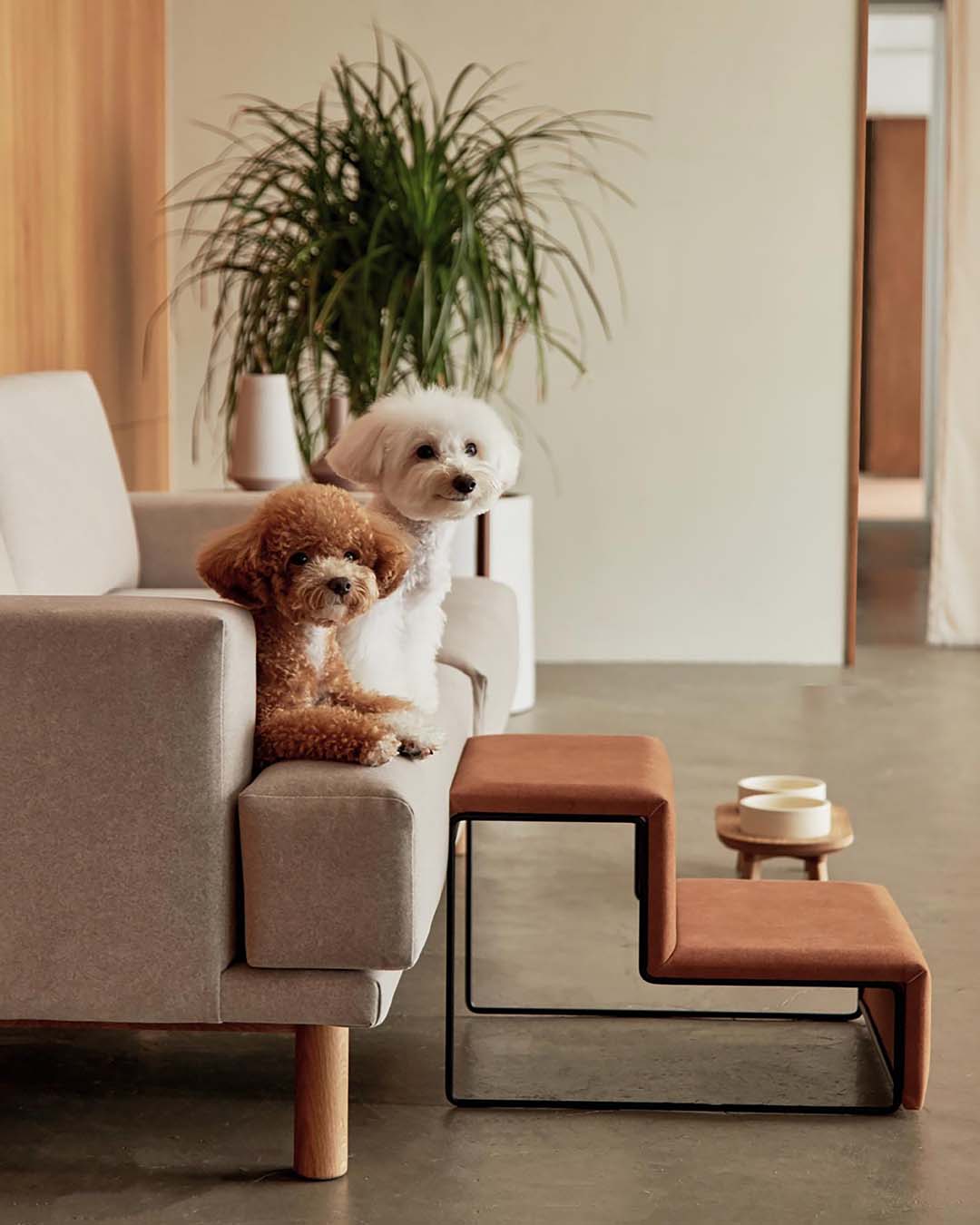
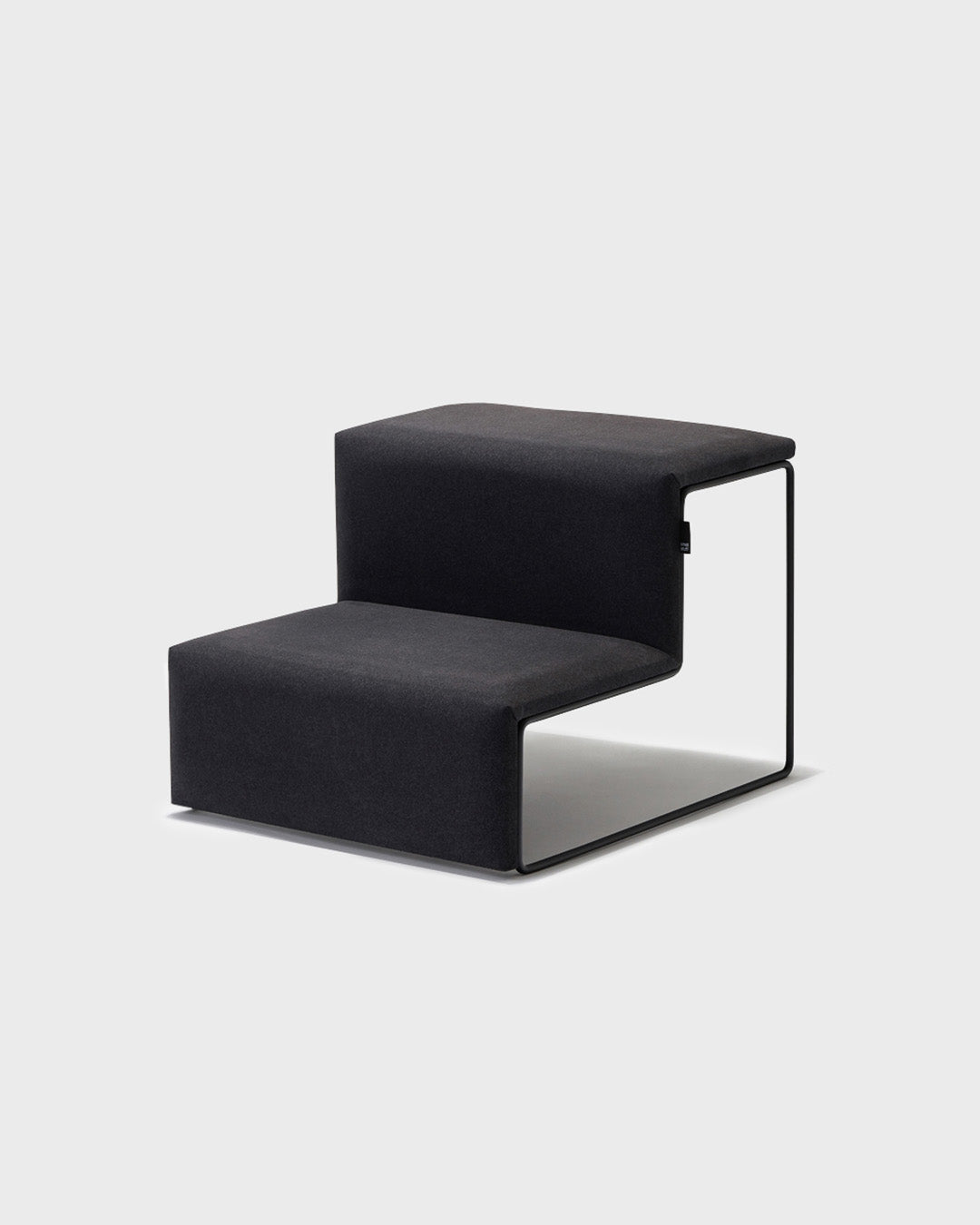
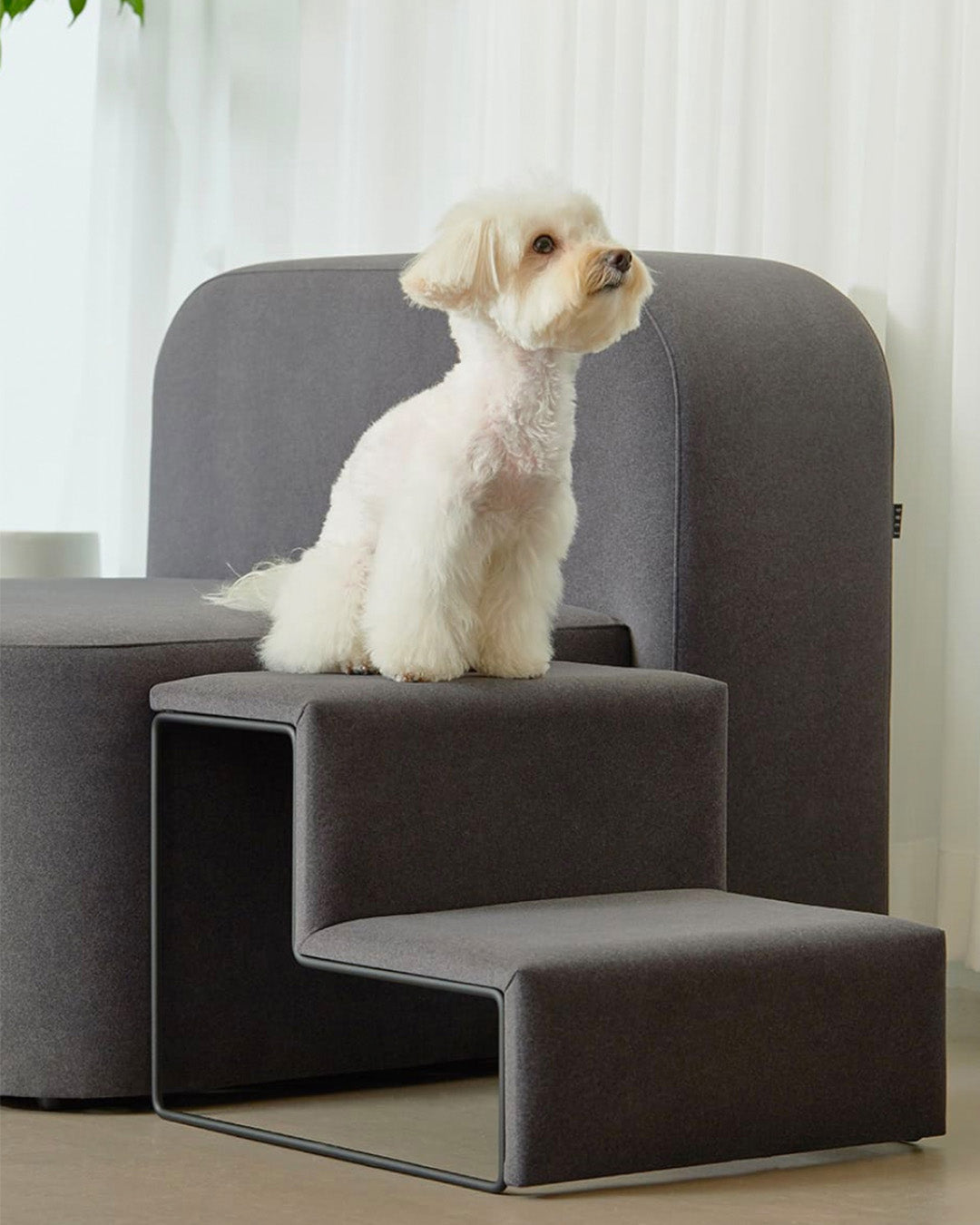
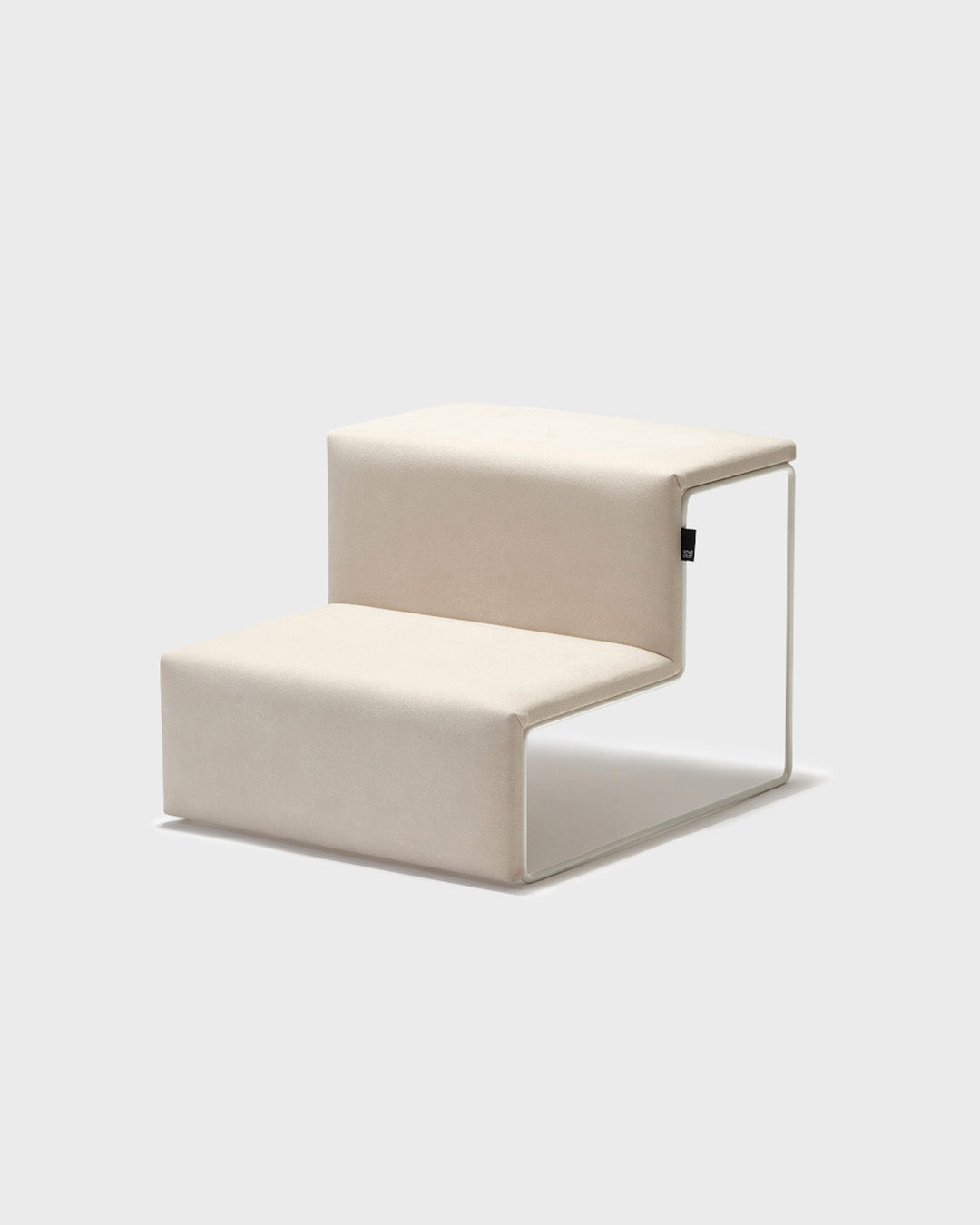
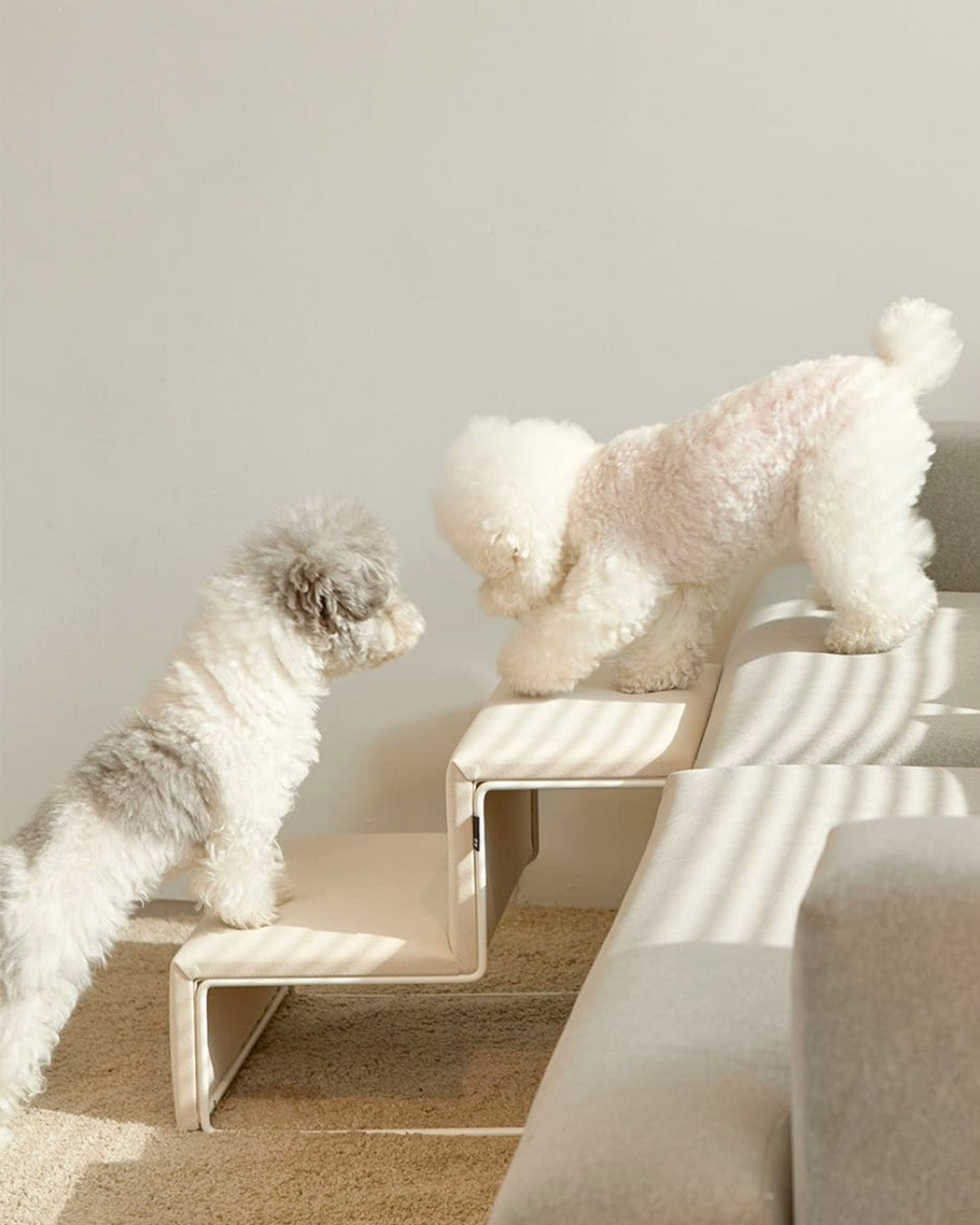
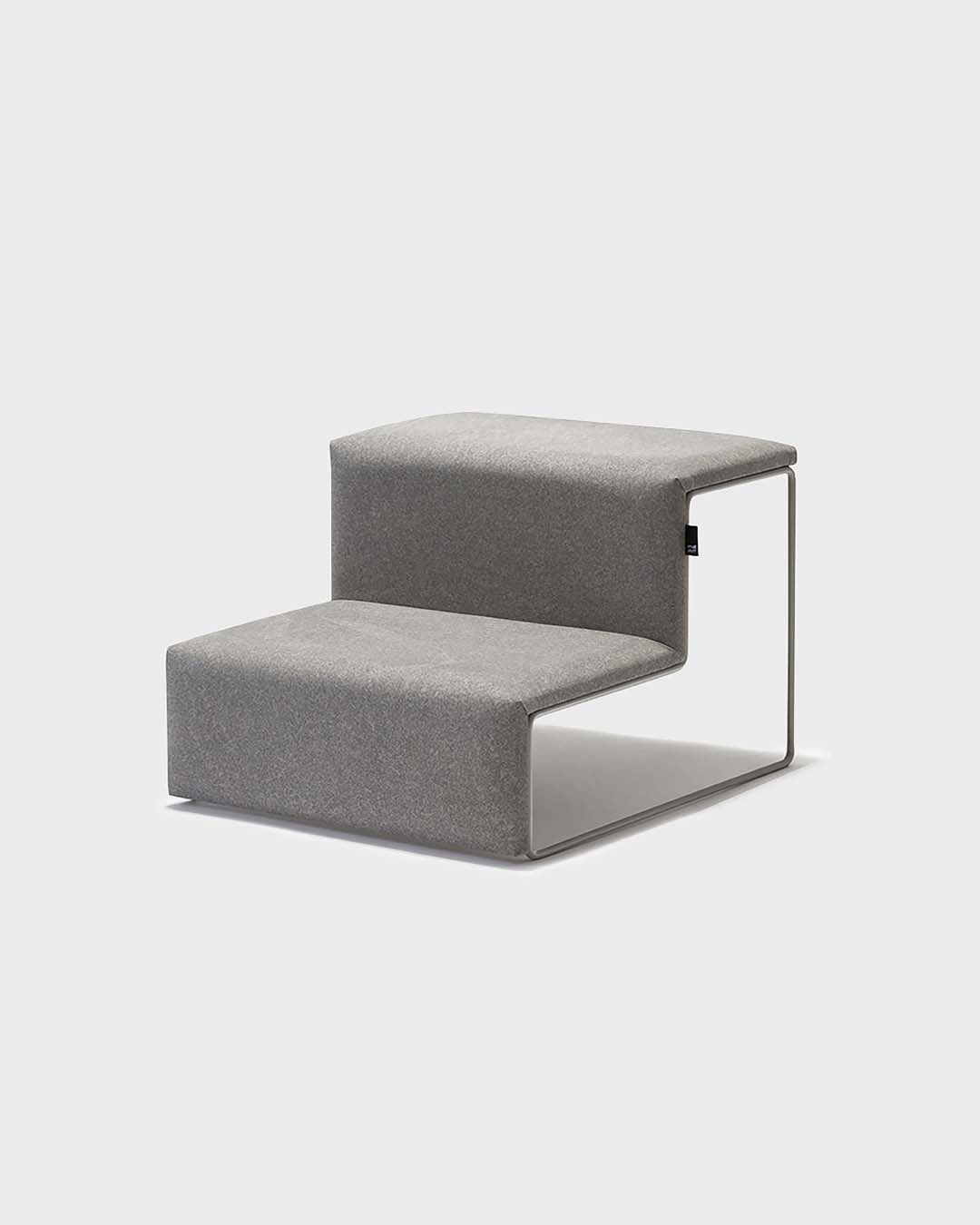
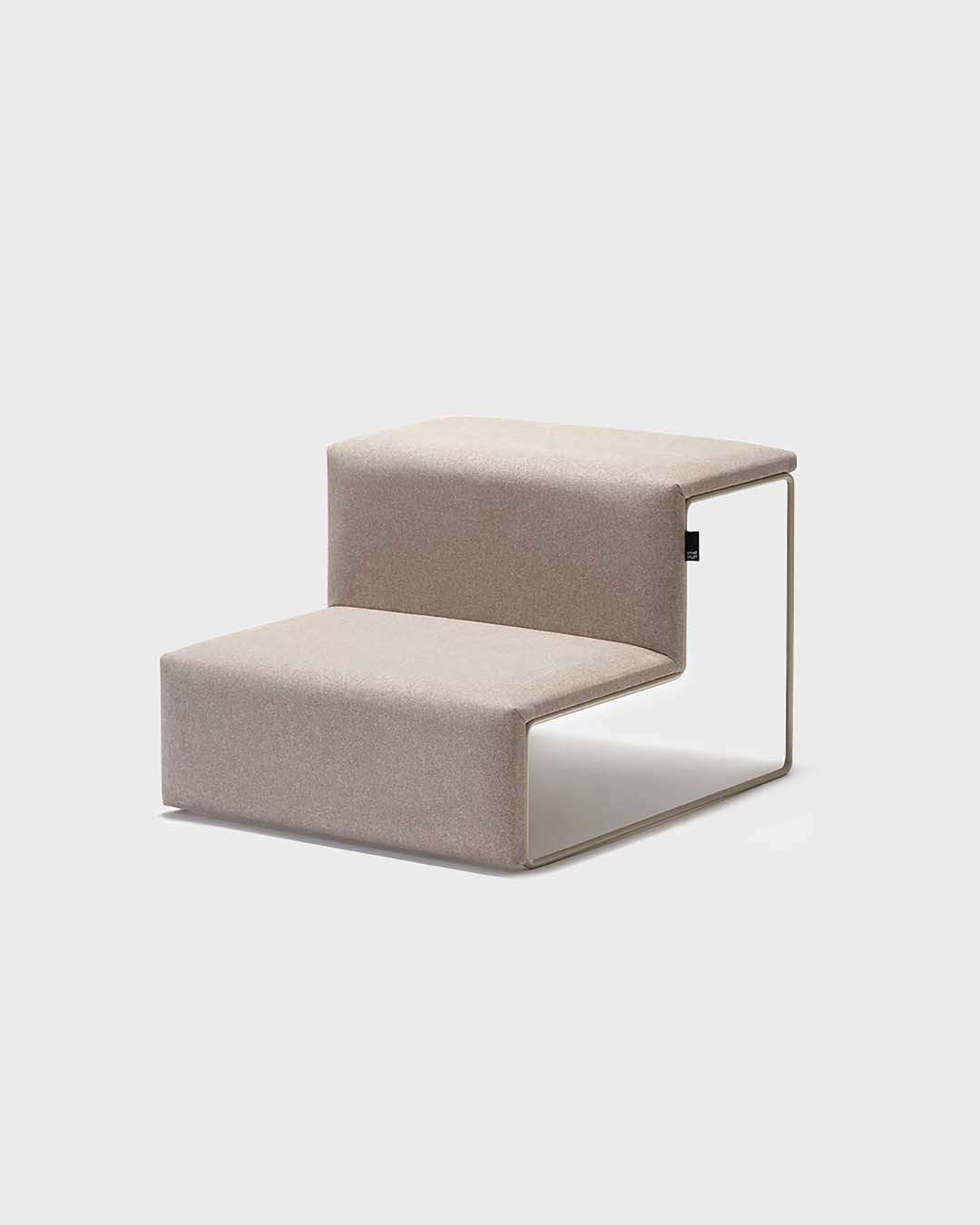
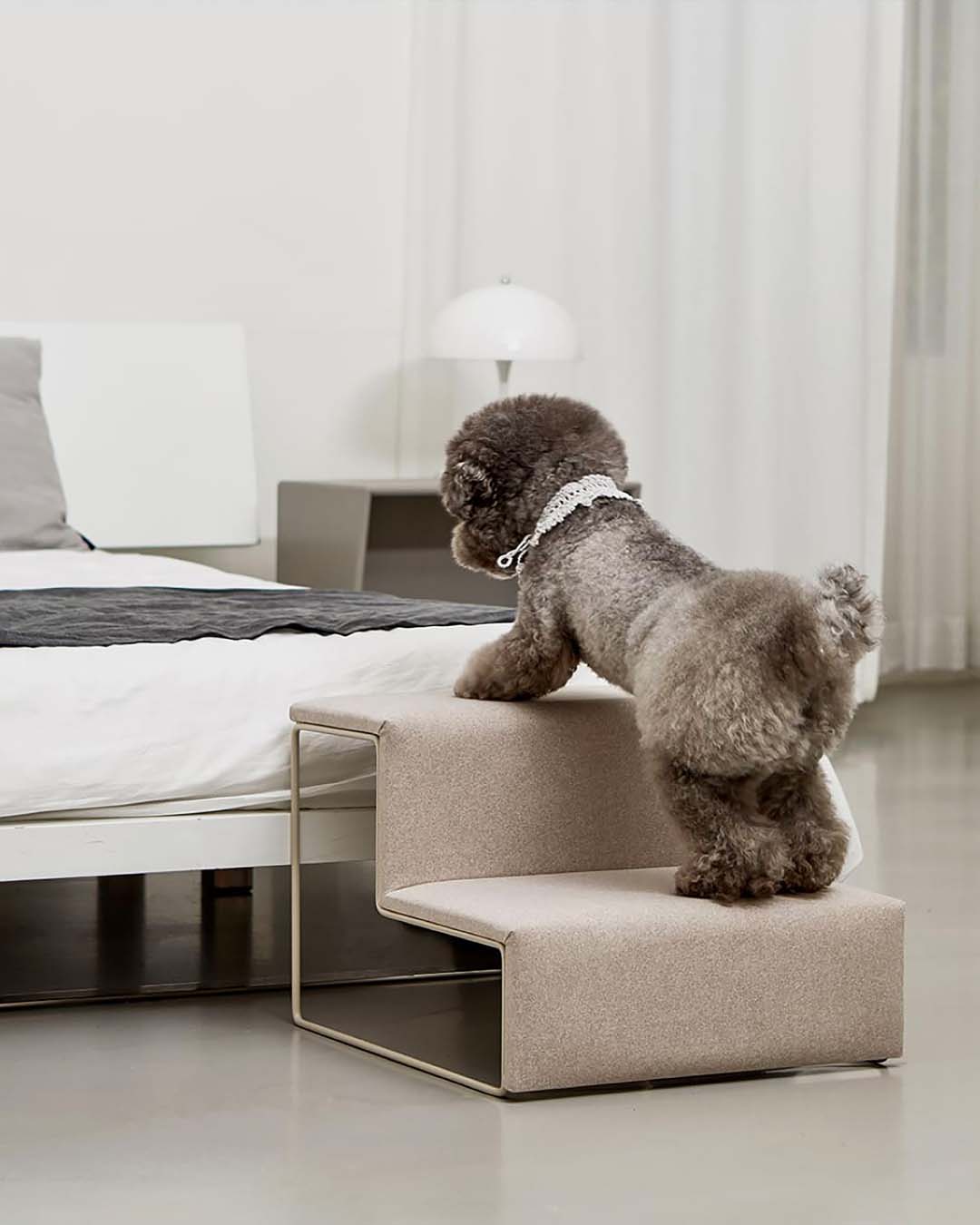
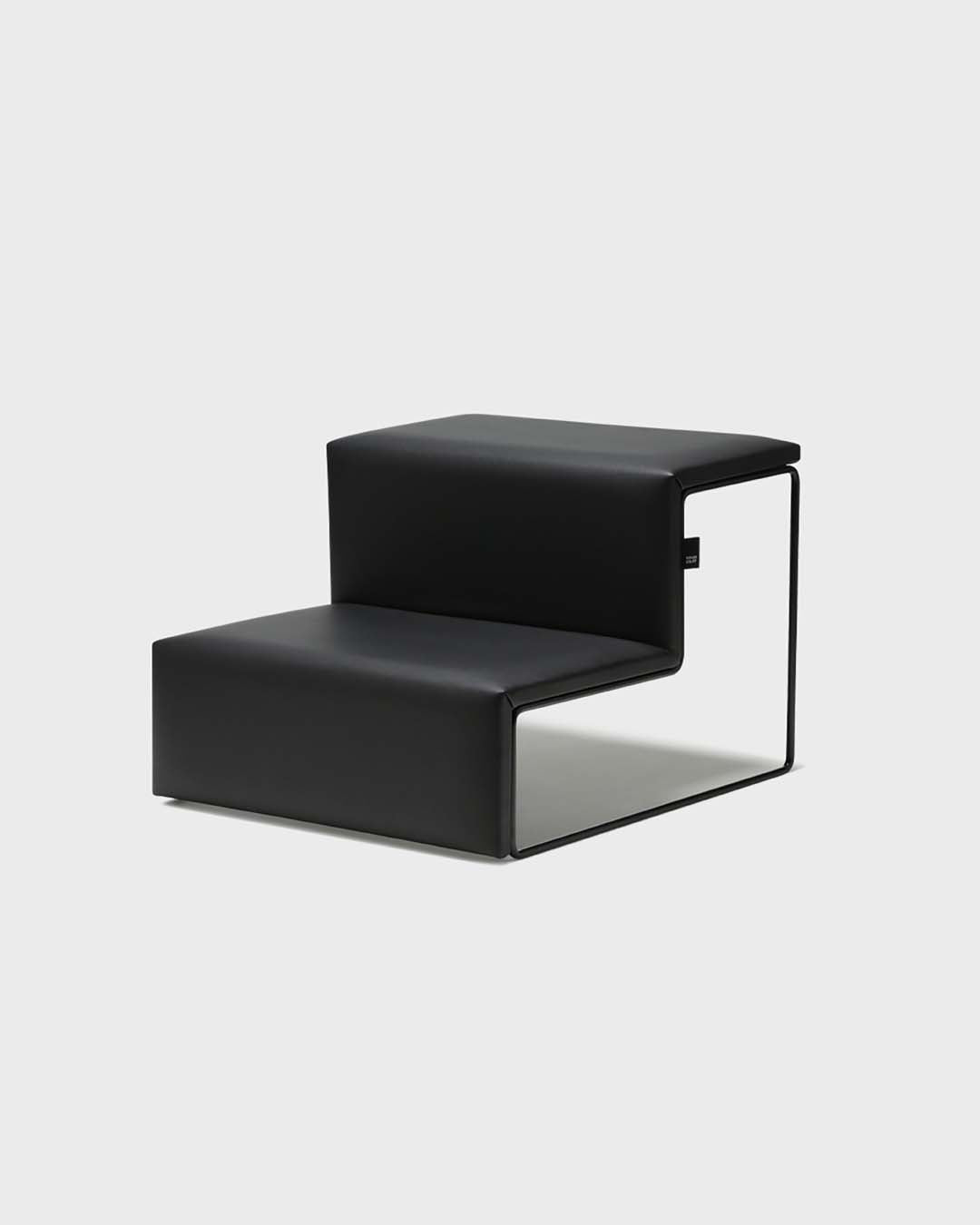
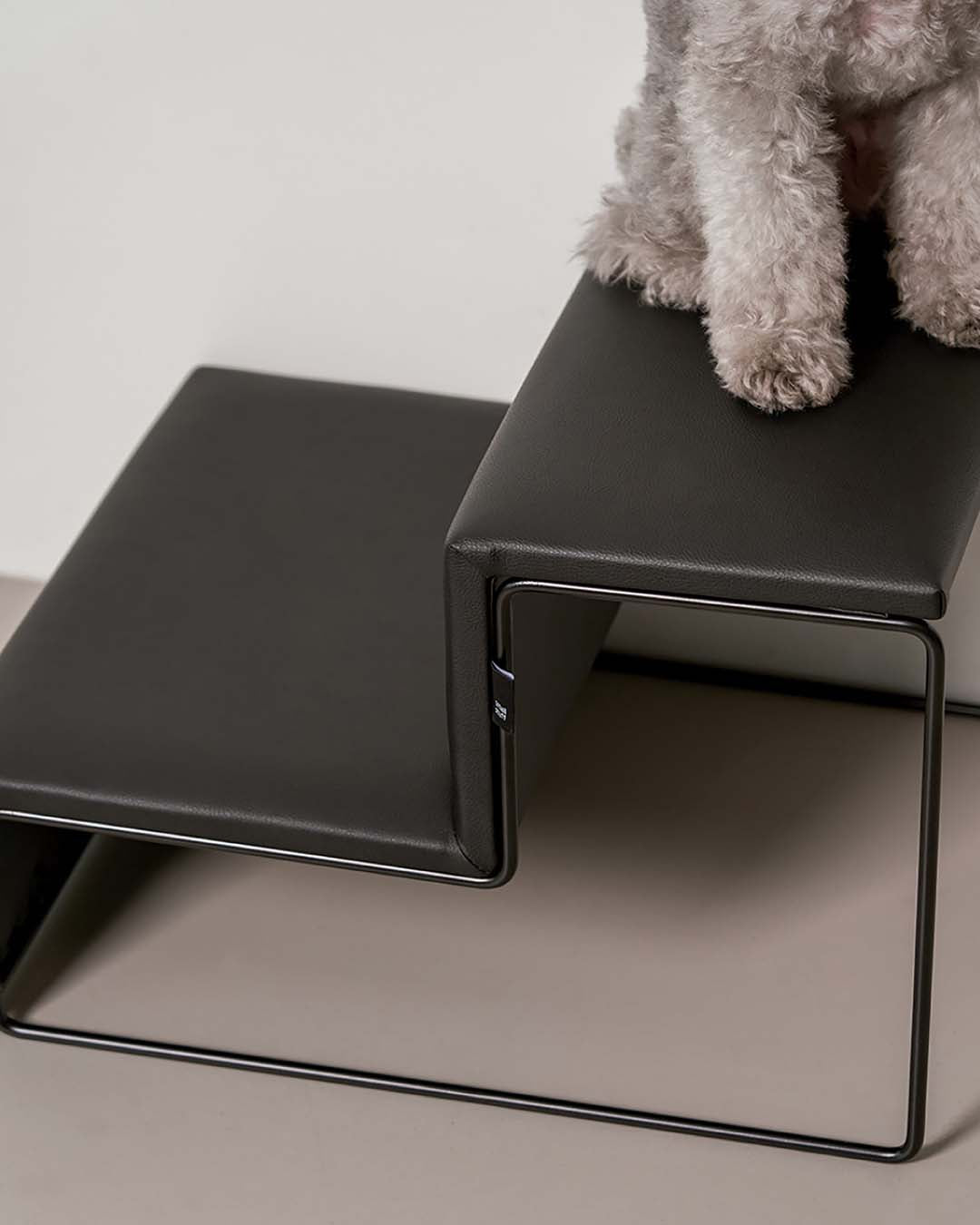
Help them navigate your home safelyNew dogs — especially puppies, small breeds, or rescues who've never lived in a home — often struggle with furniture they're expected to get on and off of. The Dig Step gives them a reliable, low-impact way to reach the sofa or bed without jumping. The rounded form and textured surface feel secure underfoot, and the shape sits quietly beside your furniture without looking like a pet product.
Shop the Dig Step →The first 30 days aren't about getting everything perfect. They're about getting a few things consistent — a safe space, a reliable routine, and the kind of small, thoughtful details that tell your dog: this is home now.
Frequently Asked Questions
Most behaviorists use the "3-3-3 rule": 3 days to decompress, 3 weeks to learn your routine, 3 months to feel fully at home. Every dog is different, but the first 30 days are when the foundation is set.
Yes, but gently. Introduce the crate as a positive space — not a punishment. Leave the door open at first, add a blanket or bed inside, and let your dog explore it on their own terms. Most dogs begin choosing the crate voluntarily within the first week.
Stick with whatever the shelter or breeder was feeding for the first few days to avoid digestive upset, then transition gradually to your chosen food over 7–10 days. Fresh, whole-ingredient food tends to settle sensitive stomachs better than heavily processed kibble.
Short, low-pressure walks can begin in the first few days — even 10 minutes around the block helps your dog start mapping their new neighborhood. Avoid dog parks and high-stimulation environments for at least the first two weeks.
Not always, but a probiotic can help stabilize digestion during the transition period, and a calming supplement can ease anxiety in the first few weeks. Consult your vet before adding anything new to their routine.