One Cat Creates the Rhythm
— A Second Cat Changes the System
A one-cat home quietly organizes itself around one rhythm. One nap spot becomes the default. One route through the room becomes the normal path. Feeding, resting, and movement settle into a pattern that feels stable without much effort.
Then a second cat arrives — and the rhythm stops being "automatic."
The same room now has to support more than one pattern of movement, rest, access, and observation. The feeding area is no longer just where the bowls are; it becomes a shared resource with timing and approach built into it. A path that once felt neutral can turn into something one cat avoids. A quiet resting spot becomes interruptible simply because another routine now passes through it.
That's why multi-cat living is not simply "one more cat." It's a shift in how the home has to function. The real question isn't only whether the cats will adapt — it's whether the space can support two rhythms without friction.

What "Enough Space" Really Means
In multi-cat homes, "enough space" is often misunderstood.
It is easy to assume that more square footage solves the problem. In practice, what matters more is whether the layout allows the cats to move, rest, and disengage without constantly crossing into each other's space.
What makes a space feel "enough" is usually this:
- More than one route through the room. One route creates a bottleneck. If one cat is eating next to the only walkway and the other cat has to pass through that same path to reach the litter box, water, or a resting spot, the passing cat often hesitates or detours. Over time, that cat may start avoiding the area — meaning less free movement and less confident access to daily resources.
- More than one place to pause or perch. One "best spot" creates competition. When there is only one top perch or one favorite window spot, it stops being a comfort feature and starts becoming territory. The other cat is pushed into less preferred rest zones, which can show up as more pacing, less settled sleep, or constant repositioning.
- Enough visual separation to reduce constant monitoring. Constant line-of-sight increases tension. Some rooms look open and calm, but they give cats nowhere to truly switch off. When cats can't disengage visually, one cat may start hovering, watching, or positioning near doorways, while the other cat may hide more or move less freely — even without obvious fighting.
- Enough vertical options to create distance without isolation. Vertical space reduces conflict by adding distance. Without it, cats are forced to negotiate everything on one plane — passing, eating, and resting in the same line of movement. With vertical choices, one cat can step out of the way and decompress without leaving the room entirely.
A home can be large and still feel tense. It can also be modest in size and still work well if the layout creates more choice. In a multi-cat home, space is less about size and more about flow.

The Objects in the Room Are Part of the Dynamic
In one-cat homes, things in the room often feel passive. In multi-cat homes, they stop being neutral.
A litter box is not just a utility. A feeder is not just a feeding spot. A scratcher is not just something to use. Once more than one cat shares the space, placement starts shaping access, timing, and tension — because cats are wired to pay attention to resources, routes, and control.
Tension doesn't require a fight. If a key resource sits in a narrow corner or routines force repeated close pass-bys, one cat can become more watchful while the other starts hesitating or avoiding.
A well-placed setup reduces friction. A poorly placed one quietly creates it.

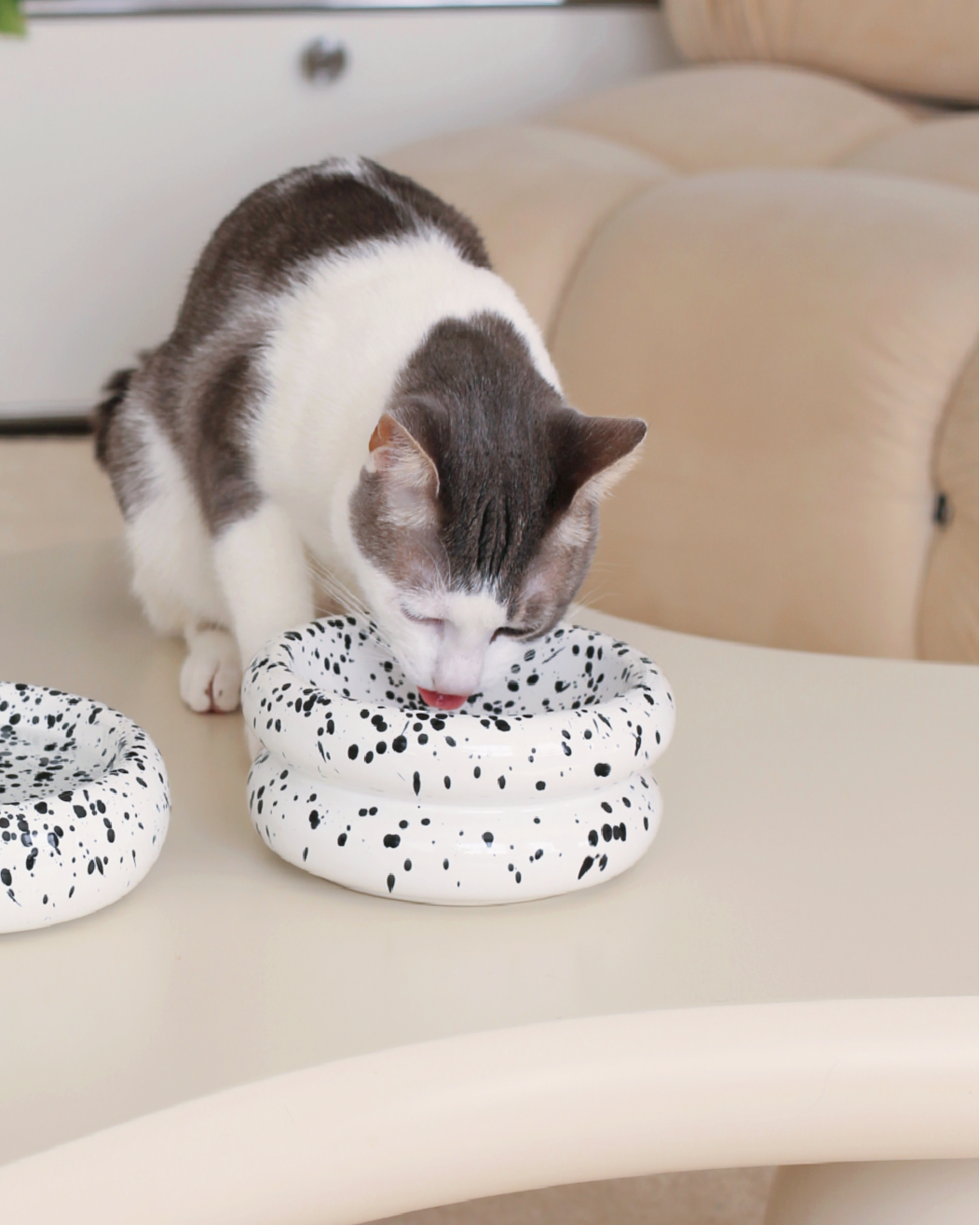
Hydration is a good example. In two-cat homes, a single fountain in a corner can become a quiet checkpoint — one cat drinks while the other waits or avoids. Adding a second water fountain in a separate, low-traffic zone keeps access from turning into pressure.
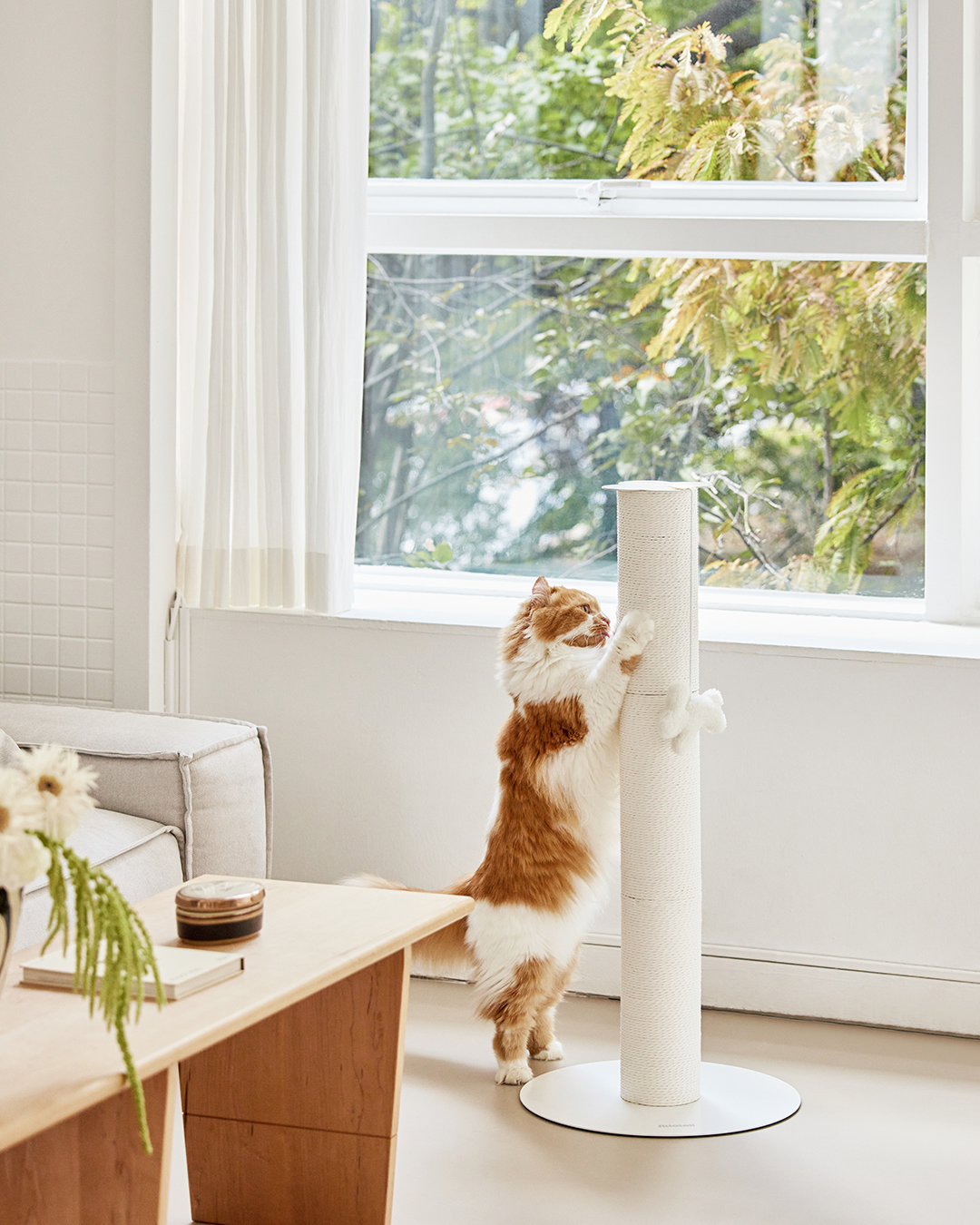
The same logic applies vertically. If floor space is tight, cat trees add options without adding clutter — and give cats cleaner ways to pass, perch, and disengage without constant overlap.
And litter placement matters more than most people expect. A well-designed litter box in a calm, low-traffic location helps prevent "hallway checkpoints," where one cat has to pass too close to the other just to complete a basic routine.
How We Curate Differently for Multi-Cat Homes
At Design for Pets, we do not look at multi-cat homes and assume they simply need more products.
We look at whether the room creates pressure — and whether the objects in it reduce that pressure or add to it.
That changes how we think about curation. In a one-cat home, one well-placed piece may support a full routine. In a multi-cat home, the more useful question is whether the setup creates flexibility.
We look for:
- Layouts that avoid creating one shared bottleneck. When food, litter, and the main path all overlap, cats are forced into repeated pass-bys. Even without fighting, that constant crossing adds pressure. A better layout creates alternate routes.
- Setups that support separation without making the room feel fragmented. Two resting zones in different areas let cats disengage without leaving the room. The goal isn't to split the home — it's to make distance easy when needed.
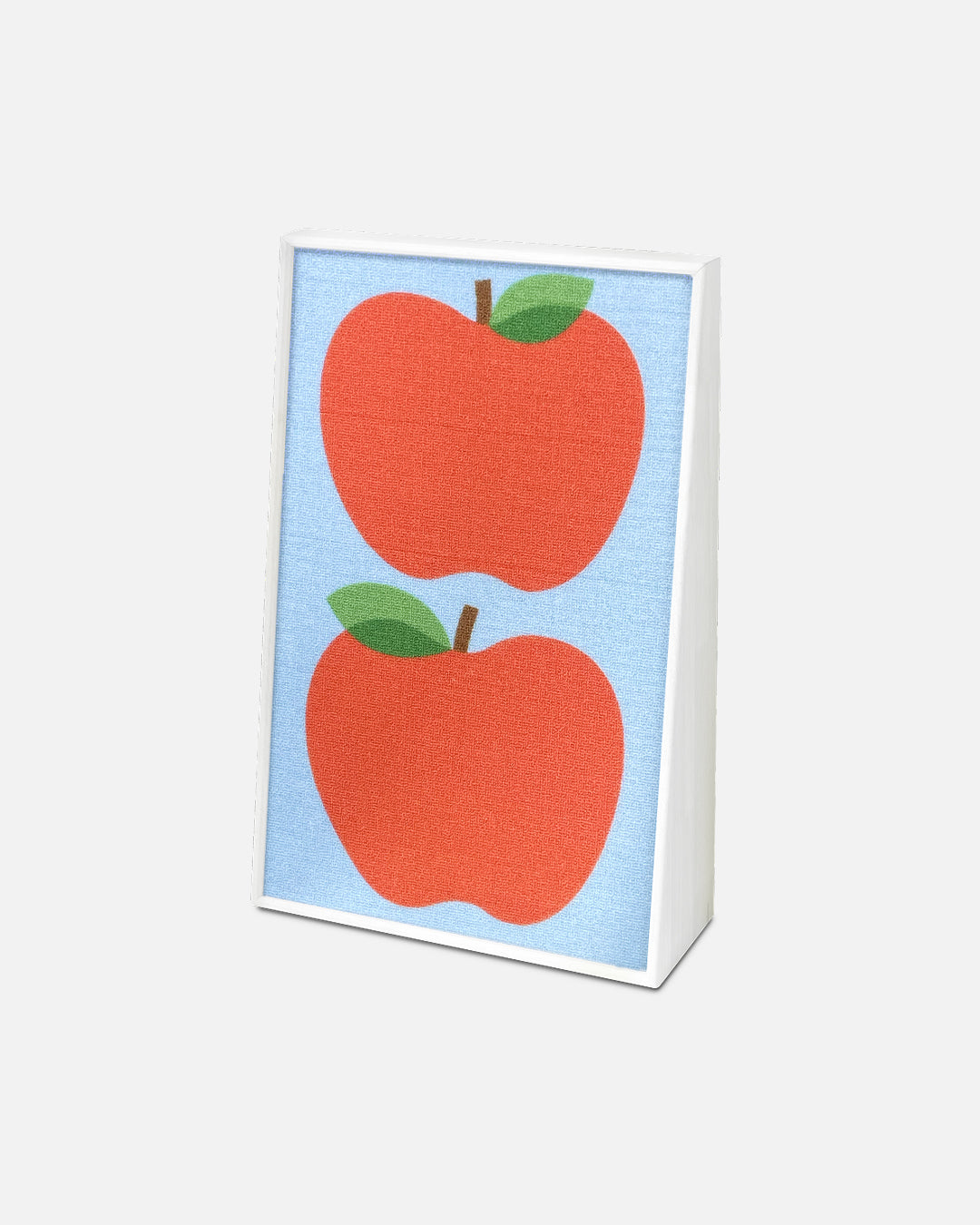
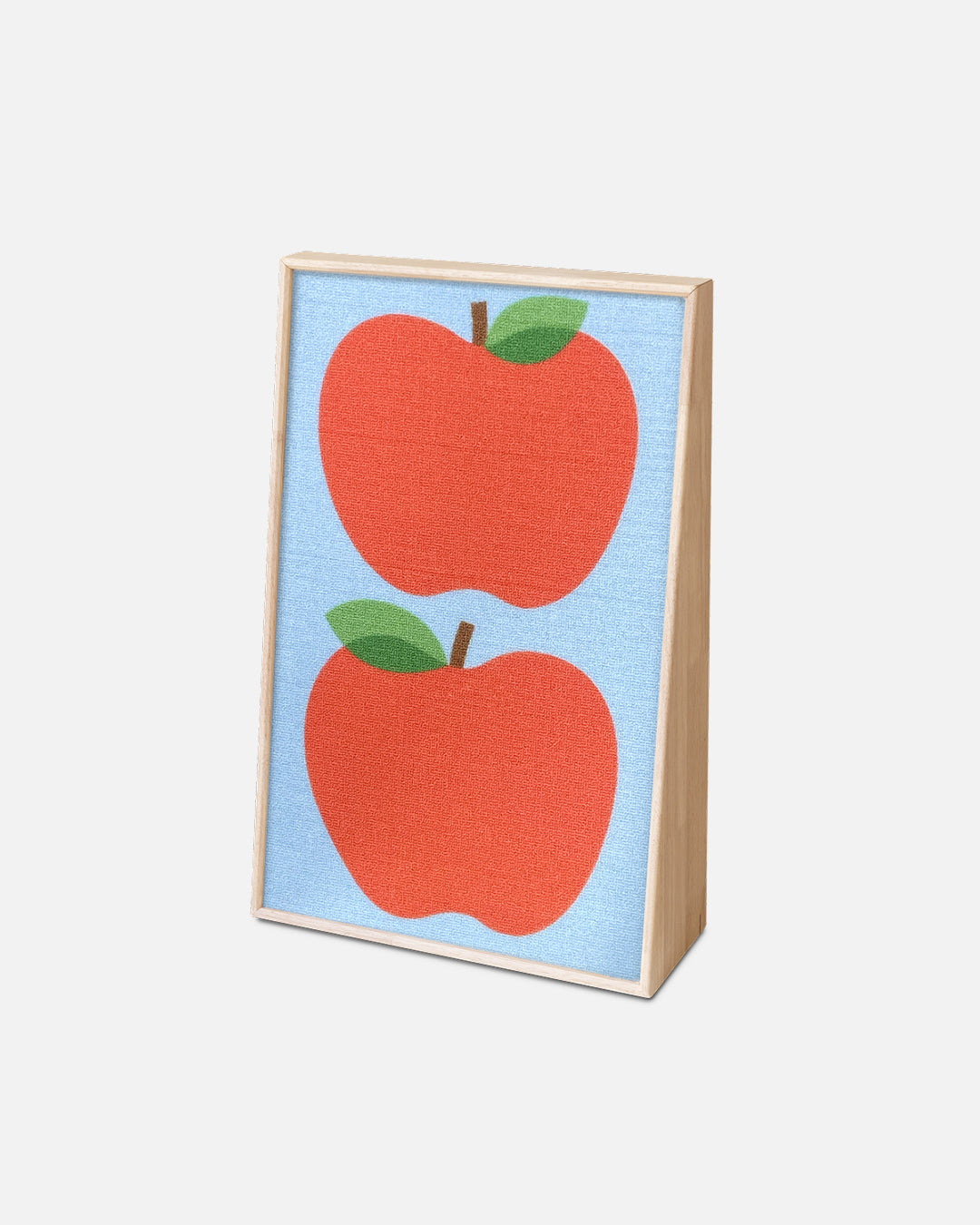
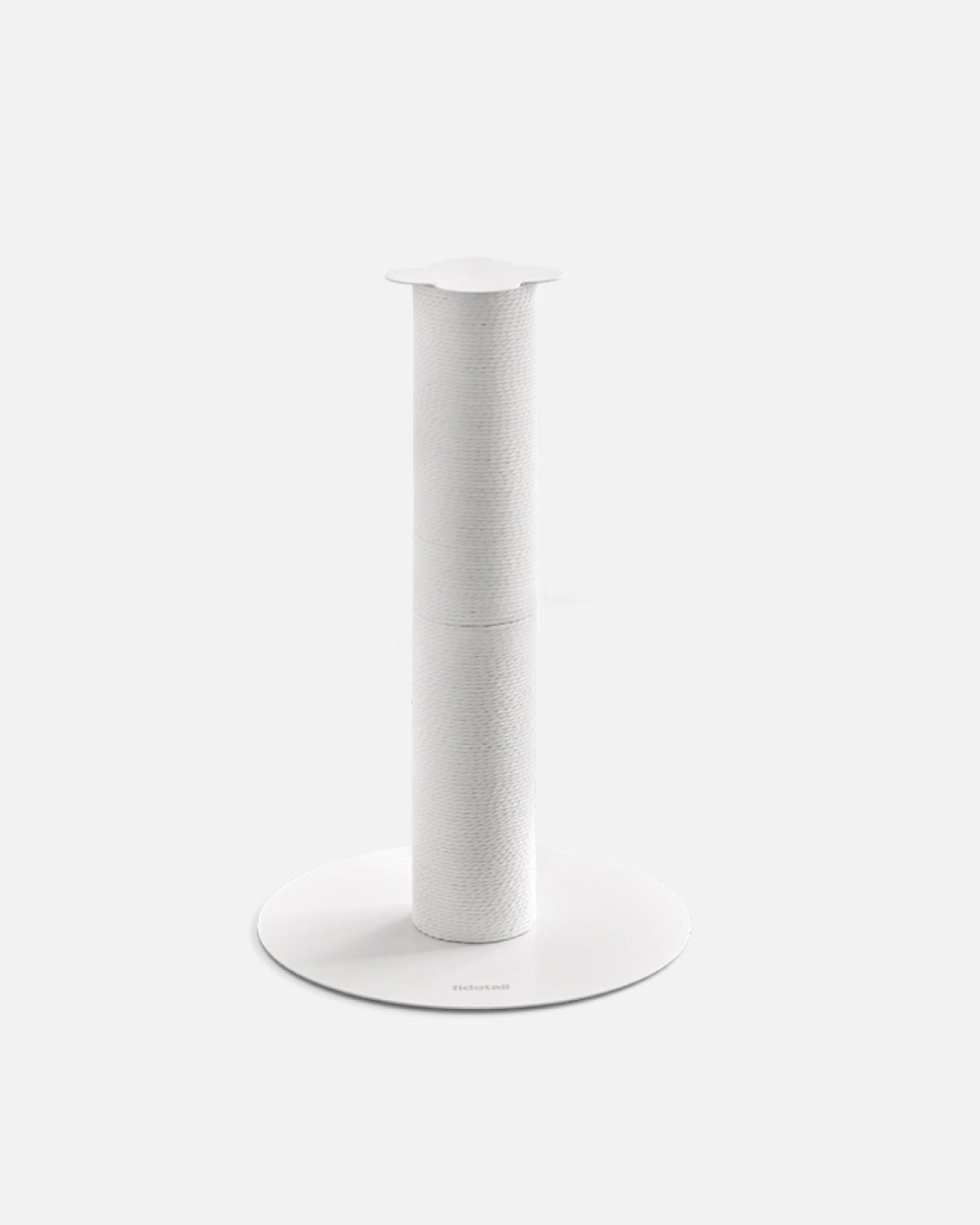
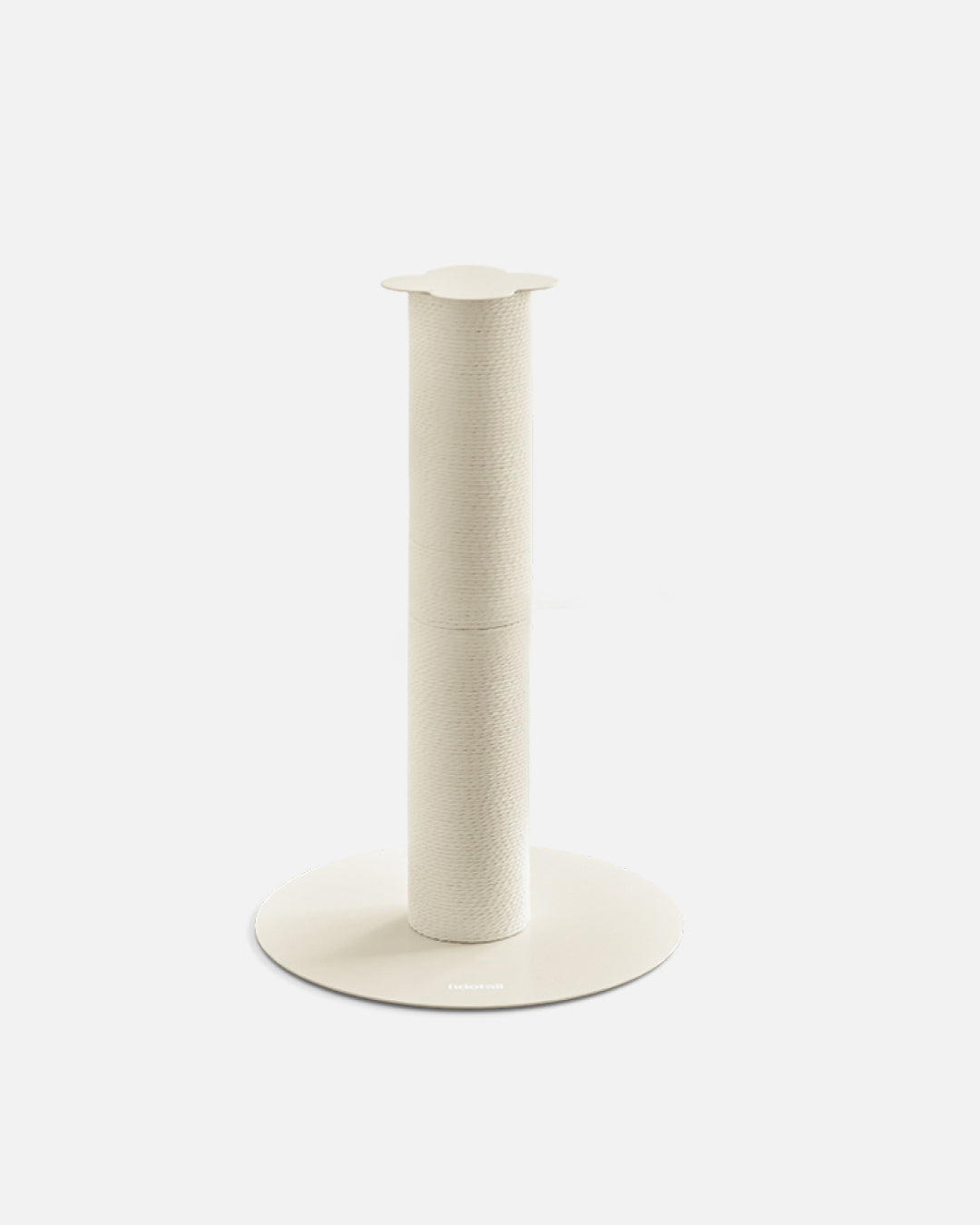
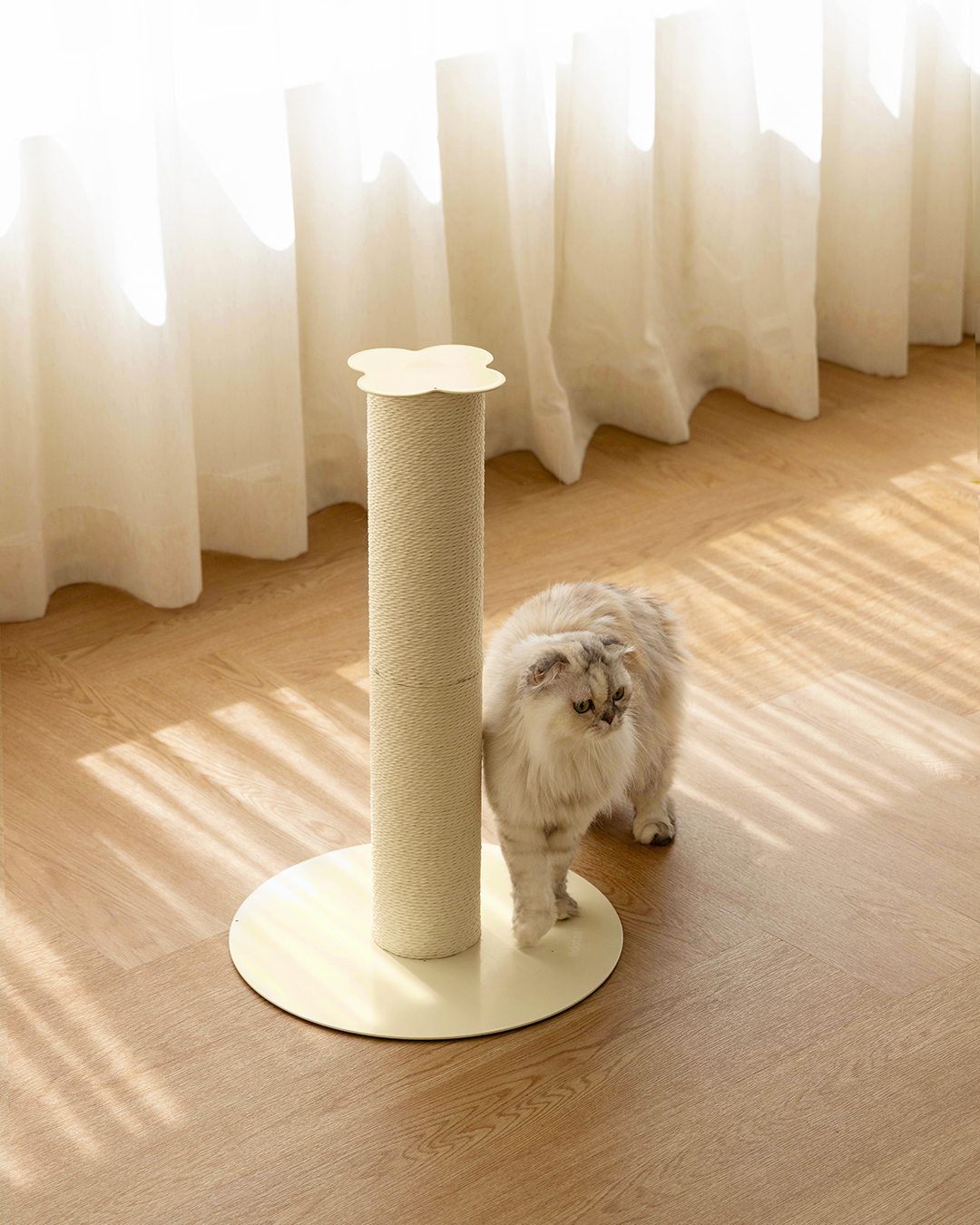
- Everyday-use items that are easy to keep out, not easy to hide away. If a scratcher gets put away because it feels like clutter, the outlet disappears. In multi-cat homes, that usually pushes pressure onto whatever is left, faster than you expect. Not duplicated everywhere — just distributed enough that no single point becomes the only option.

The goal is not to duplicate everything. It is to create a home where routines do not collapse onto the same few points.
The Home Doesn't Just Accommodate More
— It Has to Function Differently
Adding a second cat is not just about making room for one more animal. It changes the logic of the home.
What worked naturally for one cat may no longer feel calm, clear, or functional once the space has to support two separate rhythms at the same time. That is why multi-cat living is not simply an issue of capacity. It is an issue of design.
At Design for Pets, we see that shift clearly: a well-functioning multi-cat home is not one that just holds more. It is one that gives both cats more choice, less friction, and a more workable everyday routine.
Because when a second cat arrives, the real change begins with the home.
A multi-cat home isn't one that just holds more — it's one that gives both cats more choice and less friction. When a second cat arrives, the real change begins with the home.
Related Questions
A setup that creates more options, less friction, and better flow — not just more coverage.
Not always in a simple one-for-one way. Placement matters just as much as quantity.
The most useful products are often the ones that support separation, flexibility, and easy daily access.