
Most cats go wild for the elusive red dot. Laser pointers have become one of the most popular cat toys because they can get even the sleepiest cat on their feet. But while the chase is thrilling, many cat parents wonder: are laser pointers bad for cats, or can they actually be good for them?
The honest answer sits somewhere in the middle. Used thoughtfully, laser play is great exercise and enrichment. Used carelessly, it can lead to frustration, anxiety, and a pattern known as laser pointer syndrome. Here is how to tell the difference, and the small habits that keep laser play healthy.
Why Cats Love the Red Dot

Cats are natural hunters. Even the most pampered indoor cat is wired with the same instincts as their wild ancestors: stalk, chase, pounce, and capture. The fast, unpredictable movement of a laser dot mimics prey almost perfectly, which is why cats snap to attention the moment it appears.
That is what makes laser play feel so natural to them. It is not just a toy, it is a stand-in for the hunt their bodies are built for. The catch is that, unlike a real hunt, the dot can never actually be caught, and that is exactly where most owners go wrong.
The Benefits of Laser Play
Used well, a laser pointer is one of the most effective tools for keeping indoor cats happy and healthy:
- Mental and physical exercise: laser play taps straight into the hunting drive, getting your cat to pounce, sprint, and change direction. For indoor cats who do not move much, a few minutes makes a real difference.
- A boredom buster: short sessions break up long lazy days, burn off energy, and can ease restless behaviors like overgrooming, furniture scratching, or nighttime yowling.
- Engagement and bonding: it may look like solo play, but it is still an interaction between the two of you, which is especially useful for cats who ignore other toys or dislike being handled.
Laser play is one of the few things that can recreate a full hunting sequence indoors, the focus, the chase, and the burst of energy. For apartment cats in particular, that is hard to replicate any other way.
The Risks Every Cat Owner Should Know
So is a laser pointer bad for cats? Not by itself, but like any tool it can backfire when used the wrong way.
Chasing an uncatchable dot can lead to frustration, and over time that frustration can turn into stress or compulsive behavior.
Tip: always end the session with a toy your cat can actually catch, like a wand toy or a plush prey toy.
Some cats pace around or stare at walls after play. These signs point to overstimulation and the start of laser pointer syndrome.
Tip: switch to physical toys as soon as your cat starts showing obsessive signs.
Shining a laser in your cat's eyes can damage the retina. Never point the beam near the face, even briefly.
Tip: use a pet-safe laser pointer and keep the beam on the floor or wall only.
What Is Laser Pointer Syndrome?
Laser pointer syndrome is the term vets and feline behaviorists use for the anxious, obsessive behavior some cats develop when laser play ends without resolution. It is not an official medical diagnosis, but it is a well documented pattern, and a real reason some cats are better off without laser toys at all.
The cause is simple. Cats are wired to complete a full hunt: stalk, chase, catch, bite. When the catch never happens, their nervous system stays in chase mode long after the laser is put away, and repeated sessions can build that into a lasting anxious state.
The hunt cycle, and where the laser stops.
- Common signs: wandering or pacing after sessions, searching walls and floors for the dot, fixating on reflections or shadows, trouble settling, and sometimes extra vocalizing or overgrooming.
- How to prevent it: always end laser play by guiding the dot onto a real toy your cat can catch. That catch gives their brain the closure it needs.
- If your cat already shows signs: pause laser play for a few weeks and switch to wand toys and plush prey toys they can chase and catch. Most cats settle quickly once the cycle is broken.
How to Use Laser Pointers Safely
The difference between healthy laser play and the frustrating kind usually comes down to a few small habits, whether you use a handheld pointer or a laser app.
Treat it like a real hunt, with a beginning, a chase, and a satisfying end, and laser pointers go from a controversial toy to genuinely healthy enrichment.
The Toys That Complete the Hunt
The single most important habit in laser play is finishing with something your cat can physically catch. It is the simplest way to prevent laser pointer syndrome, and it turns a frustrating chase into a complete hunt.
- Switch to a wand for the final chase: a light teaser like the Jellybean Cat Teaser is an easy bridge. Move from the dot to the wand, let your cat chase it, then let them win.
- Give them prey to keep: finish with a toy they can grab, bite, and bunny kick, like the Earthworm Cat Toy or the Yeti Plush. Both come with organic catnip, which makes the catch feel even more rewarding.
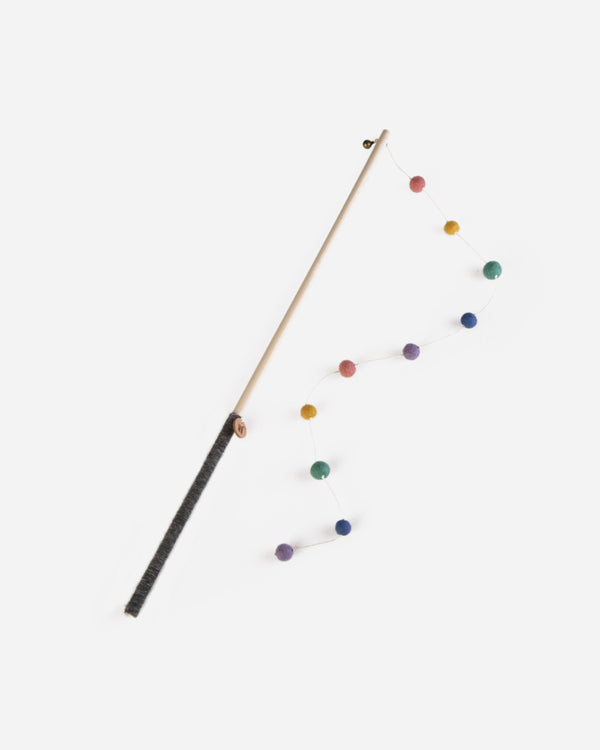

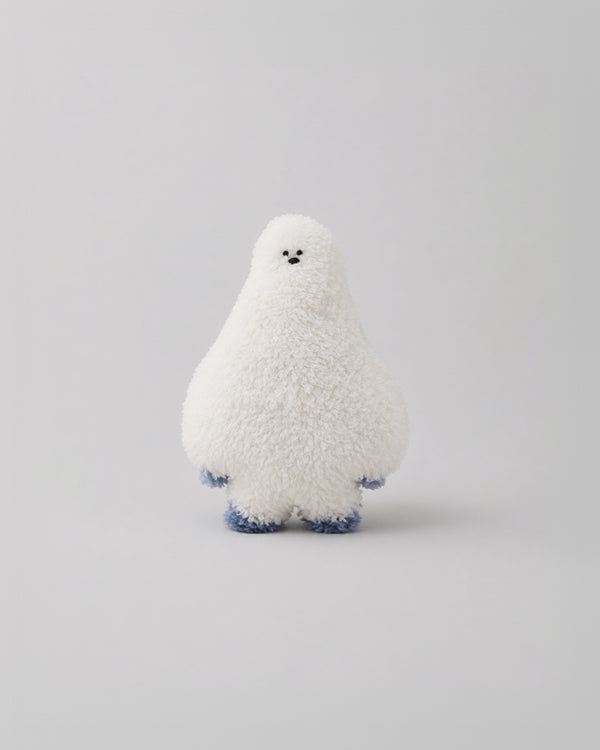

Pairing laser play with a catch toy is not a nice-to-have. It is what gives your cat closure, and it is the difference between a wound up cat and a calm, satisfied one. Browse more in our cat toys collection.
What About Dogs?
A question we hear often: are laser pointers bad for dogs the same way they are for cats? The short answer is yes, and arguably more so.
Cats can usually handle laser play with the right precautions, but many veterinary behaviorists recommend skipping lasers for dogs entirely. Dogs form strong associations with patterns, and the unpredictable dot can trigger compulsive chasing that spreads to any moving light, sunlight off a watch, a phone screen, or a passing car. Once that habit sets in, it can be hard to undo.
Stick to toys your dog can actually catch and carry instead. Flirt poles, fetch toys, and our tug and nosework toys give the same mental and physical workout without the obsessive aftermath.
Final Thoughts
So, are laser pointers bad for cats? Not inherently, they are a tool. Used safely and with intention, laser play is fantastic exercise for body and mind. The key is making sure your cat gets the full hunting experience by ending every session with a toy they can catch.
The happiest indoor cats are not the ones with the most toys. They are the ones whose play feels complete: instinct, chase, capture, reward. Get that rhythm right, and laser play becomes one of the best parts of your cat's day.
Use the laser for the chase, but never let it be the ending. Keep sessions short, finish every hunt with a real catch, and your cat gets all of the fun with none of the frustration.
Frequently Asked Questions
Laser pointers are not inherently bad for cats, but how you use them matters. Keep sessions short, under ten minutes, never aim the laser at your cat's eyes, and always end with a physical toy your cat can catch to avoid laser pointer syndrome.
Laser pointer syndrome describes the obsessive, anxious behavior some cats develop after laser play that ends without a catch. Signs include pacing, staring at walls, restlessness, and constantly searching for the light. It happens because cats are wired to finish a hunt, and the laser never lets them.
They can if they are overused or used without a satisfying ending. Cats who fixate on the dot, pace afterward, or cannot settle may be showing early signs of laser pointer syndrome. Shorter sessions that finish on a catch toy usually solve it.
This is a classic sign of laser pointer syndrome. Your cat's brain is still in chase mode because the hunt never ended with a catch. Guide the dot onto a toy your cat can grab at the end of every session so their instincts get closure.
Yes, and often more so. Dogs are prone to developing lasting light and shadow chasing habits after laser play, so many veterinary behaviorists recommend skipping laser pointers for dogs entirely and choosing toys they can catch and carry instead.
Choose a laser designed specifically for pets, which uses lower output power than office presentation lasers. Even then, never shine it near your cat's face or eyes, and keep the dot on the floor and walls.
Anything your cat can physically catch, bite, and kick. Soft, prey-like toys work best, such as a plush or a catnip rope toy, and a wand teaser makes an easy bridge from the chase to the catch.
Read more
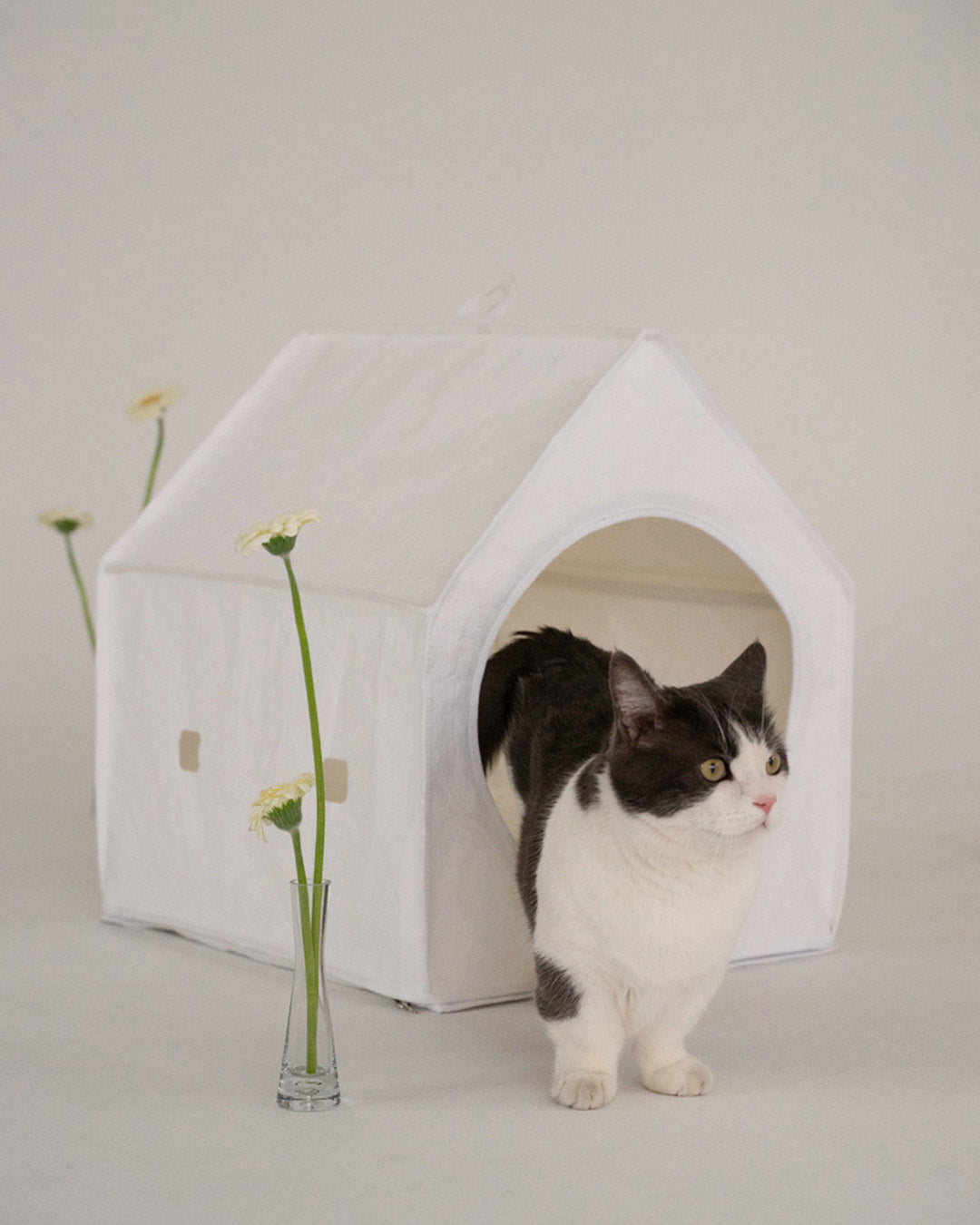
➴ Welcoming a cat into your home is a heartwarming experience filled with curiosity, calm moments, and quiet companionship. But being a new cat parent means more than just giving love—it also means...

If you have pets and plants in the same home, you've probably had that moment of panic. Your cat is chewing on something and you're not sure if you need to call a vet or just move the plant. We've ...