
You grab your keys, and there it is: the look. Ears down, eyes tracking you to the door, a quiet little sigh as you leave. It's hard not to wonder what's going on in there once the door clicks shut. Does your dog actually miss you, or forget you're gone the moment you're out of sight?
As it turns out, science has spent a fair bit of time on this exact question. The short answer is yes, dogs do miss us. The longer answer, about how, and for how long, is more interesting than you'd expect.

What the Science Says
The evidence that dogs form genuine emotional attachments, not just food-based habits, is surprisingly solid.
In pioneering research, neuroscientist Gregory Berns trained dogs to lie still in an MRI scanner and watched what happened in their brains. When dogs caught the scent of their own person, the caudate nucleus, a reward center tied to positive expectation, lit up more than it did for a stranger's scent. Their brains, in other words, treat you as something to look forward to.
There's a hormonal side, too. When a dog and their owner interact, both of them release oxytocin, the same bonding hormone at work between parents and children. The attachment goes both ways, and it's chemical, not just behavioral.
Do Dogs Know How Long You've Been Gone?
Dogs don't read clocks, but the old idea that they have no sense of time isn't quite right either. They're excellent at tracking patterns: the changing light, household sounds, and the rhythms of your routine. That's why a dog so often drifts toward the door around the time you usually come home.
One well-known home study compared how dogs greeted their owners after being left alone for 30 minutes, 2 hours, and 4 hours. The longer the absence, the more enthusiastic the reunion, more movement, more attention, more visible relief. Interestingly, it wasn't a neat doubling; the biggest jump came with longer separations rather than scaling evenly with the clock. So while your dog may not count the hours, they do register the difference between a quick errand and a long day away.

Signs Your Dog Misses You
Dogs can't tell us they missed us, so they show us instead. A few of the most common signs:
The Overjoyed Reunion
The wagging, spinning, licking welcome you get at the door is the clearest one. That burst of joy on your return is the flip side of having noticed you were gone, and it grows more intense the longer you've been away.
Read: reunionWaiting by the Door or Window
Many dogs post up near the door or a favorite window around your usual return time. It's their pattern-tracking at work, anticipating you based on the daily rhythm they've learned.
Read: anticipationSettling on Your Things
Curling up on your laundry, your side of the couch, or a worn shirt is a comfort-seeking behavior. Your scent is reassuring, so they gravitate to the things that carry it while you're out.
Read: scent comfortA Quieter, Lower-Energy Dog
Some dogs simply power down when their person leaves: more sleeping, less interest in play, a subdued mood that lifts the moment you're back. After a longer absence, that dip can look a little like sulking.
Read: low moodMissing You vs. Separation Anxiety
Here's the important distinction. Most dogs feel a mild pang when you go and a happy lift when you return, and that's healthy, normal attachment. Separation anxiety is something different: a genuine distress response, not just missing you.
Signs that cross from missing you into anxiety include persistent barking or howling the moment you leave, destructive behavior aimed at exits, house soiling in a trained dog, pacing, drooling, or attempts to escape. If that sounds familiar, it's worth a conversation with your vet or a certified trainer, because separation anxiety responds well to the right support.
And to put one worry to rest: research suggests separation anxiety isn't simply caused by loving your dog "too much." The goal isn't less affection, it's helping your dog feel calm and secure on their own.
How to Make Leaving Easier
Whether your dog just misses you or leans anxious, the same handful of habits help them feel settled when you're out.
Before you head out
- Keep goodbyes and hellos low-key. Calm, undramatic departures and returns teach your dog that leaving is no big deal.
- Exercise first. A good walk or play session before you leave means a tired, more relaxed dog while you're gone.
- Leave your scent behind. A worn t-shirt in their bed area is a simple, well-studied comfort.
- Give them a space of their own. A comfortable, familiar bed or cushion to settle into makes alone time feel safe rather than empty.
- Build up alone time gradually. Short absences that slowly get longer help a dog learn that you always come back.
None of it means loving your dog any less. If anything, it's the opposite: helping them feel secure enough that your leaving, and your coming home, both become easy, ordinary parts of a day well spent together.
Yes, your dog misses you, and the science backs it up. The kindest thing you can do with that knowledge is help them feel calm and secure while you're gone, so every reunion is joy without the ache.
Frequently Asked Questions
Yes. Brain-imaging studies show a dog's reward center activates for their owner's scent, and both dog and owner release the bonding hormone oxytocin when together. Dogs form genuine emotional attachments, not just food-based habits.
Not by the clock, but they track patterns like light, sound, and routine, which gives them a sense of time intervals. Studies show dogs greet owners more enthusiastically after longer absences, so they do register the difference between a short trip and a long day.
Missing you is mild and passes; separation anxiety is real distress. Watch for persistent barking or howling right after you leave, destructive behavior near exits, house soiling in a trained dog, pacing, or drooling. If you see these, check with your vet or a certified trainer.
Dogs live largely in the moment, but they learn through repetition. Calm, consistent departures and returns, plus gradually building up alone time, teach your dog that you always come back, which helps them relax while you're out.
Read more
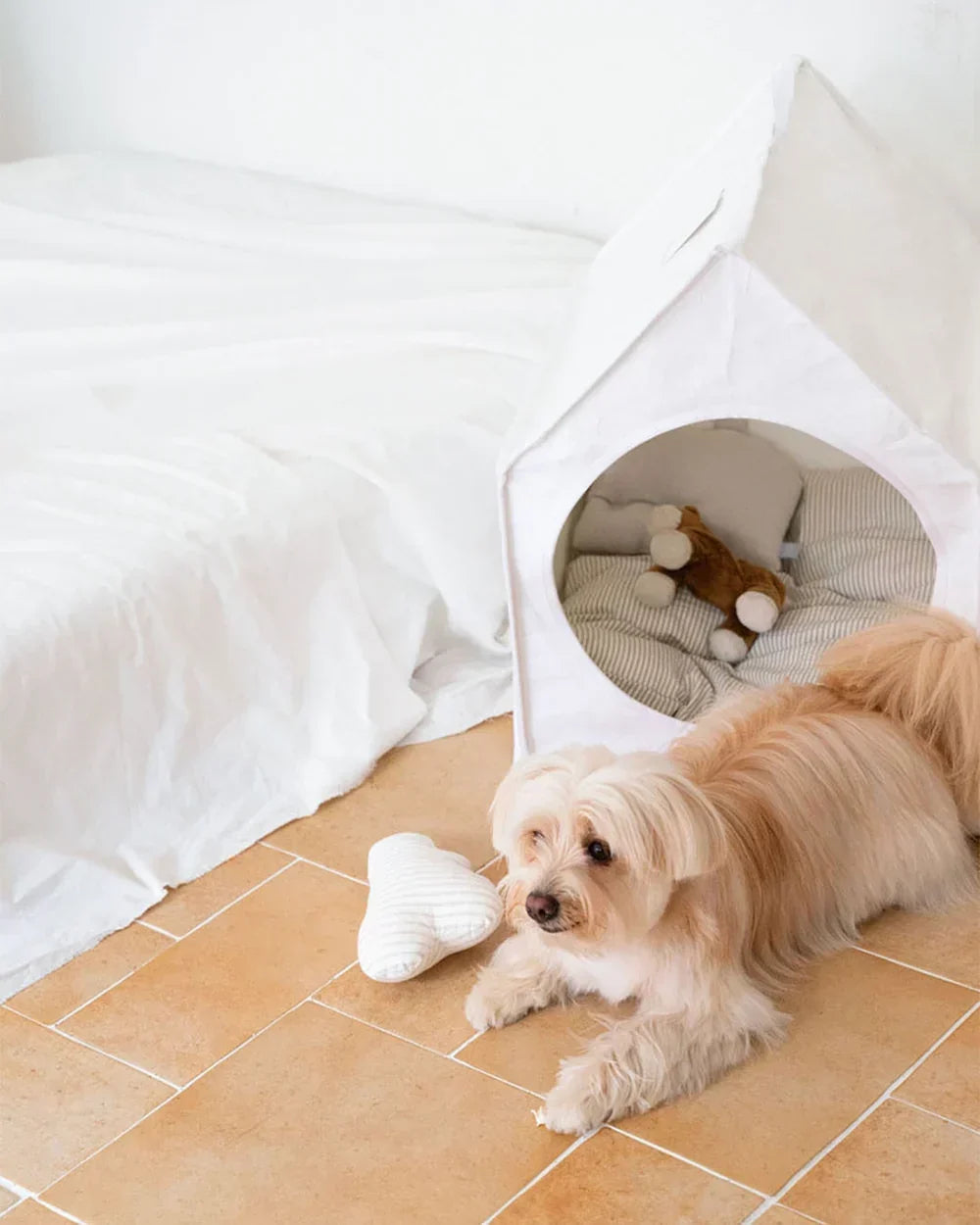
Bringing home a new puppy is equal parts joy and quiet panic. Here's the short, considered checklist of what actually matters in their first year, from food and ID to planning for the unexpected.
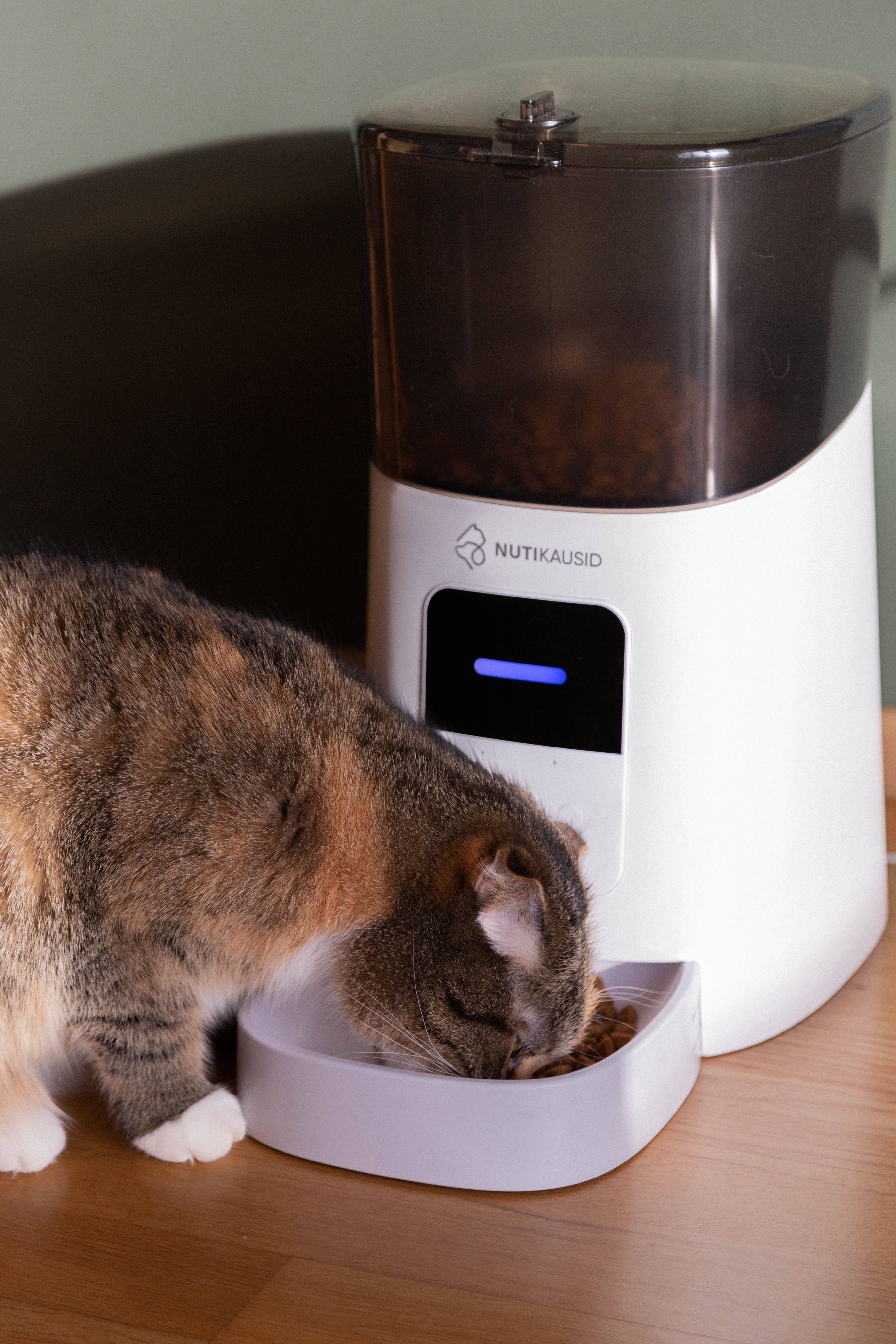
The smart pet tech actually worth it: a self-cleaning litter box, a pet-aware robot vacuum, a GPS dog collar, and a camera to check in from anywhere.