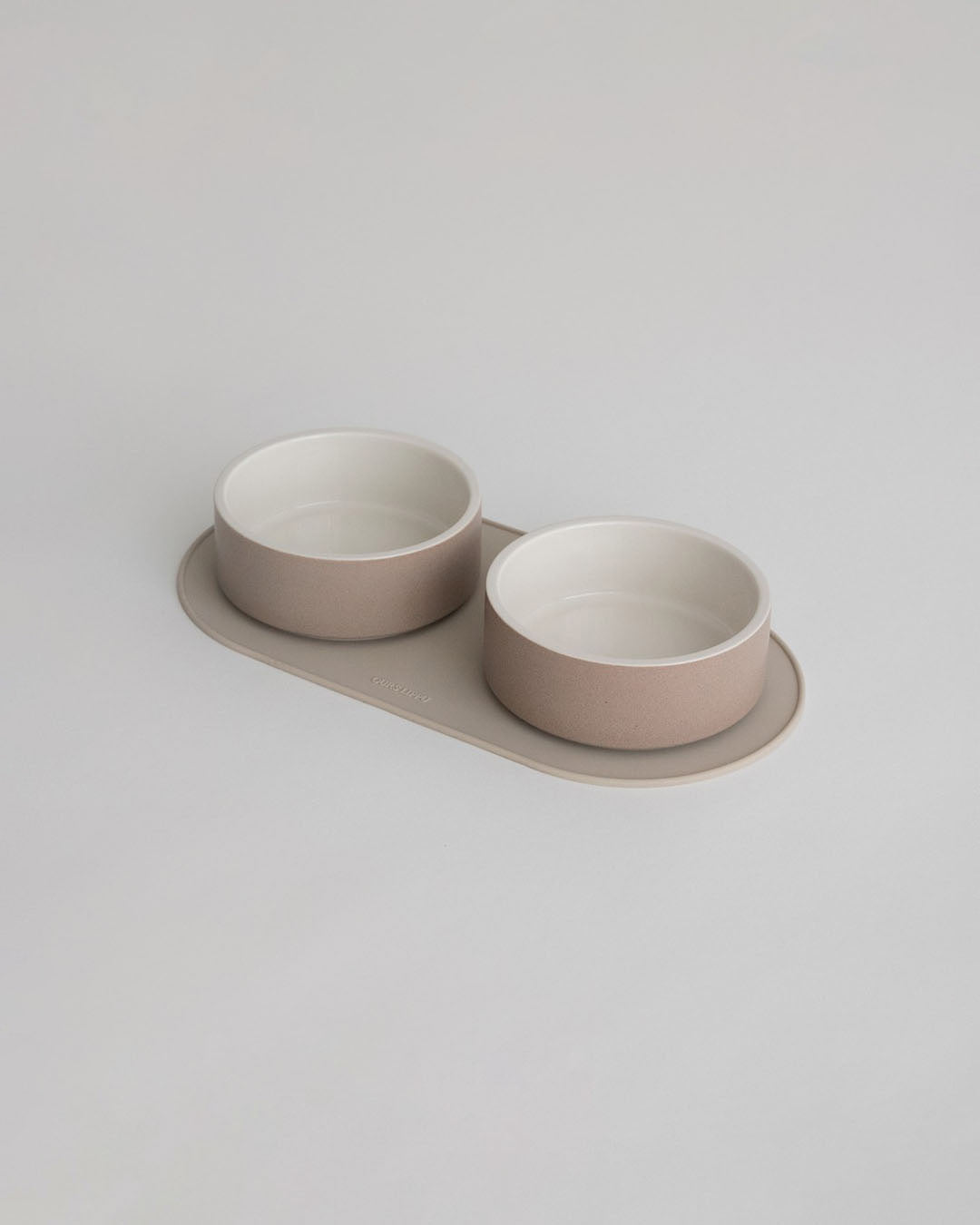
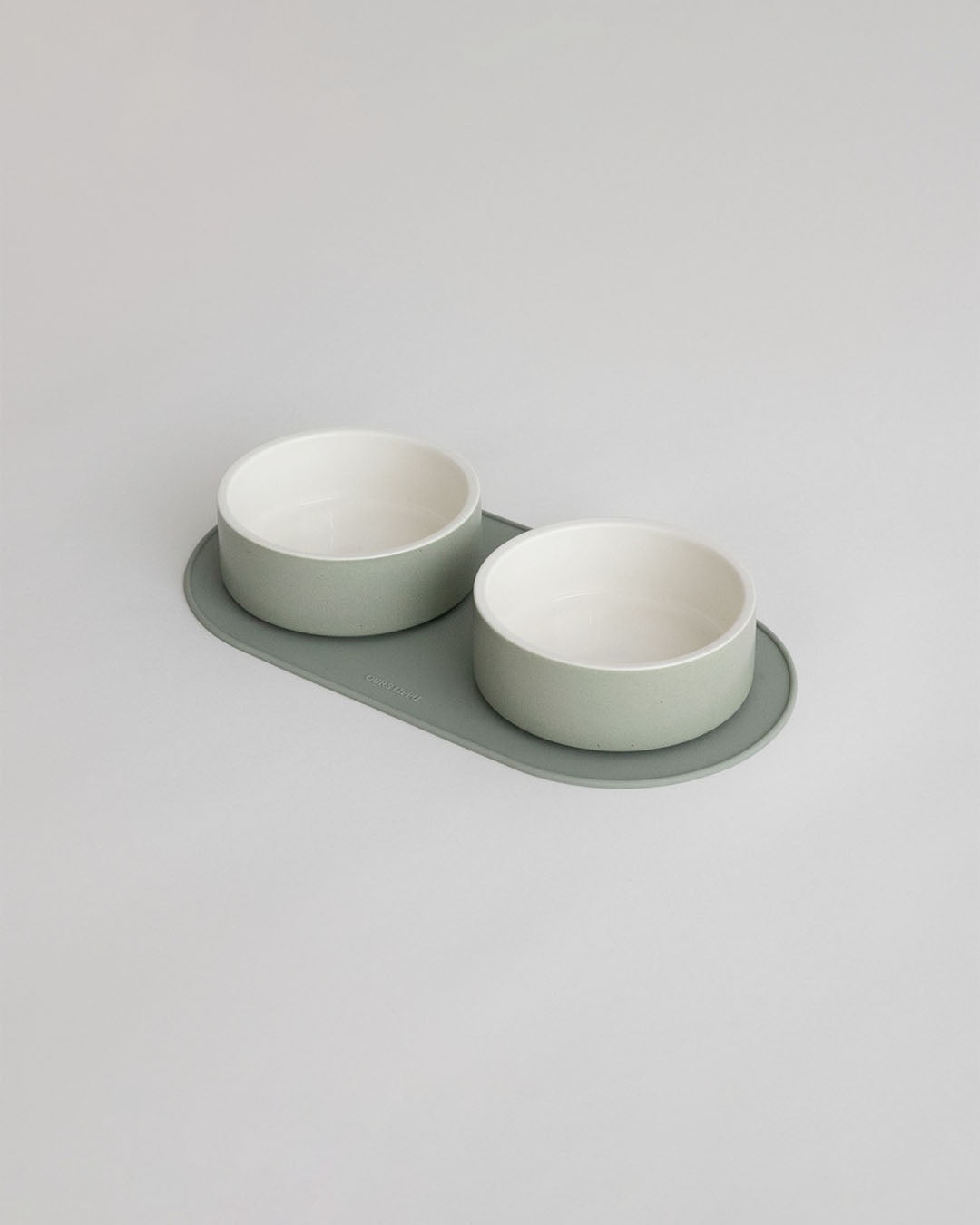
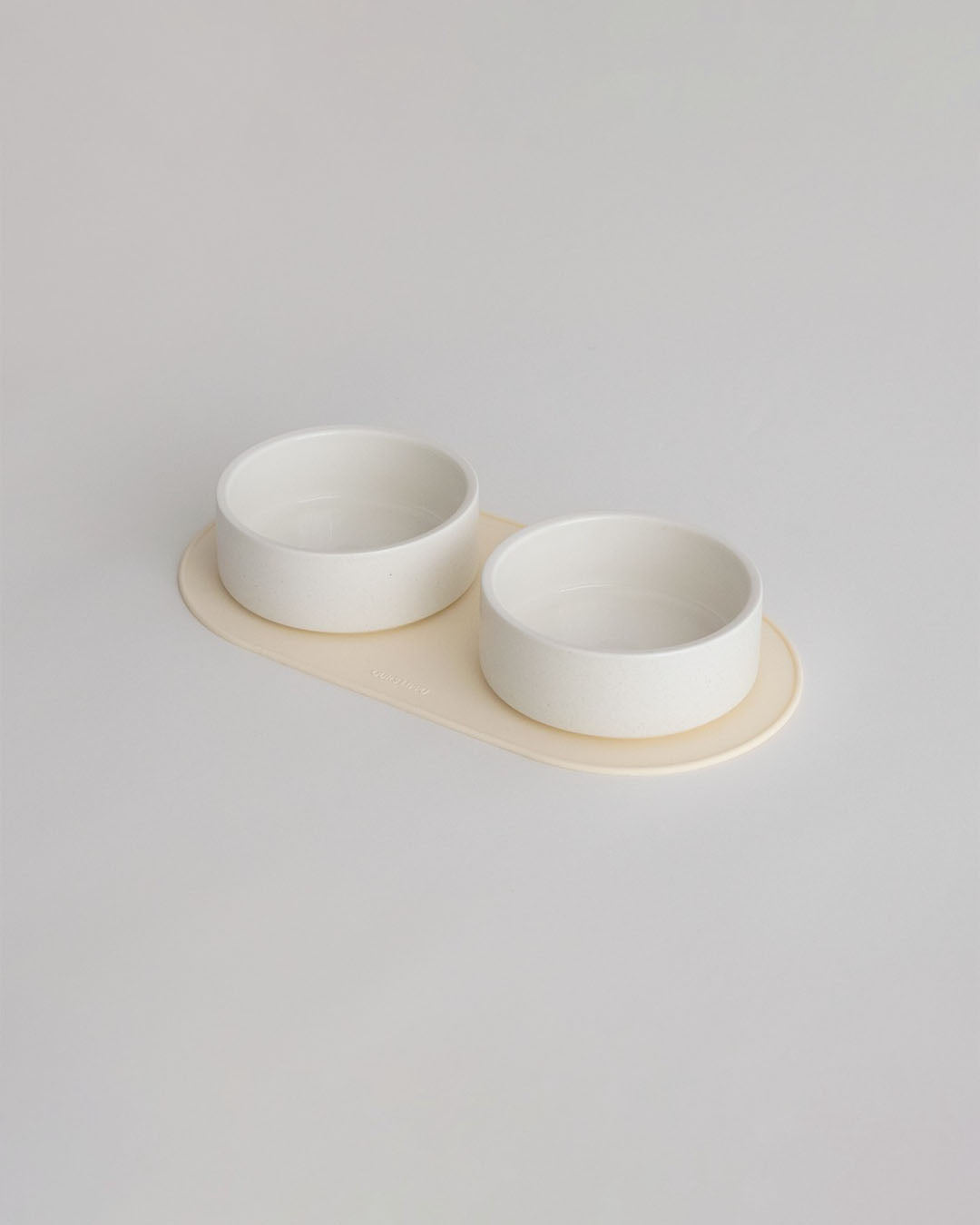
1. Is Your Pet’s Bowl the Right Height?
How Bowl Height Affects Your Pet’s Posture, Digestion, and Comfort
Many pet owners focus on food quality, but one important detail is often overlooked: pet bowl height.
The height of your pet’s bowl plays a role in how they eat every day. It can affect posture, neck strain, and overall comfort during meals. So how do you know if your pet’s bowl is actually the right height?
2. Floor Bowl vs Elevated Bowl: What’s the Difference?
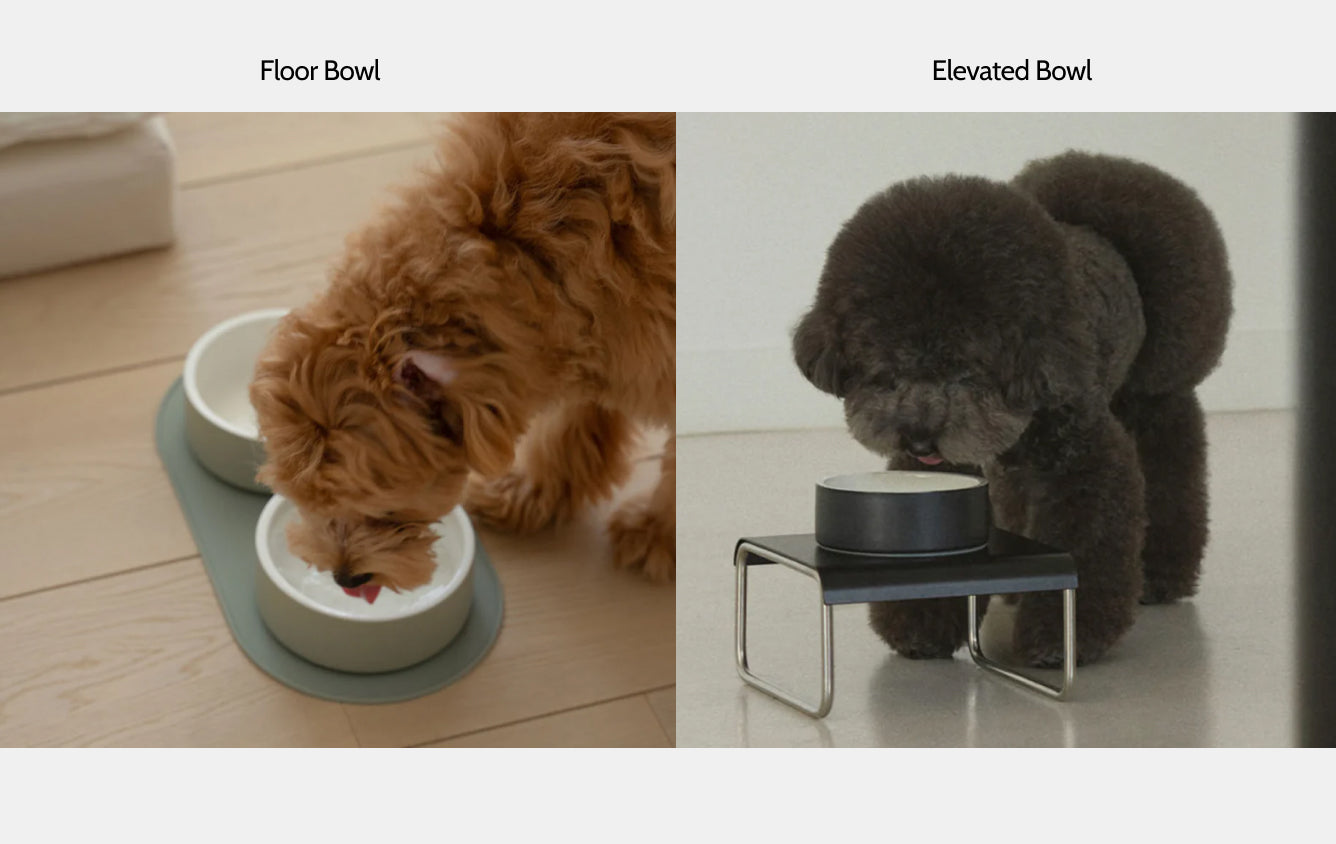
Traditional floor bowls require pets to lower their head significantly while eating. For small or baby pets, this may not be an issue. For others, especially older pets or those with joint sensitivity, this position can create unnecessary strain.
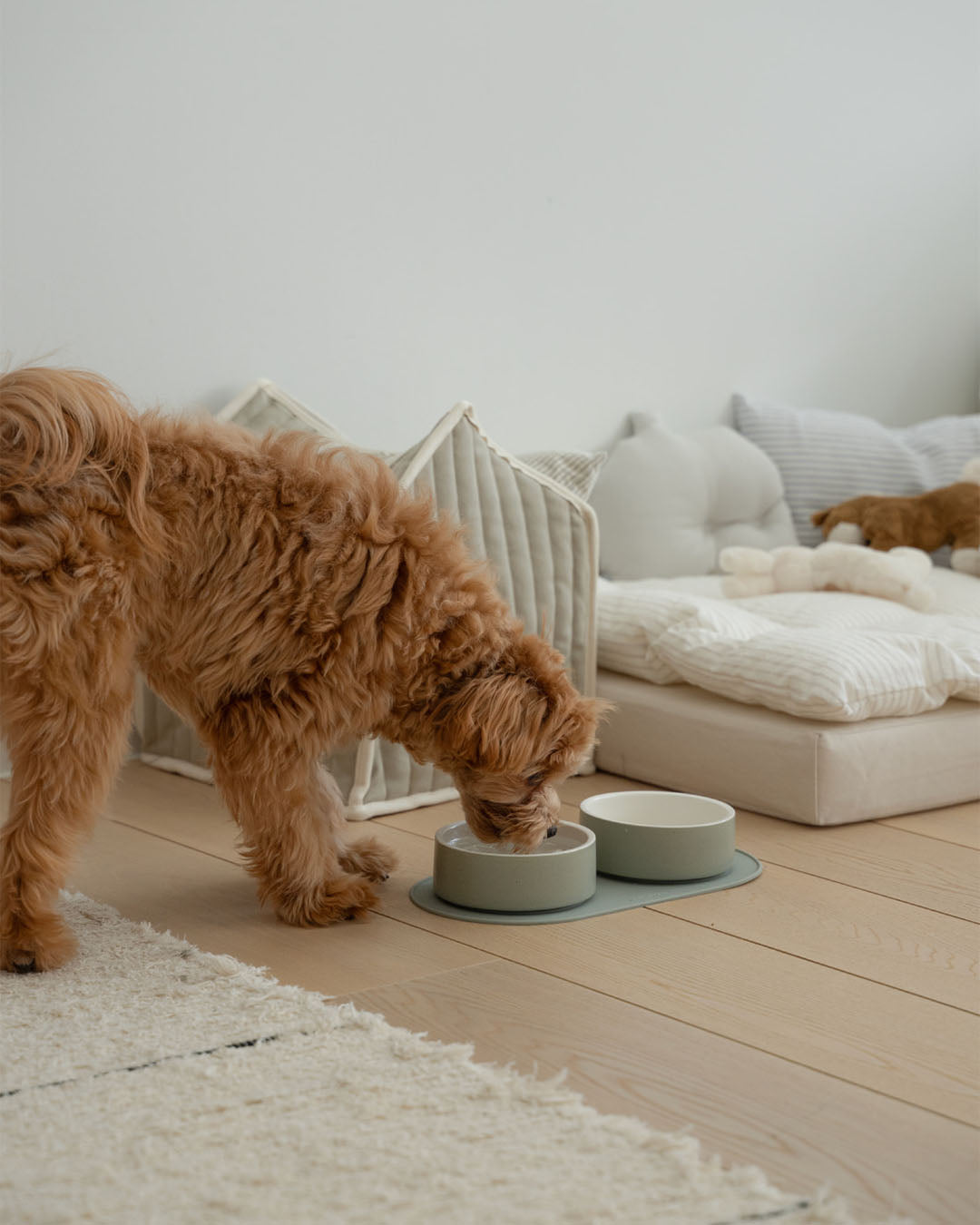
Floor bowls
- Sit directly on the floor for a simple, minimal setup
- Allow pets to eat in a naturally lowered position
- Commonly used for small or young pets with no mobility concerns
- For medium to large sized dogs and fully grown pets, a floor-level setup may feel less comfortable due to the strained posture.
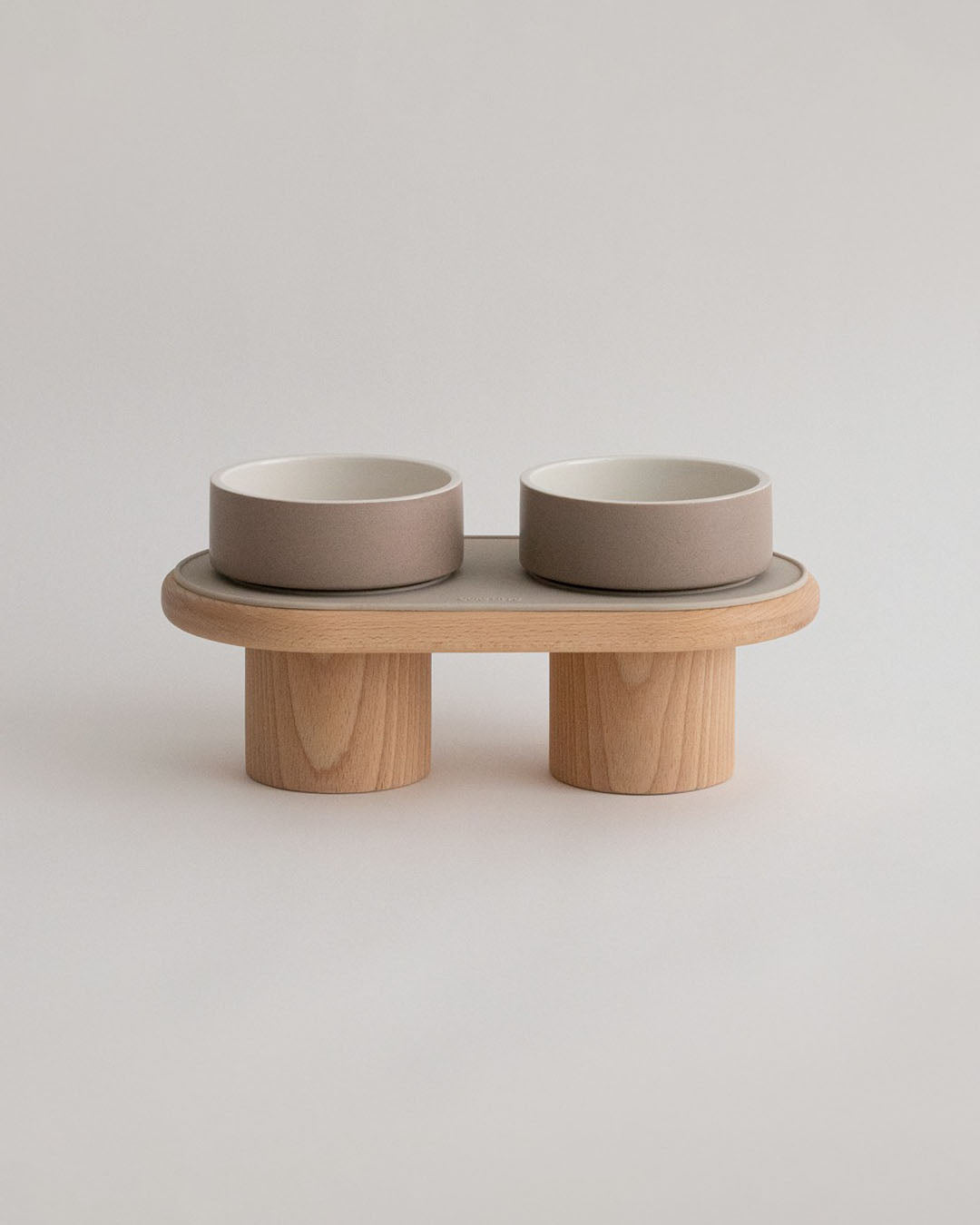
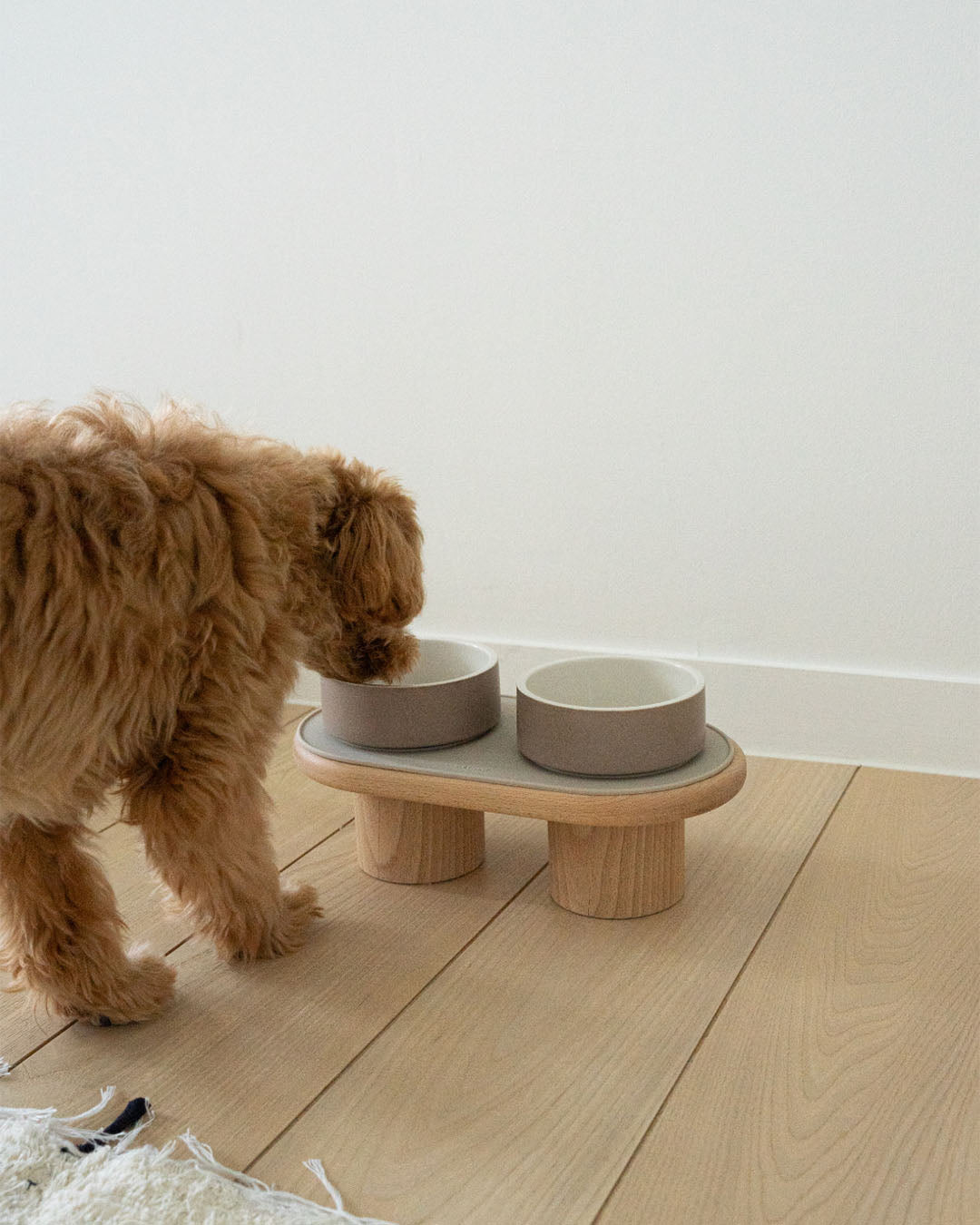
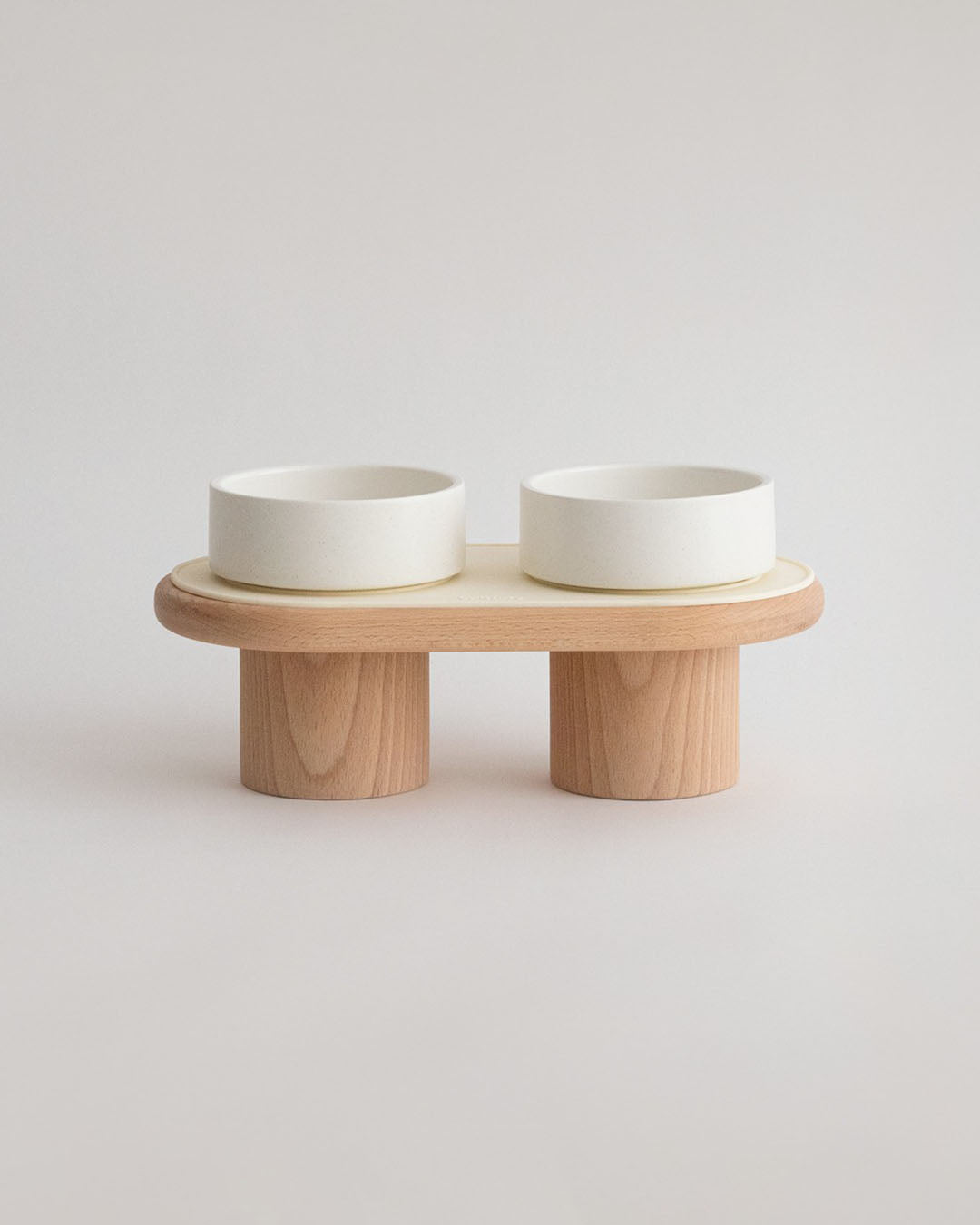
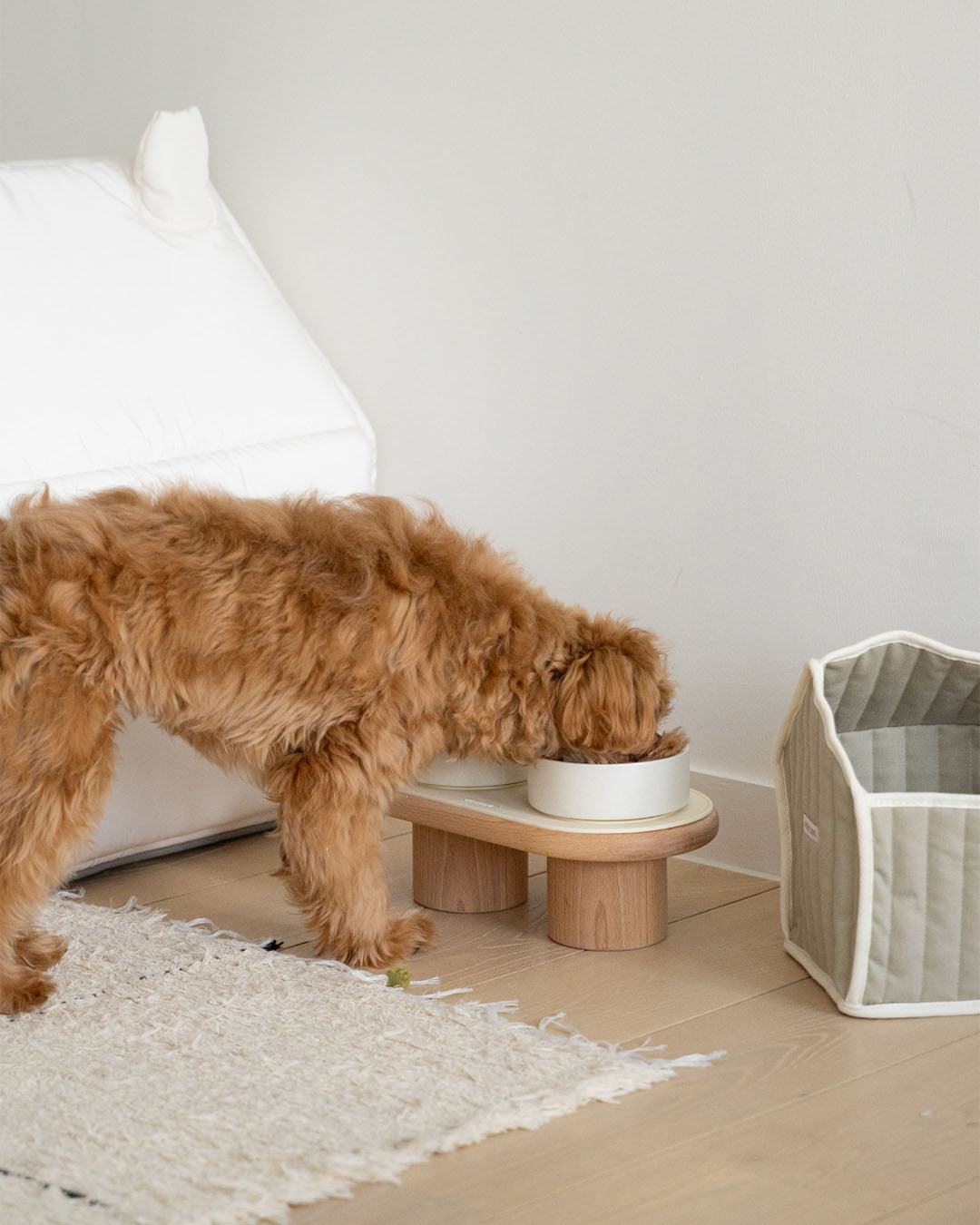
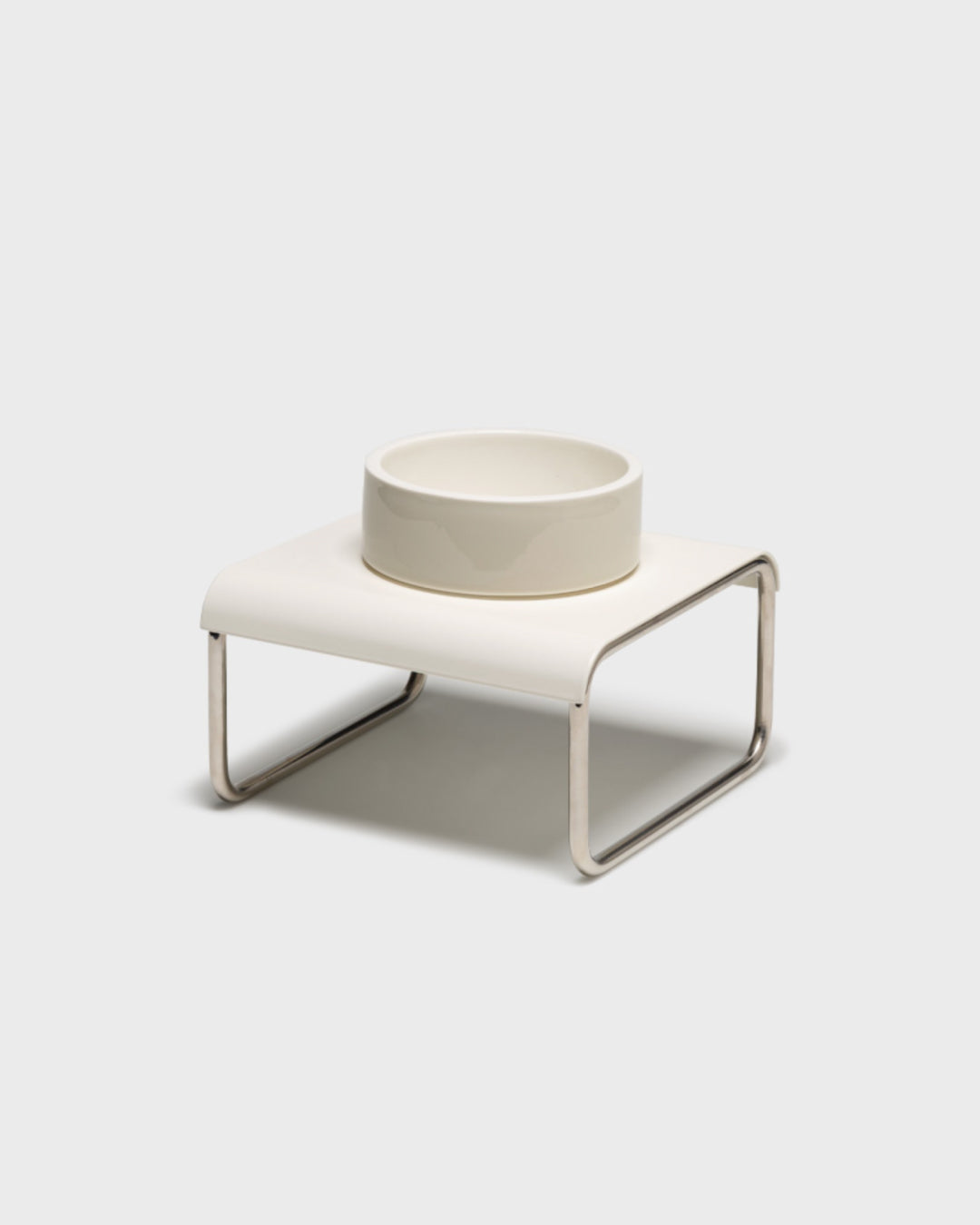
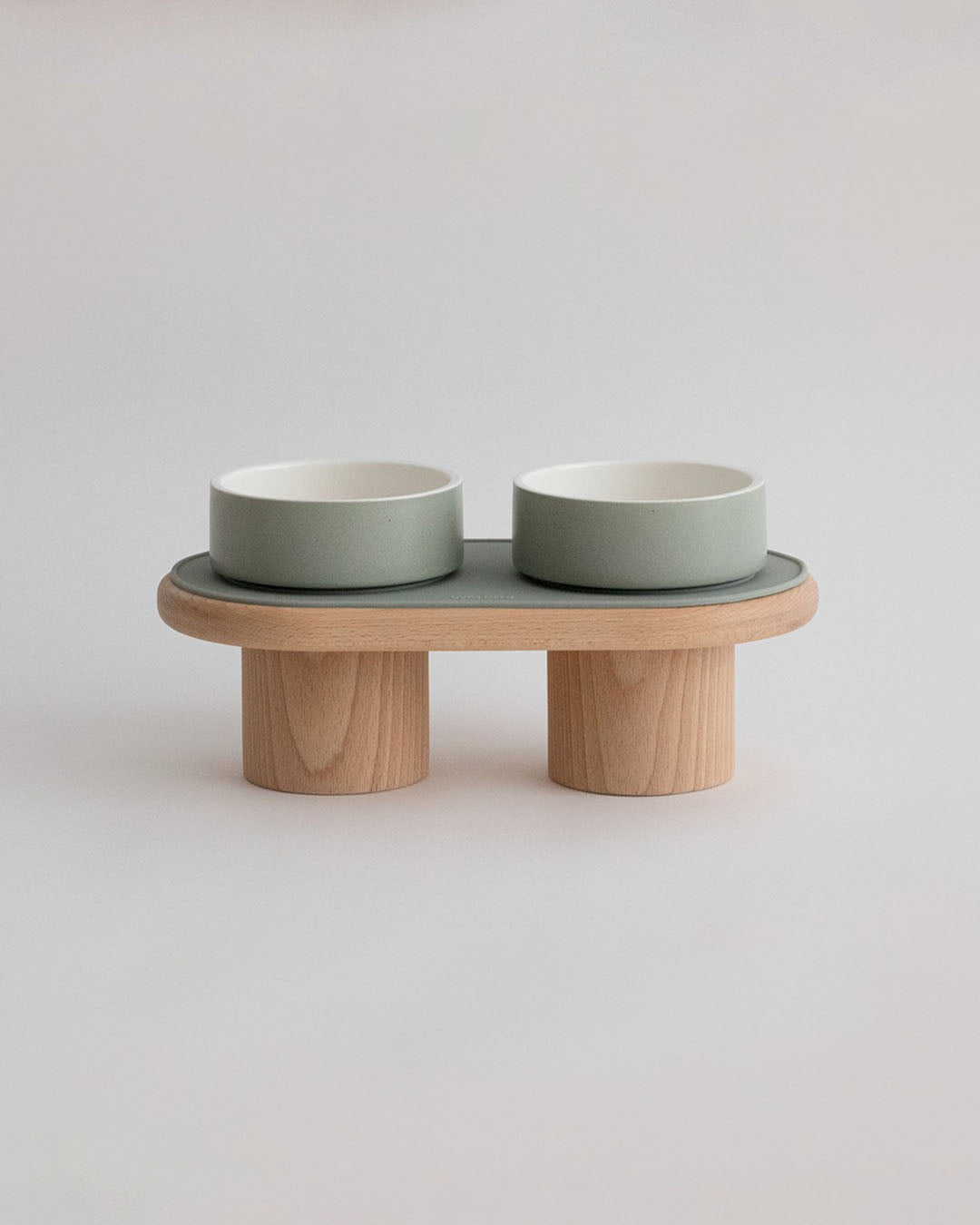
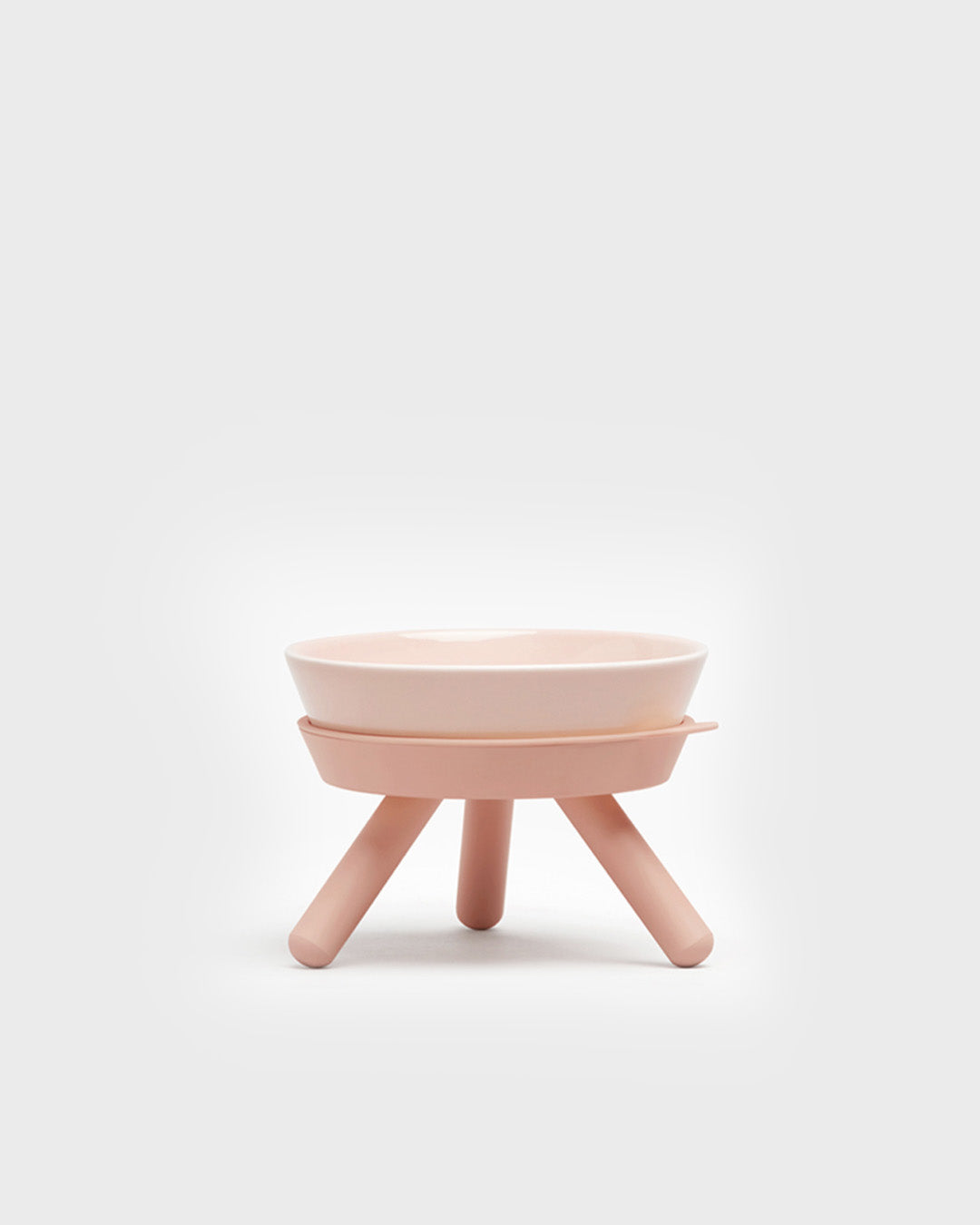
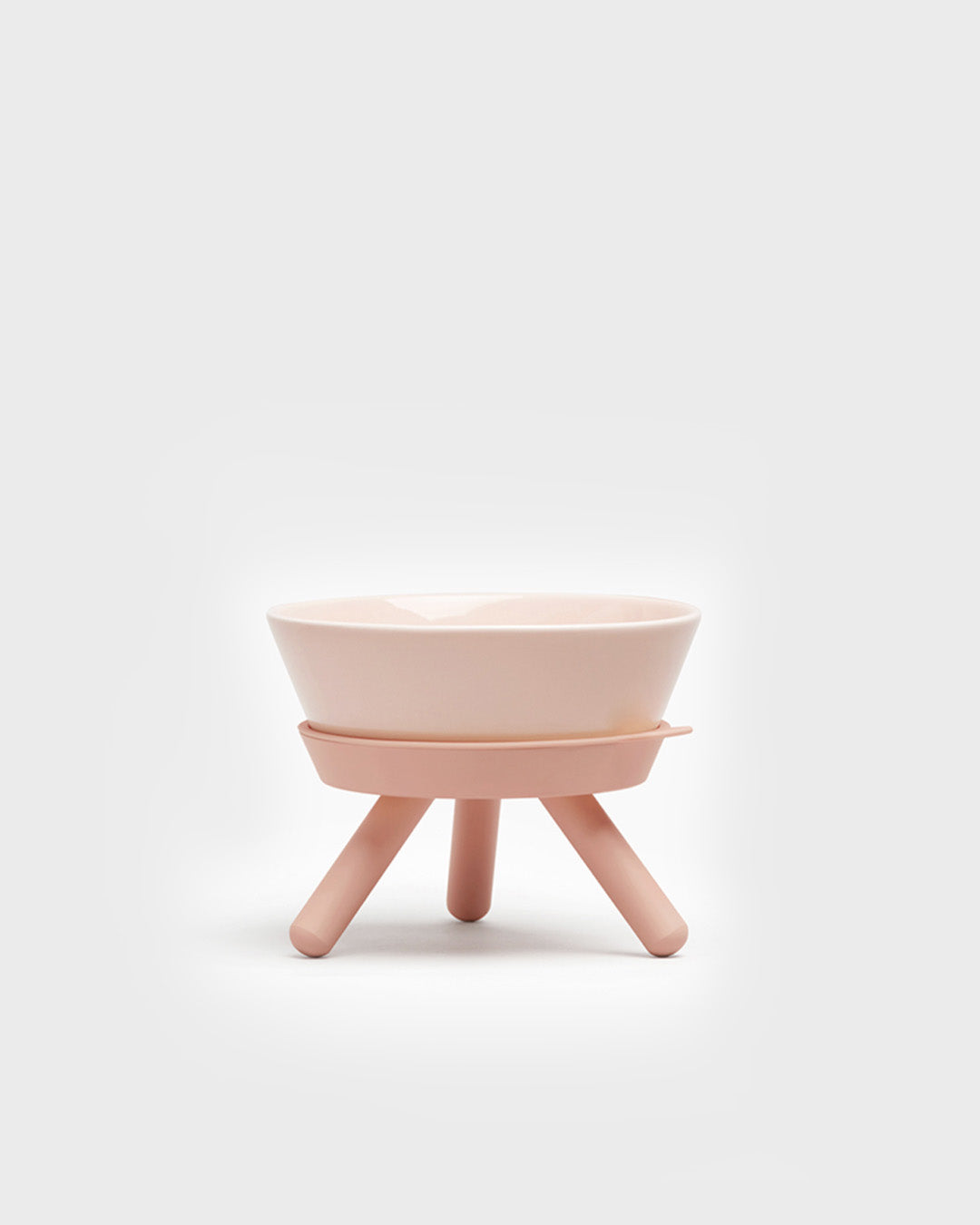
Elevated pet bowls
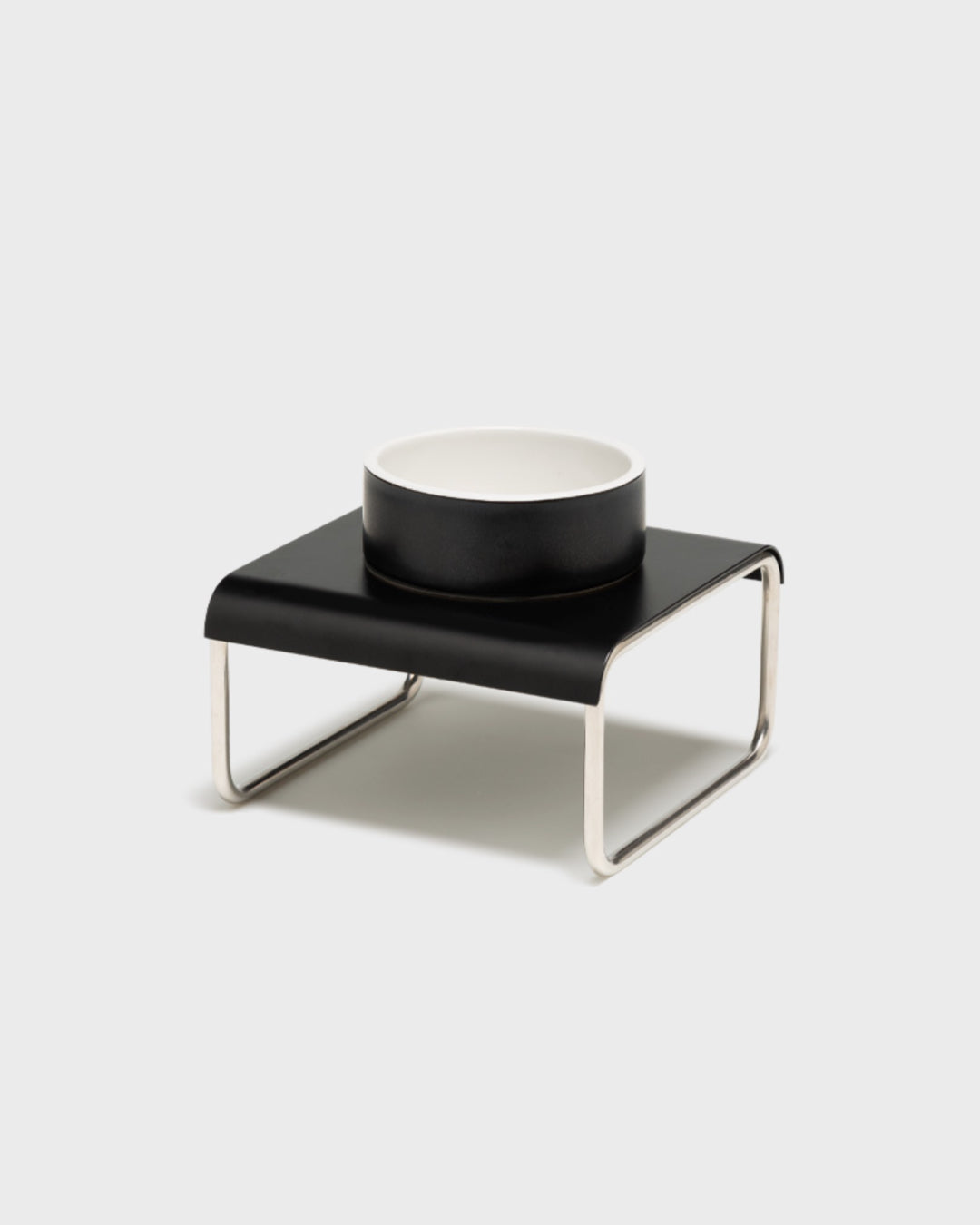
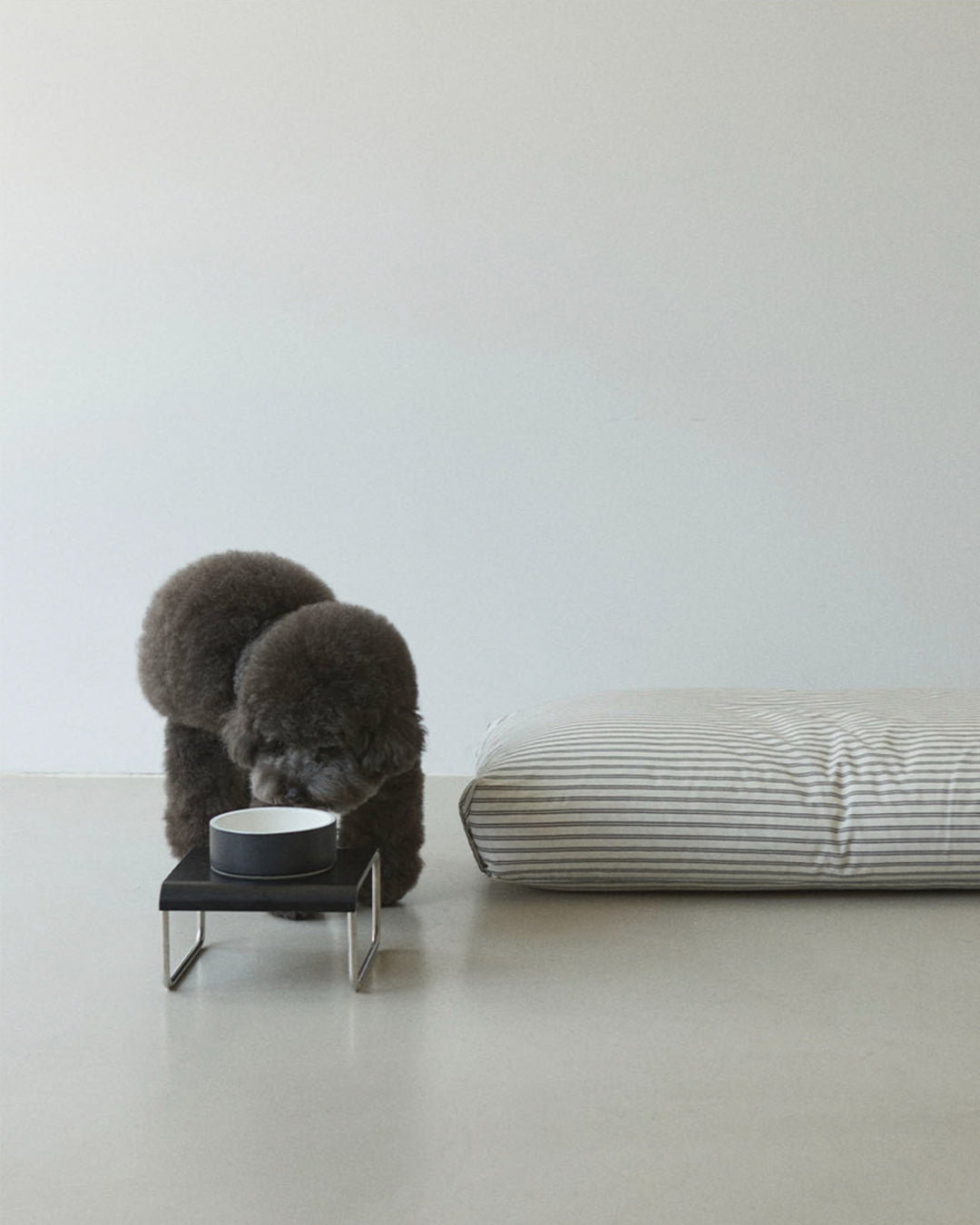
- Bring food closer to natural head level
- Support a more neutral eating posture
- May reduce neck strain and discomfort
A more natural eating position can also help pets eat at a steadier pace and feel more comfortable during meals.
3. Is an Elevated Bowl Better for Dogs?
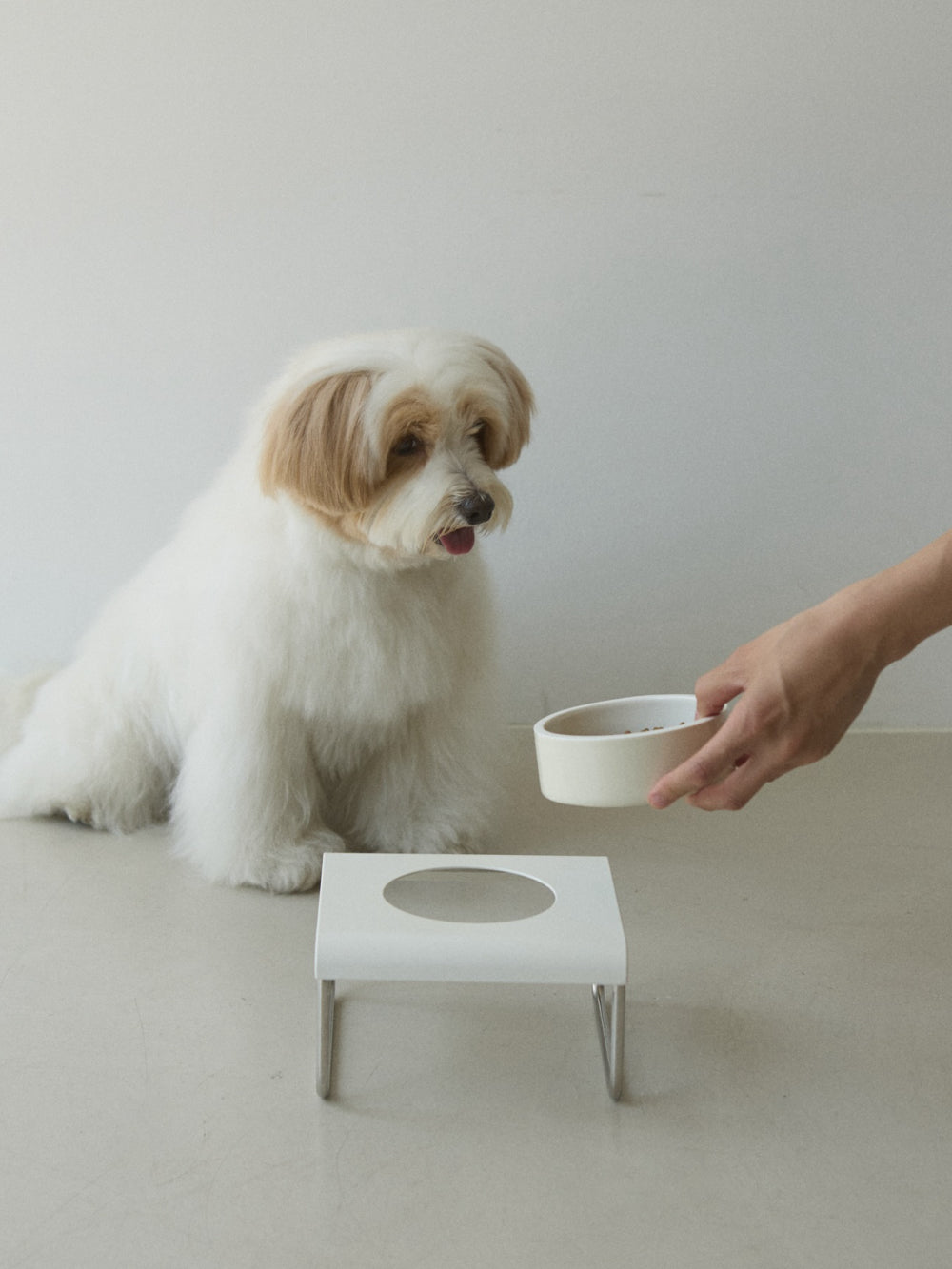
Whether an elevated dog bowl is better depends on the dog’s size, age, and physical condition.
Raised dog bowls are often helpful for:
- Grown-up dogs
- Medium to large dogs
- Senior dogs
- Dogs with joint stiffness or neck issues
By reducing how far a dog needs to bend, the right dog bowl height can support a more relaxed eating posture.
That said, elevated bowls are not automatically better for every dog. A bowl that is too high can cause just as much discomfort. The goal is a natural stance, not forcing the dog to stretch upward.
4. Do Cats Need Elevated Bowls?
Cats are often more sensitive to eating posture than dogs.
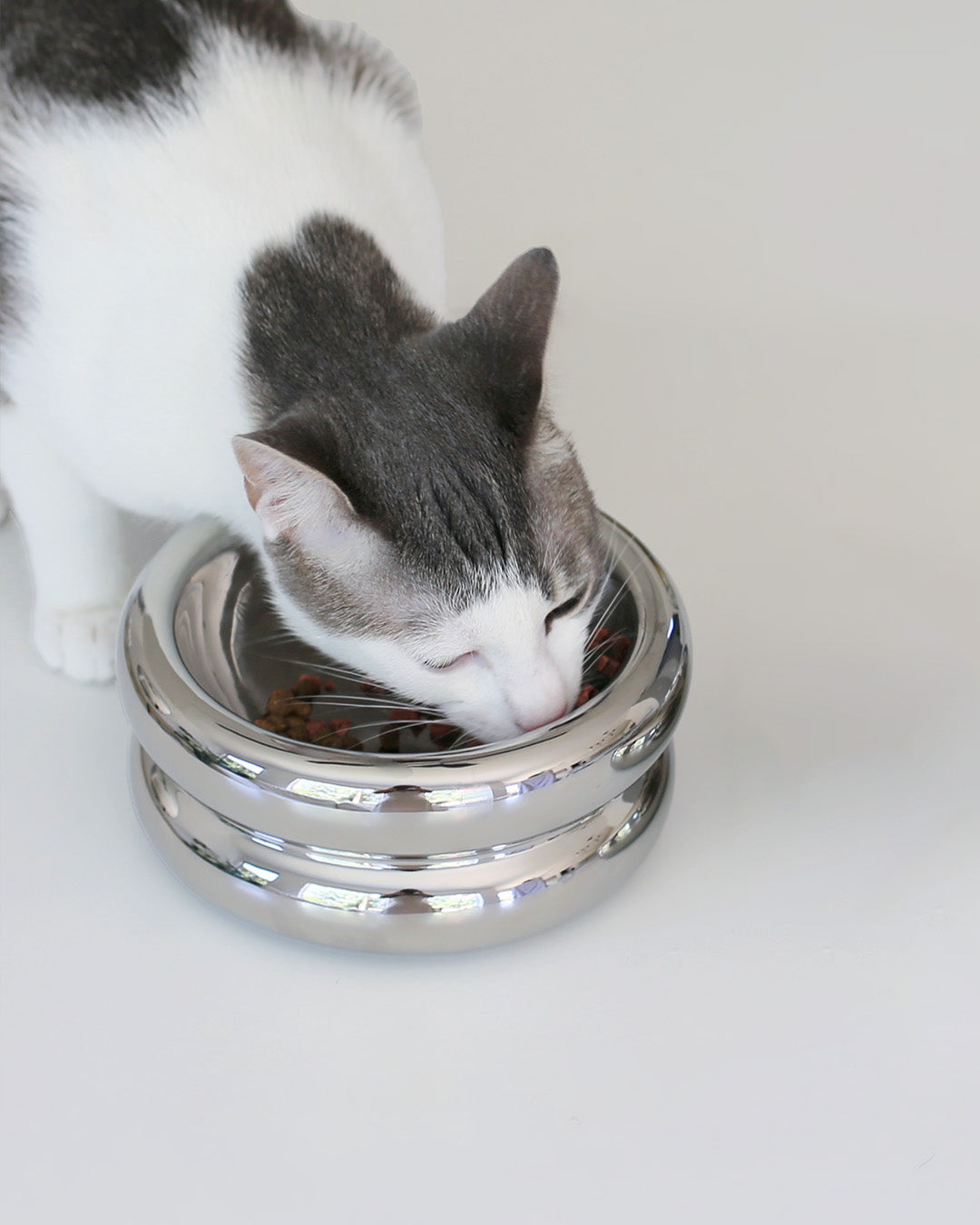
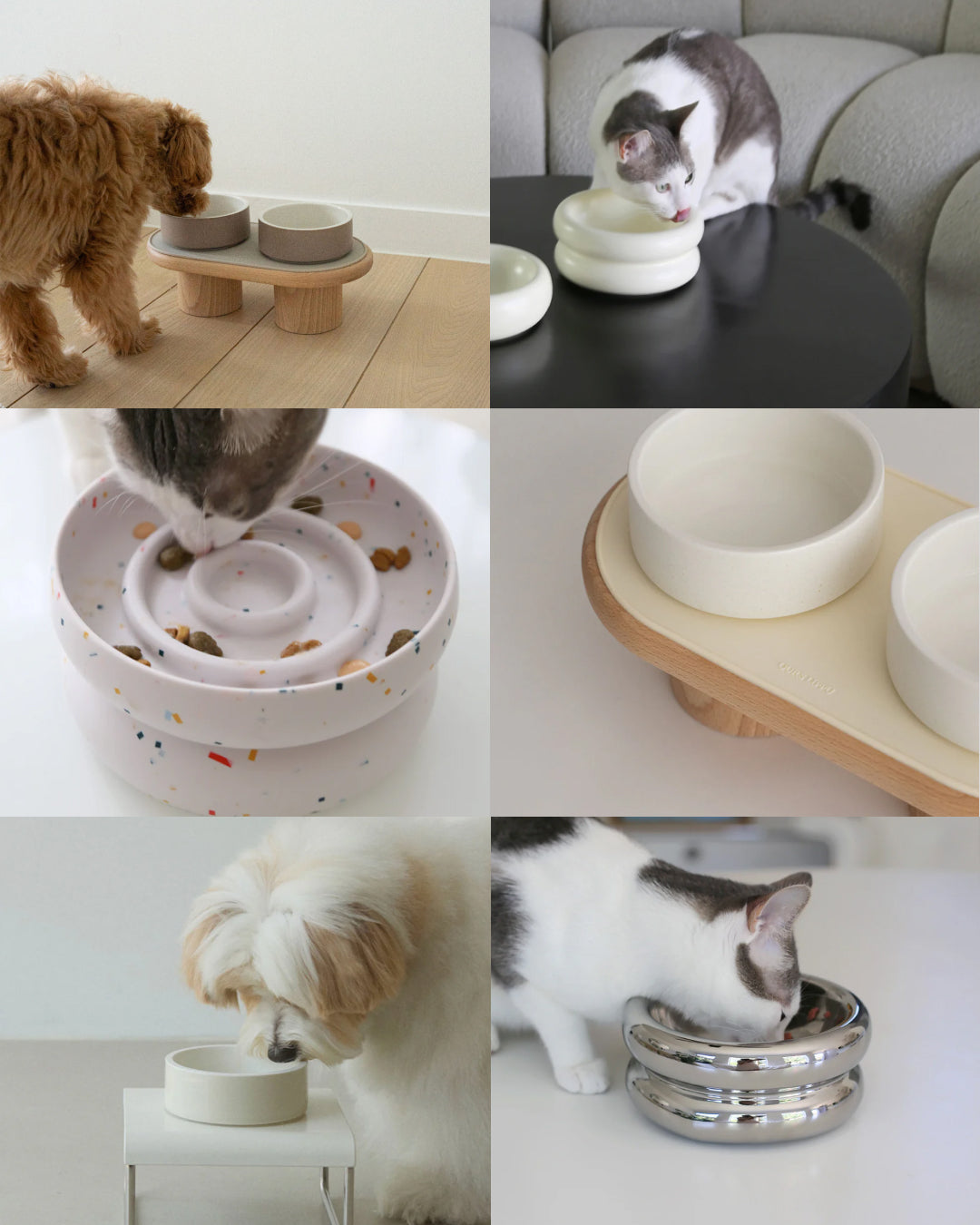
Many cats benefit from elevated cat bowls because they:
- Reduce neck bending while eating
- Support a more upright eating position
- Can help minimize discomfort caused by awkward posture
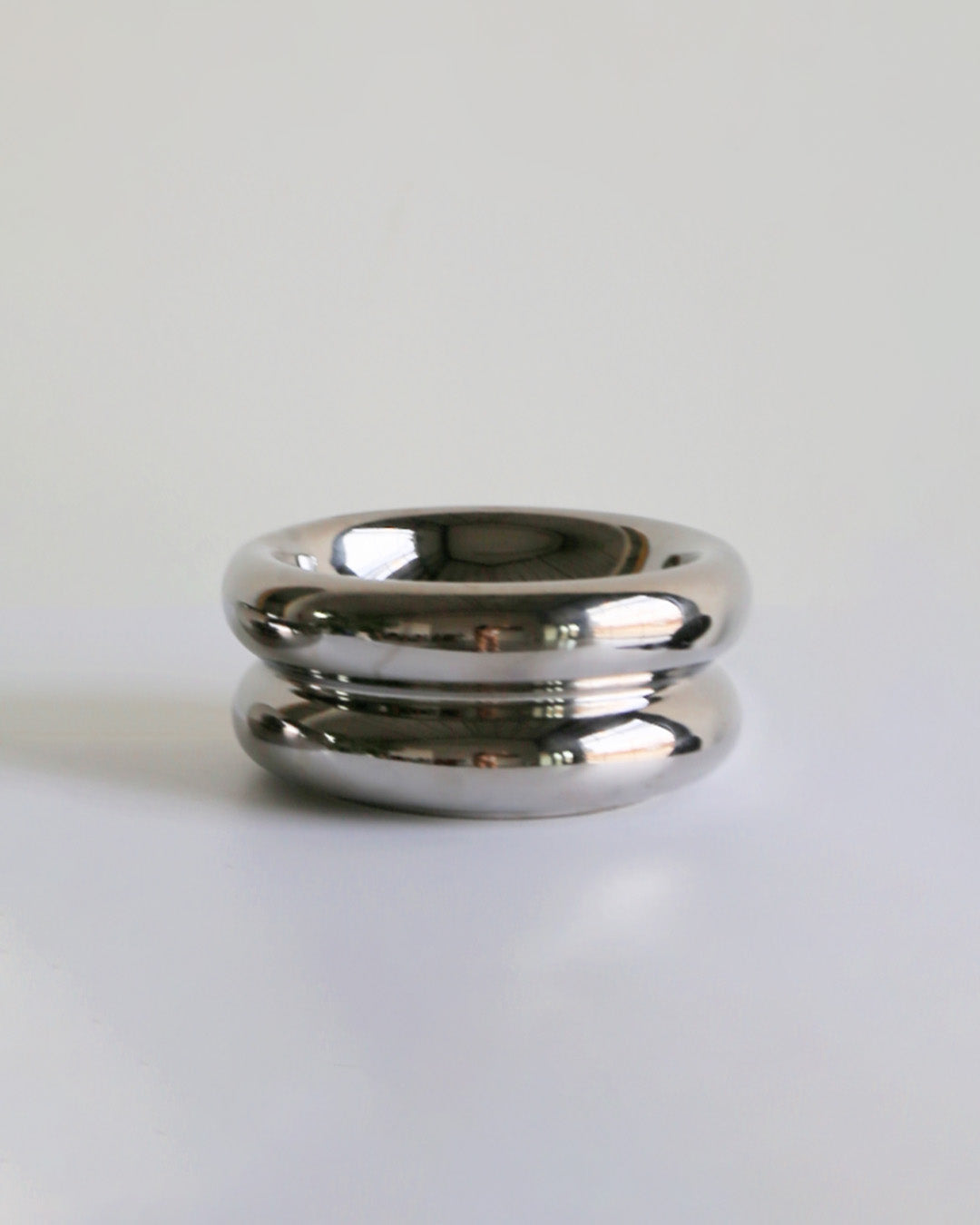
For indoor cats who eat in the same spot every day, even a small amount of elevation can improve daily comfort. This is why raised cat bowls are increasingly common in modern feeding setups.
5. What Height Should a Dog or Cat Bowl Be?
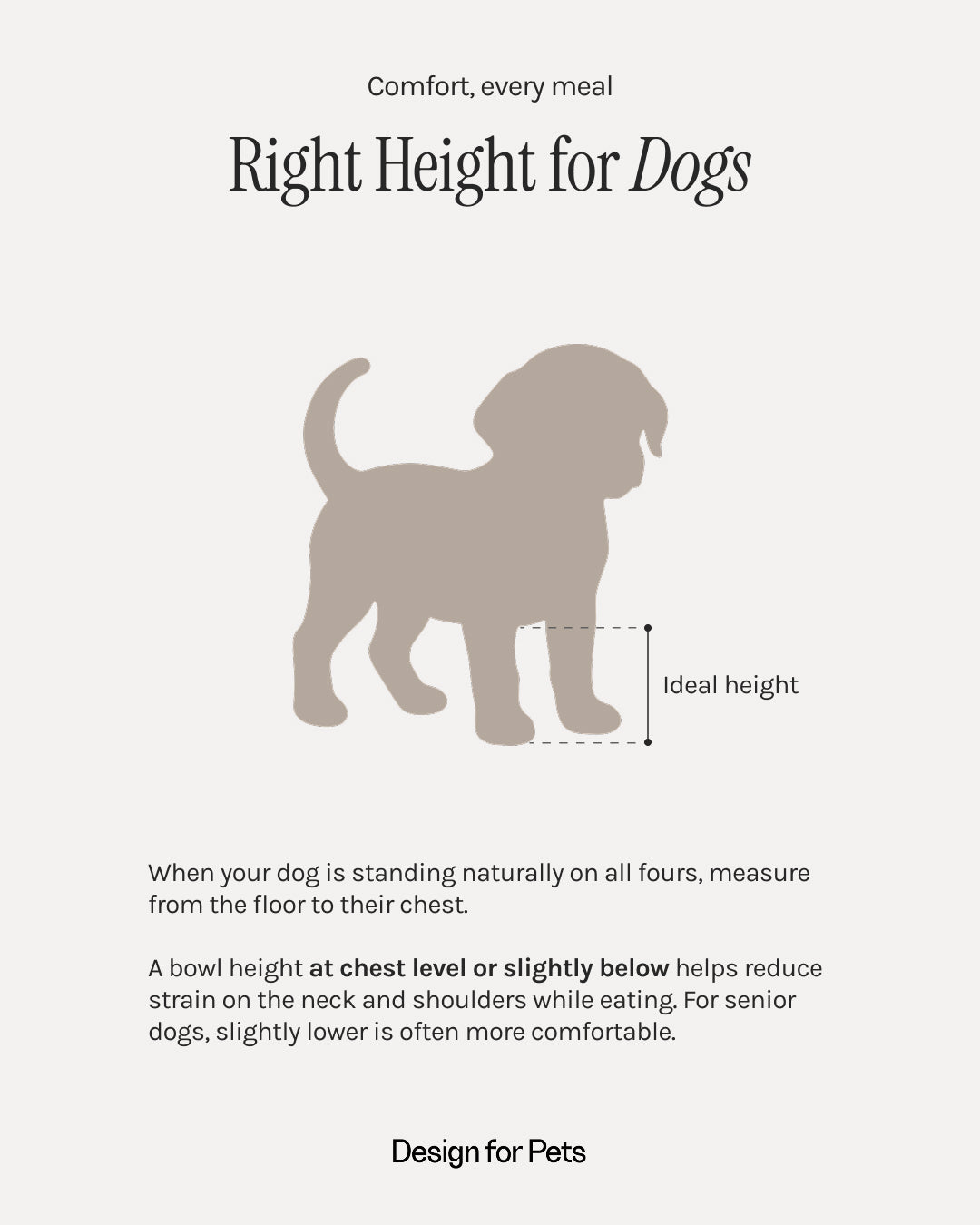

There is no single perfect height for every pet. The right height depends on your pet’s body size and natural posture.
General guideline
The bowl should allow your pet to eat without sharply bending the neck or stretching upward.
For dogs
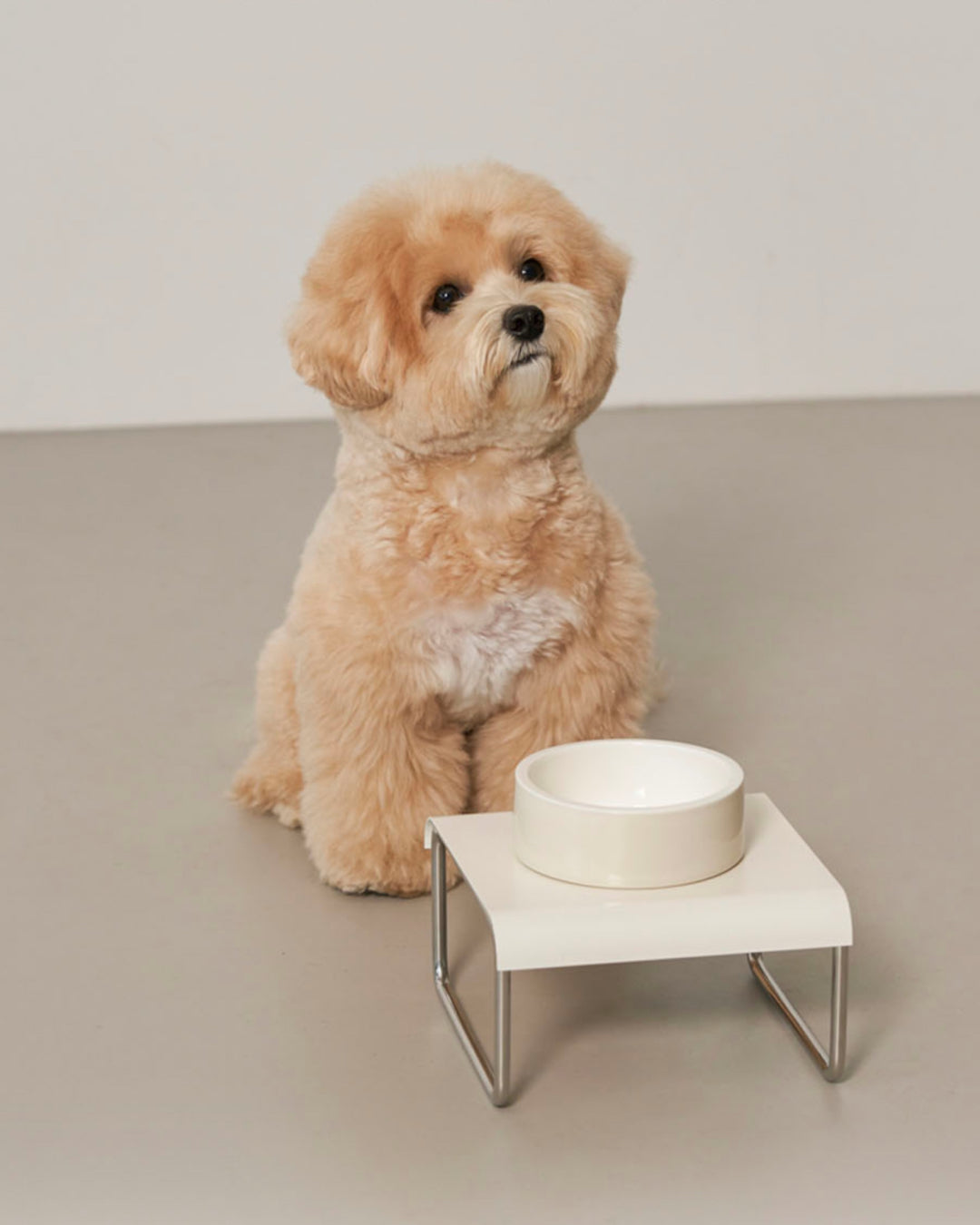
- Small dogs: floor-level or slight elevation
- Medium dogs: low to mid elevation
- Large dogs: moderate elevation that keeps the neck neutral
For cats
- A low elevation that gently lifts the bowl
- Enough height to reduce neck strain without forcing posture
When choosing pet bowl height, observe your pet. A relaxed stance and steady eating pace are good signs the height is appropriate.
6. Final Thoughts
Not every pet needs an elevated bowl. But for many dogs and cats, the right bowl height can improve posture and make daily meals more comfortable.
Instead of following trends, focus on how your pet eats. Small adjustments to feeding height can make a meaningful difference over time.
If you’re looking for a bowl that supports comfortable posture while fitting seamlessly into a modern home, explore our elevated bowl designs at designforpets.co.