1. A Toy That Looks Fine Can Still Be “Done”
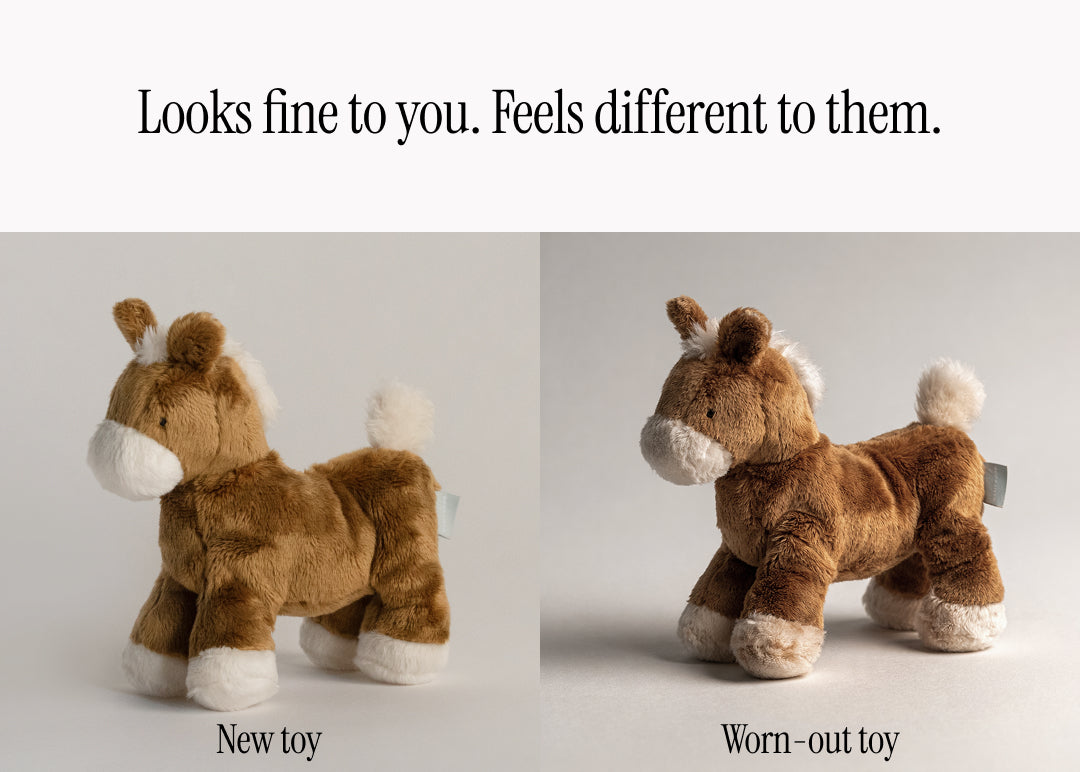
Most people retire a pet toy when it finally tears, cracks, or falls apart. But a toy can stop doing its job long before it looks damaged.
That’s because play depends on feedback—smell, texture, resistance, and sound. When that feedback changes, your pet experiences the toy differently.
- Scent buildup
A plush toy can hold onto months of saliva and everyday residue. Over time, the scent becomes “background noise,” and the toy loses the clear signal that used to keep your dog engaged.
- Texture and resistance shift
Rubber toys can get smoother or softer at the edges. When the original “push-back” disappears, chewing often becomes less satisfying.
- Sound quality drops
A squeaker that’s weaker or inconsistent can change the whole interaction. Some dogs bite harder or disengage faster because the reward signal isn’t reliable anymore.
So even if the toy still looks fine, it may already be “done” in the way that matters: it no longer delivers the experience your pet is looking for.
2. The Habit Your Pet Is Actually Building
Pets don’t just “play.” They repeat patterns—and those patterns become routine.
A dog practices a specific chewing style. Fetch becomes a familiar loop (chase → grab → return). Even solo play turns into a set rhythm (pick up → settle → work → pause). Cats often play through a small version of hunting behavior.
When a toy changes, your pet usually doesn’t stop repeating the behavior. They adjust the behavior to get the same payoff.
The first sign usually appears in the way your dog engages with the toy.
- Is your dog pulling harder than usual?
If a toy no longer gives the same resistance, play can become more intense as your dog tries to get the same release.
- Is your dog gripping differently or readjusting more often?
When a ball becomes slick, grip and jaw pressure often change with it.
- Is your dog biting more, shaking more, or seeming less satisfied?
If the toy stops responding the way it used to—less sound, less texture feedback—pets often “try harder” to get the same result.
That’s why the “replace when broken” mindset misses the point. Sometimes the bigger issue isn’t the toy’s condition—it’s the new routine the toy is quietly shaping.
3. What Repetition Does to a Toy (and to Your Pet)
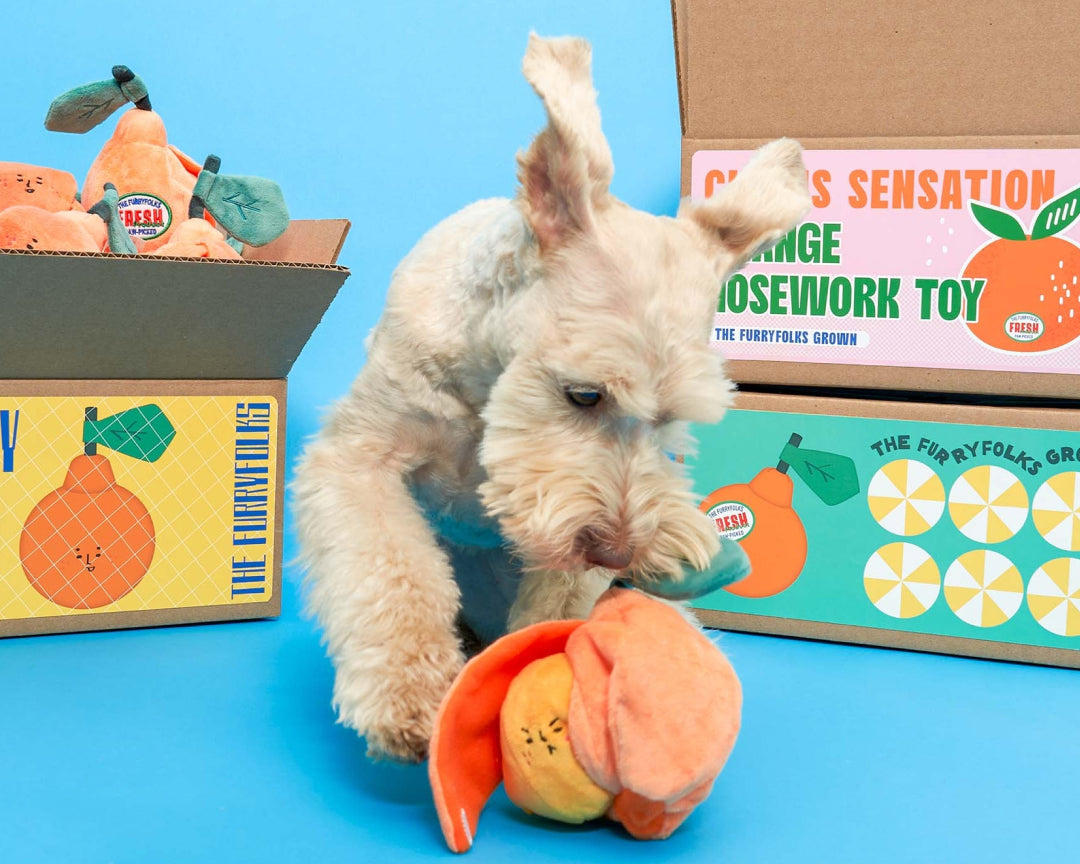
With daily use, wear shows up in two places at once: in the toy itself and in the way your pet responds to it.
What changes in the toy
- Surfaces smooth out, edges soften
- Fibers fray, seams loosen
- Squeakers weaken, crinkle flattens
- Scent builds up in fabric and stitching
- Chew resistance becomes less consistent
What changes in your pet
- They lose interest faster
- Play becomes more intense or more “testing”
- They repeat the same motion more, but seem less satisfied
- They look for a reaction that isn’t there anymore
At Design for Pets, we think of toys and behavior as a feedback loop:
the toy shapes the play—and the play reshapes the toy.
When the tool stops giving clean feedback, play can drift into “busy repetition”: more effort, less reward. Not because your pet is misbehaving—but because the toy no longer supports the kind of play it used to.
4. When “Good Enough” Becomes the Daily Normal
“Good enough” sounds harmless—but over time, it lowers the standard of your pet’s everyday life.
Most people keep a toy because it still seems usable. But “usable” is a low bar. It means the toy is still there—not that it is still doing its job well.
A toy that feels grimy, has gone quiet, or has lost its shape may still be in the room, but it no longer gives your pet the same quality of play. The problem is not just wear. The problem is repetition. When your pet keeps returning to the same low-feedback toy every day, that lower-quality experience starts to feel normal.
And once that becomes the routine, your pet adapts to less. Less stimulation. Less satisfaction. Less engagement.
That’s what makes “good enough” a bad standard. It asks your pet to keep working with something that is no longer giving much back.
Pets live through habit. Their world is smaller, their routines are tighter, and the things they use every day matter more than we think. So when a toy quietly declines, the drop in play quality doesn’t stay small—it becomes part of the daily normal.
A toy should not stay in rotation just because it still exists. It should stay because it still supports healthy, satisfying play.
5. How We Think About the Toy Cycle at Design for Pets
We don’t curate toys based on what’s cute or trendy. We curate based on one practical question:
Does this toy match what the animal is naturally built to do?
When people say “instinct,” it can sound abstract. But it’s simple: pets return to certain behaviors again and again—especially when they need stimulation or release. A toy lasts (and stays in rotation) when it gives those behaviors a clear, satisfying outlet.
We lean toward these categories not because they’re popular, but because they reliably support how dogs actually play.
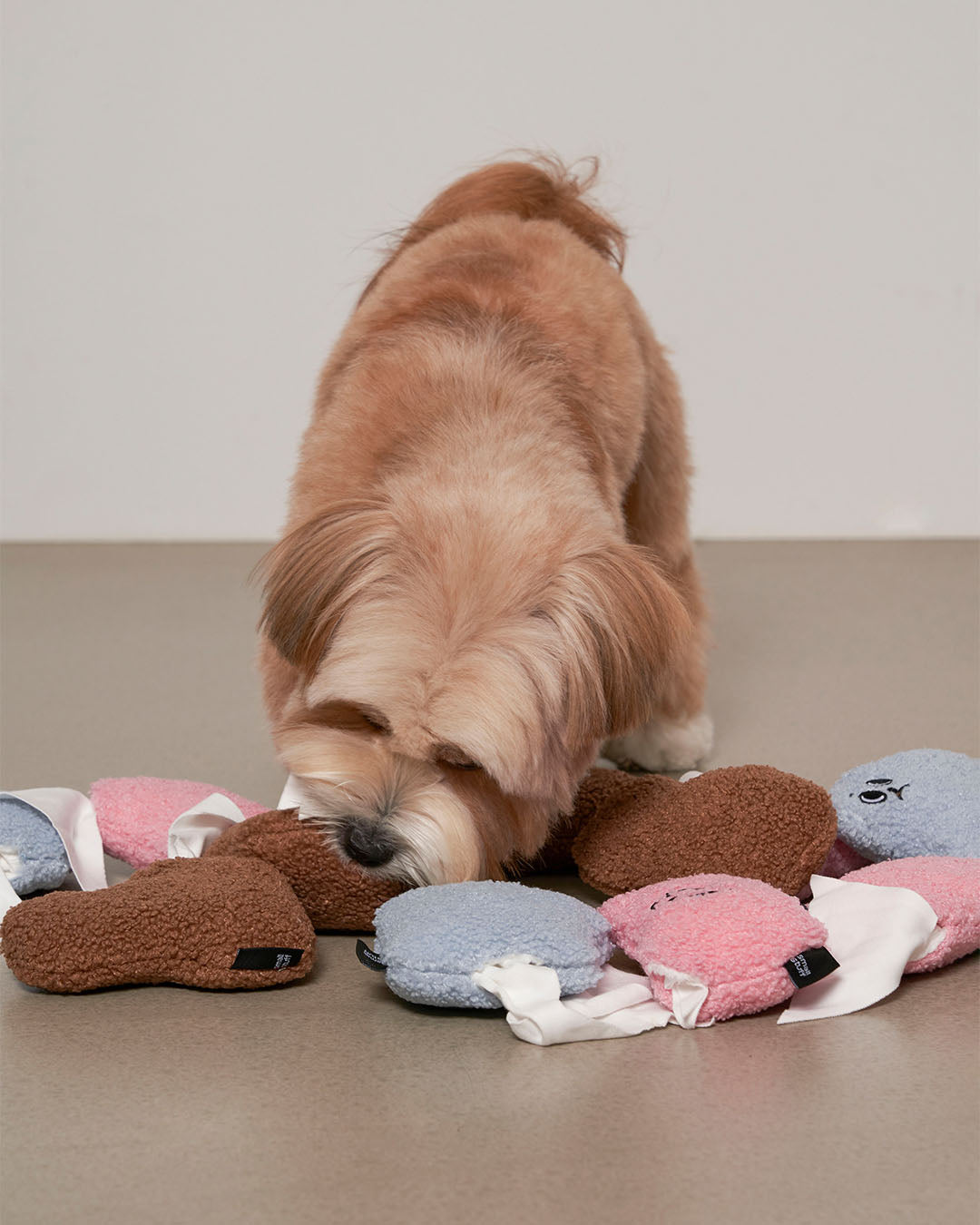
Scent-driven exploration
Gives sniffing and searching energy somewhere constructive to go. It slows the dog down, holds attention longer, and turns curiosity into focused engagement.
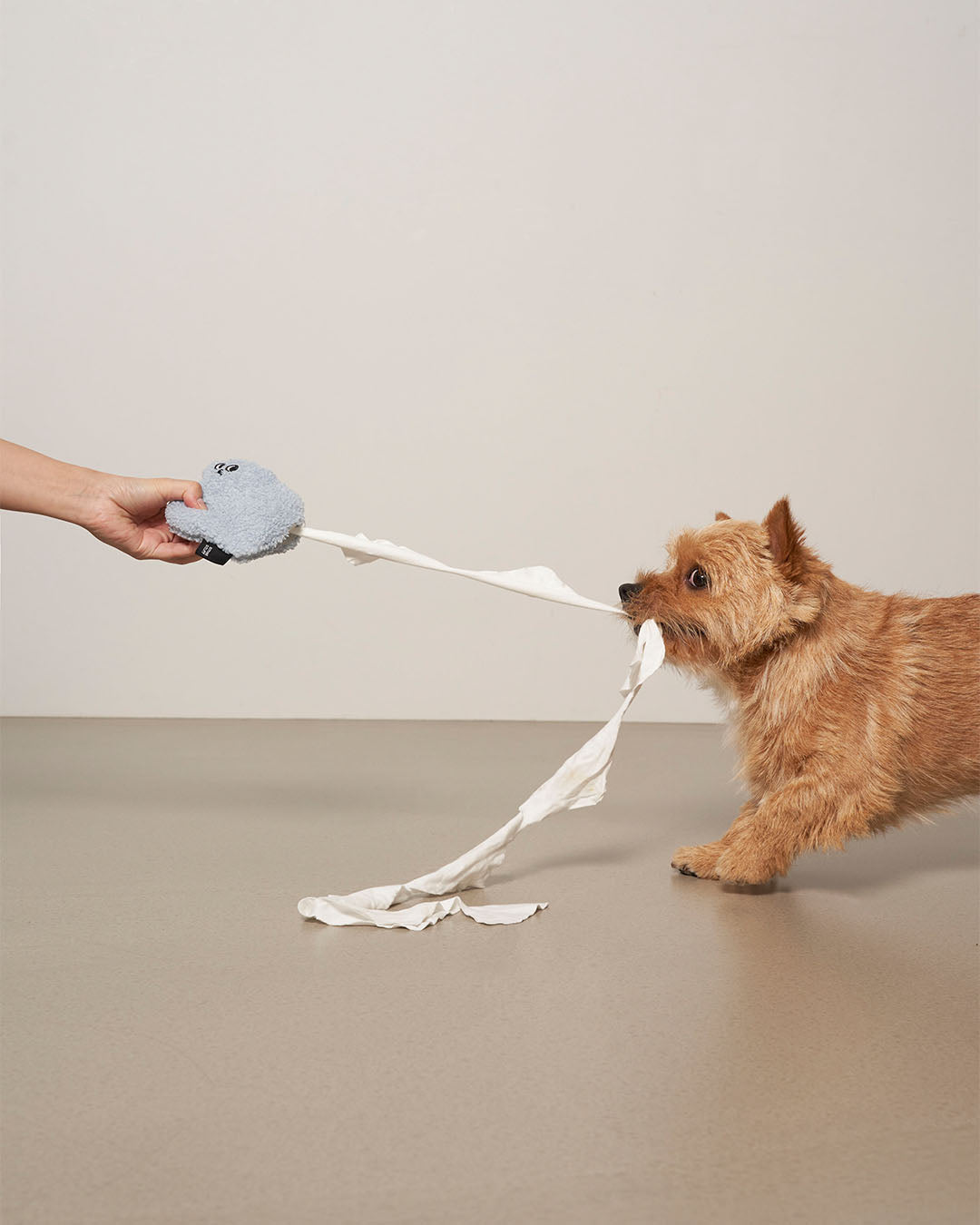
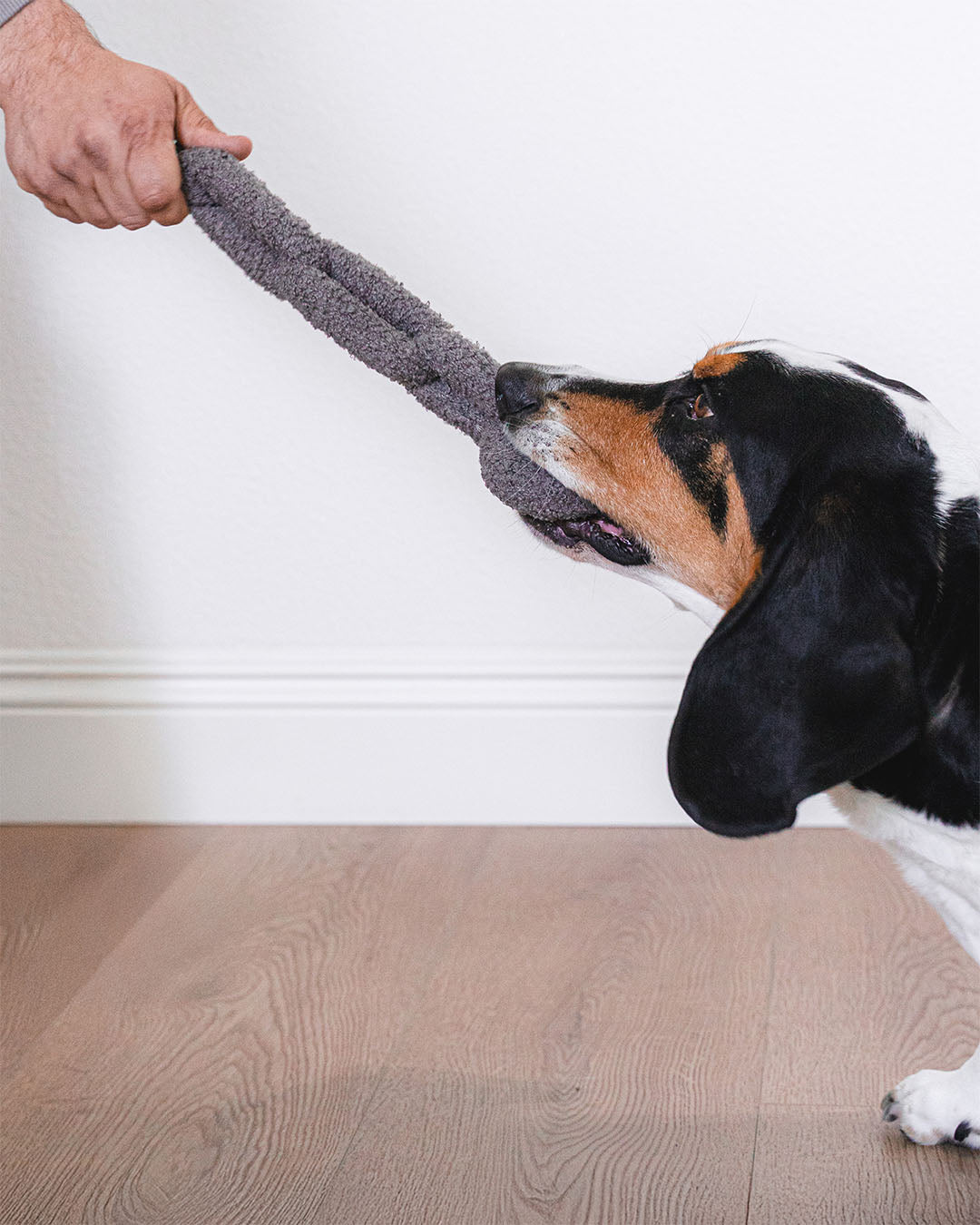
Resistance-based play
Gives pulling, gripping, and jaw pressure a safe place to go. It helps channel physical energy into a more controlled, satisfying kind of play instead of scattered intensity
Sound response
Gives the dog immediate feedback that something happened. That quick response can help keep play engaging, especially for dogs that stay interested when the toy “answers back.”
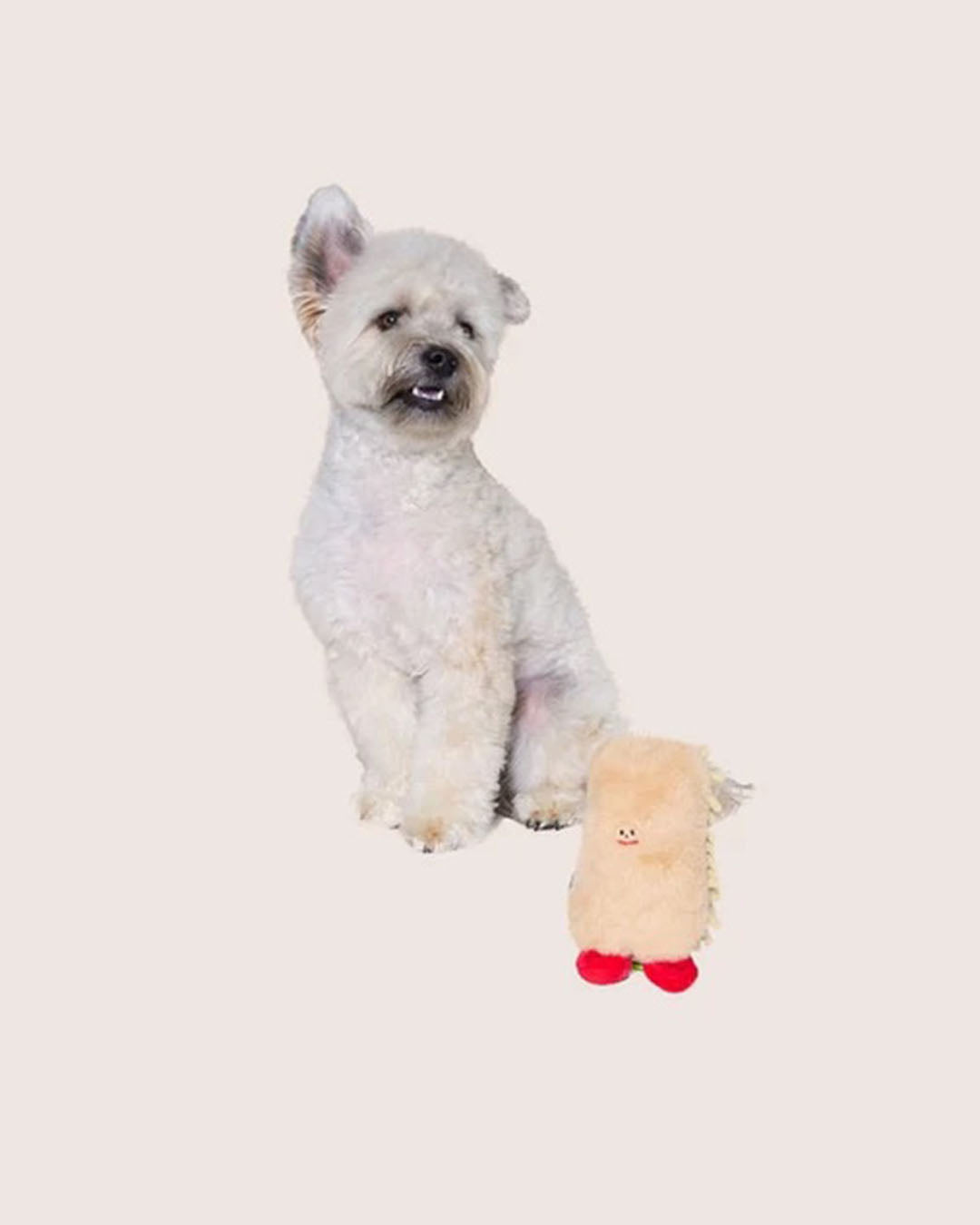
Design matters because access matters
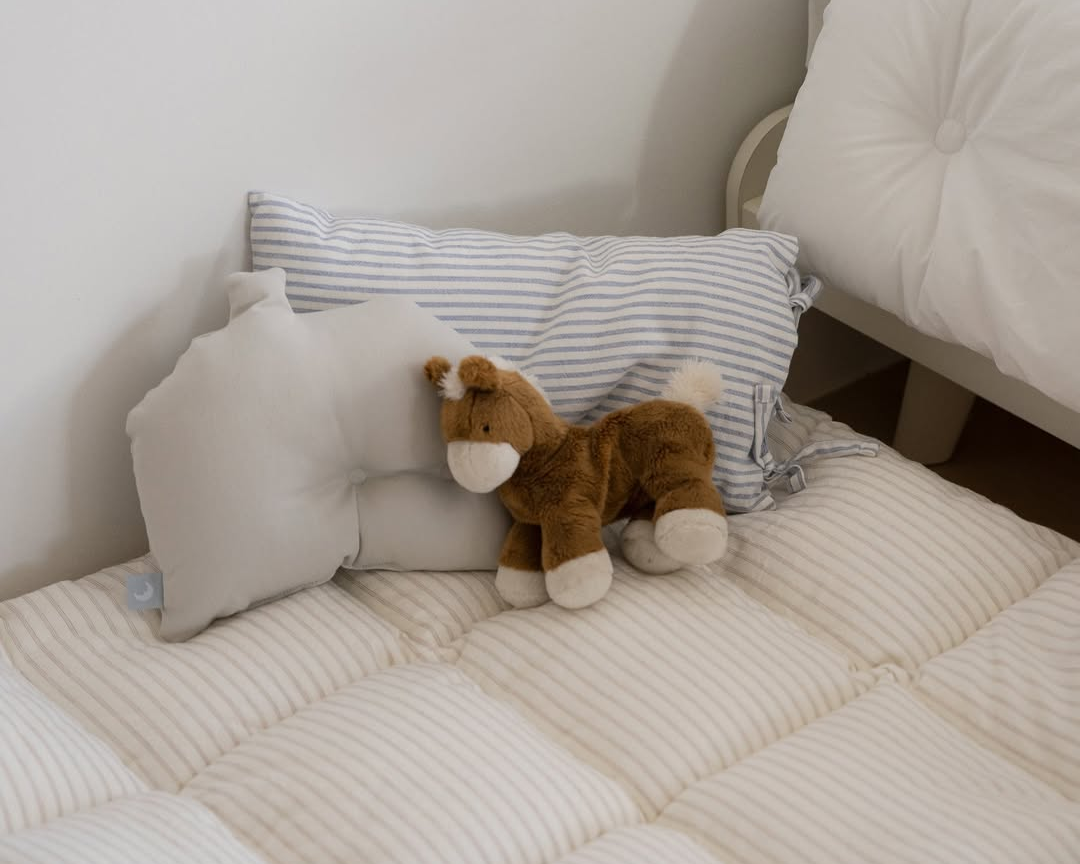
Toys live in your home, not in a product photo. And what lives in the home has to work in real life.
Have you ever put a toy away because it looked too messy when guests came over?
That matters more than it seems. If a toy feels like visual clutter, it gets put away. And once it’s put away, it gets used less—meaning the routine disappears, too.
That’s why minimal, modern design isn’t just an aesthetic preference. It’s a practical standard tied to usage: a toy that fits the room stays out—so your pet actually keeps using it.
Related Questions
Dog toys usually keep dogs engaged longer when they match the way dogs naturally play—through sniffing, pulling, gripping, or quick feedback. The best toy is often the one that gives the dog a clear and satisfying outlet, not simply the newest or most stimulating one.
A toy can still be usable and still lose its place in the routine. If the feedback changes, the toy becomes less rewarding, and if it is no longer easy to see or reach, it often gets used less over time.
In many cases, yes. Toys that fit naturally into the space are more likely to stay visible, and toys that stay visible are more likely to remain part of the daily routine.
6. Our Take: Replace Before the Routine Goes Off Track
The best time to replace a toy isn’t when it falls apart. It’s when the quality of play starts shifting.
Before you inspect the toy, watch your pet. If play gets shorter, rougher, or less focused—or if your pet moves from “playing with it” to “working at it” just to feel a reaction—that’s often the real signal that the toy’s cycle is ending.
Our approach is simple: we choose toys based on behavior, and we refresh them based on behavior. The goal isn’t a toy that lasts forever—it’s a routine that stays healthy over thousands of repetitions.