
Living with a dog does not mean compromising on how your home feels. The homes that feel most settled — for both the people and the dogs in them — are not the ones with the most pet products, but the ones where every detail was considered.
The homes that feel most settled — for both the people and the dogs in them — are not the ones with the most pet products. They are the ones where every detail was considered. Where things were placed because they made sense, not just because there was room.
These are five details that make the difference.
Watch Where Your Dog Actually Rests
Most people place a pet bed or house where it fits. A corner that is not being used. A wall with some room. An area that could hold one more thing.
The problem is that approach ignores where your dog actually goes.
Watch for a few days before placing anything. Where does your dog settle in the afternoon? Where do they go when they want to be close but not on top of you? That is where the bed or house belongs — not where it fits, but where it is actually used.
A pet house placed in the right spot becomes a retreat your dog returns to on their own. And if you want to extend that space — to give them somewhere to lounge just outside of it — a soft indoor mat placed in front creates that transition naturally. It gives them a reason to stay in that corner rather than migrate to wherever the next surface is.

A resting spot that becomes part of the room.
Build a Structure Your Dog Can Navigate
Dogs want to be where you are. On the sofa at the end of the day. On the bed in the morning. In whatever room feels warmest.
The question is not whether to let them — it is whether they can get there without help, and whether that help looks like it belongs in the room.
A pet step placed where your dog actually tries to climb solves this cleanly. Not in an empty corner. Not wherever there is space. Where the path already is.
If you want to add stability — for the step and for your dog — a mat placed alongside it gives extra grip and grounds the piece visually. It stops the step from looking like something that ended up there and starts looking like something that was meant to be there.
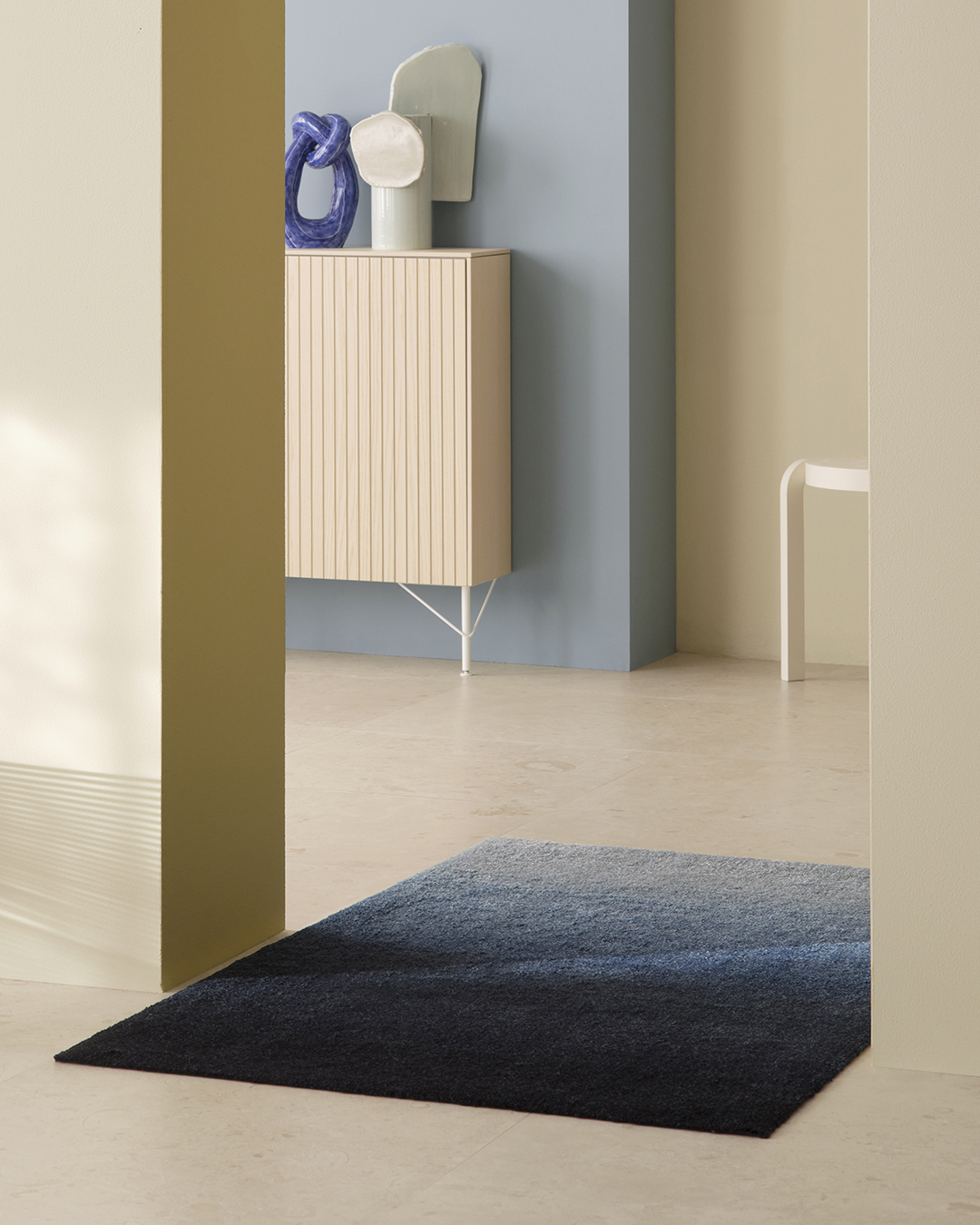
A mat that grounds the piece visually.
Don't Overlook the Door
The entryway is where a dog-friendly home either works or starts to fall apart.
Every walk ends here. Every muddy paw, every burst of energy from outside — it all comes in through the front door. What you have in place at that moment determines how much of it makes it into the rest of your home.
A well-designed doormat does more than catch dirt. It creates a pause — a moment between outside and inside that helps establish a routine for both you and your dog. The mat is there every time. It does not have to be thought about. It just works.
That kind of quiet reliability is what good design looks like in a home with a dog.
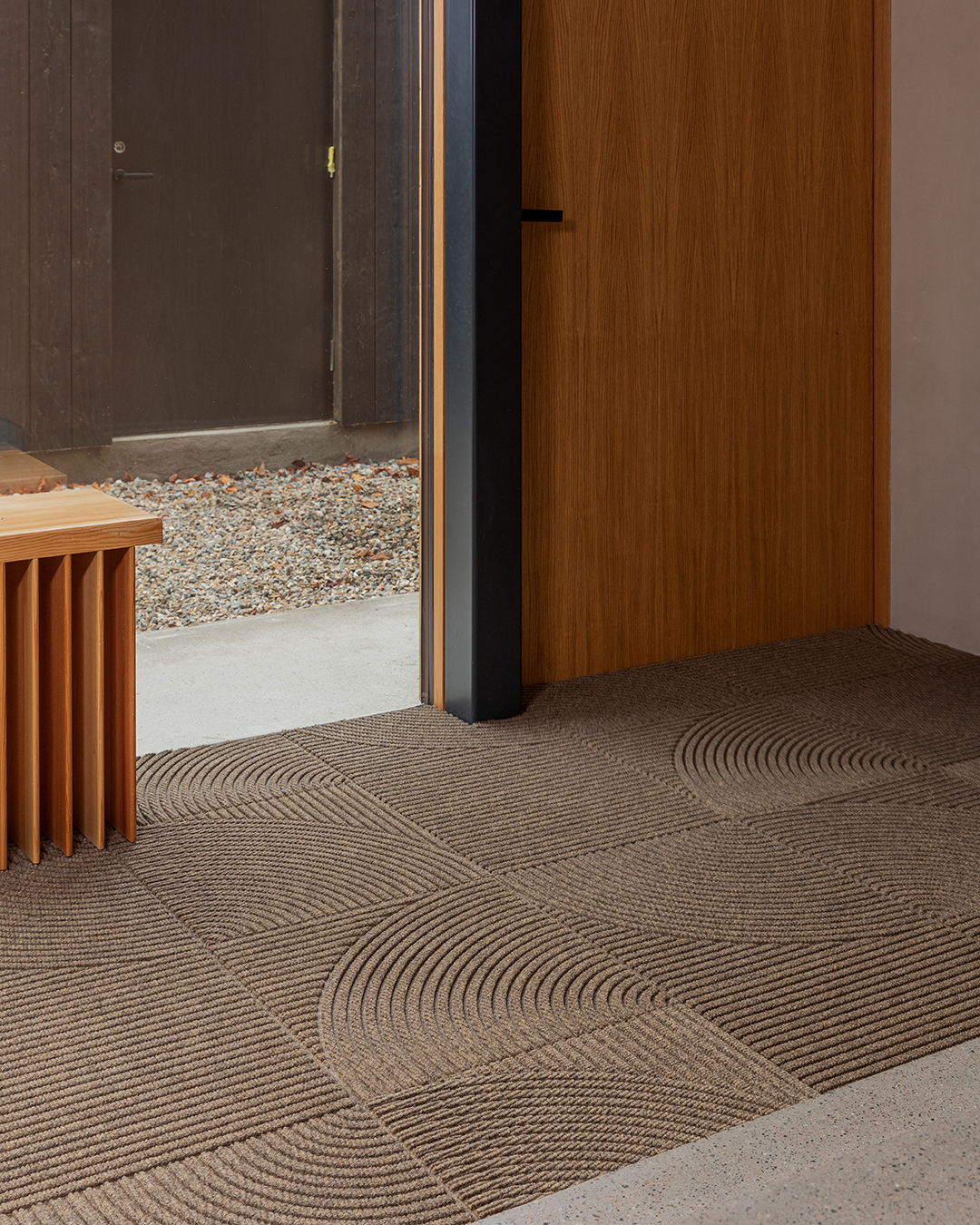
A pause between outside and inside.
Choose Materials That Work With Your Space
Pet products fail a room most often not because of what they are, but because of how they look next to everything else.
A bold pattern in a neutral room. A glossy finish next to matte furniture. A color that has nothing to do with anything already there. None of these decisions feel significant on their own. Together, they create a room that feels assembled rather than considered.
Color
The safest approach is to pull from what is already in the room. A mat in a tone that echoes the rug. A pet house in a finish that reads like furniture. You are not trying to match perfectly — you are trying to avoid contrast that pulls the eye.
Material
Textures that feel closer to home goods than to pet supplies tend to integrate better. Woven surfaces, matte finishes, natural tones. These sit quietly in a room and stop being things you notice after the first week.
The goal is not to hide that you have a dog. It is to choose things that look like they were chosen — because they were.
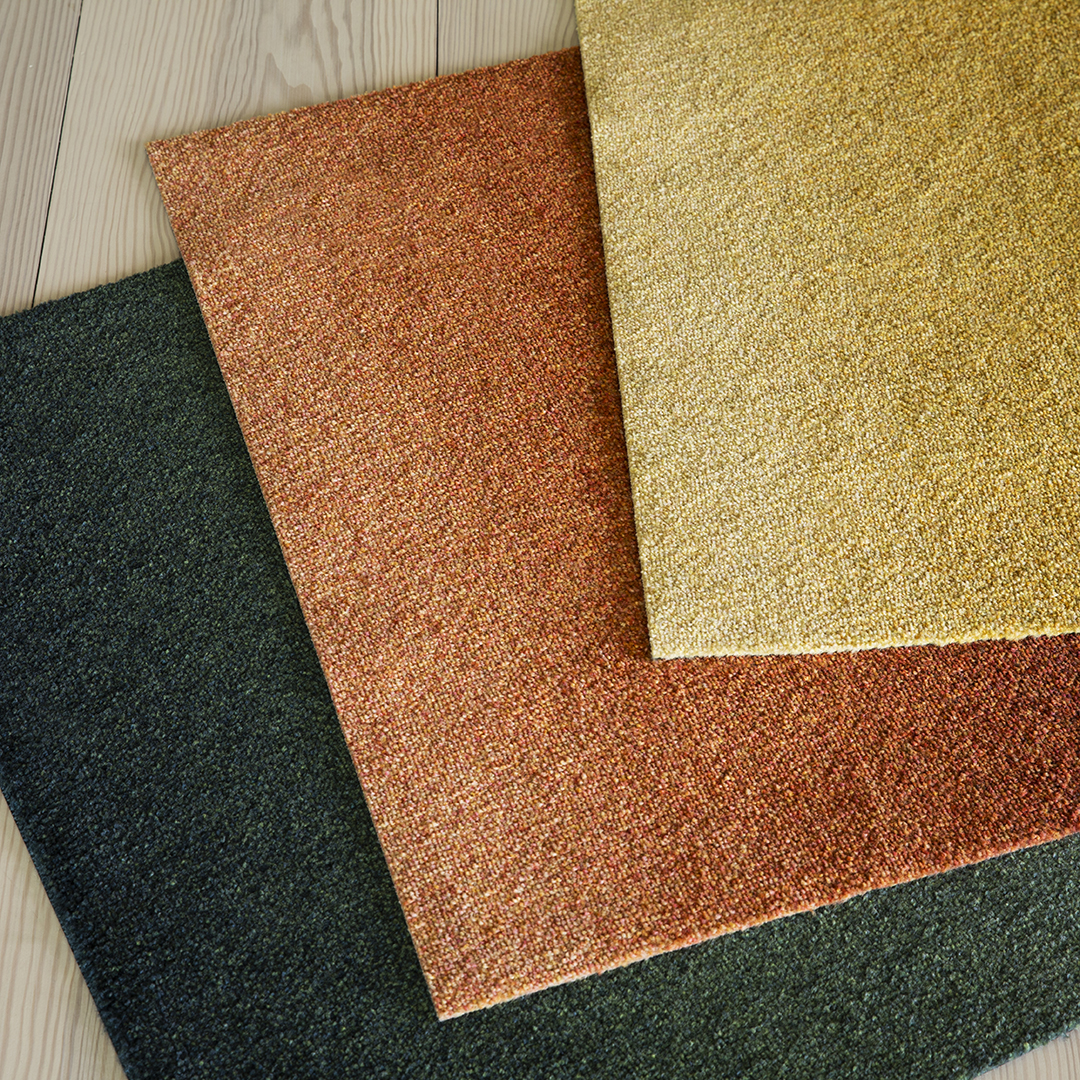
Texture, finish, and tone — chosen rather than assembled.
Keep It Edited
The rooms that feel most settled with a dog in them tend to have fewer pet products, not more.
Not because the dog needs less — but because each thing that is there was actually chosen. A step where it is needed. A house in the right spot. A mat that does what it is supposed to do without asking to be noticed.
Accumulation is what makes a home start to feel like it belongs to the dog. Not any single decision, but the gradual layering of things that sort of work, things that were temporary, things that were never quite right but stayed anyway.
The edit is not about minimalism. It is about intention. And intention, more than anything else, is what makes a dog-friendly home still feel like yours.
The edit is not about minimalism. It is about intention — and intention is what makes a dog-friendly home still feel like yours.
Read more
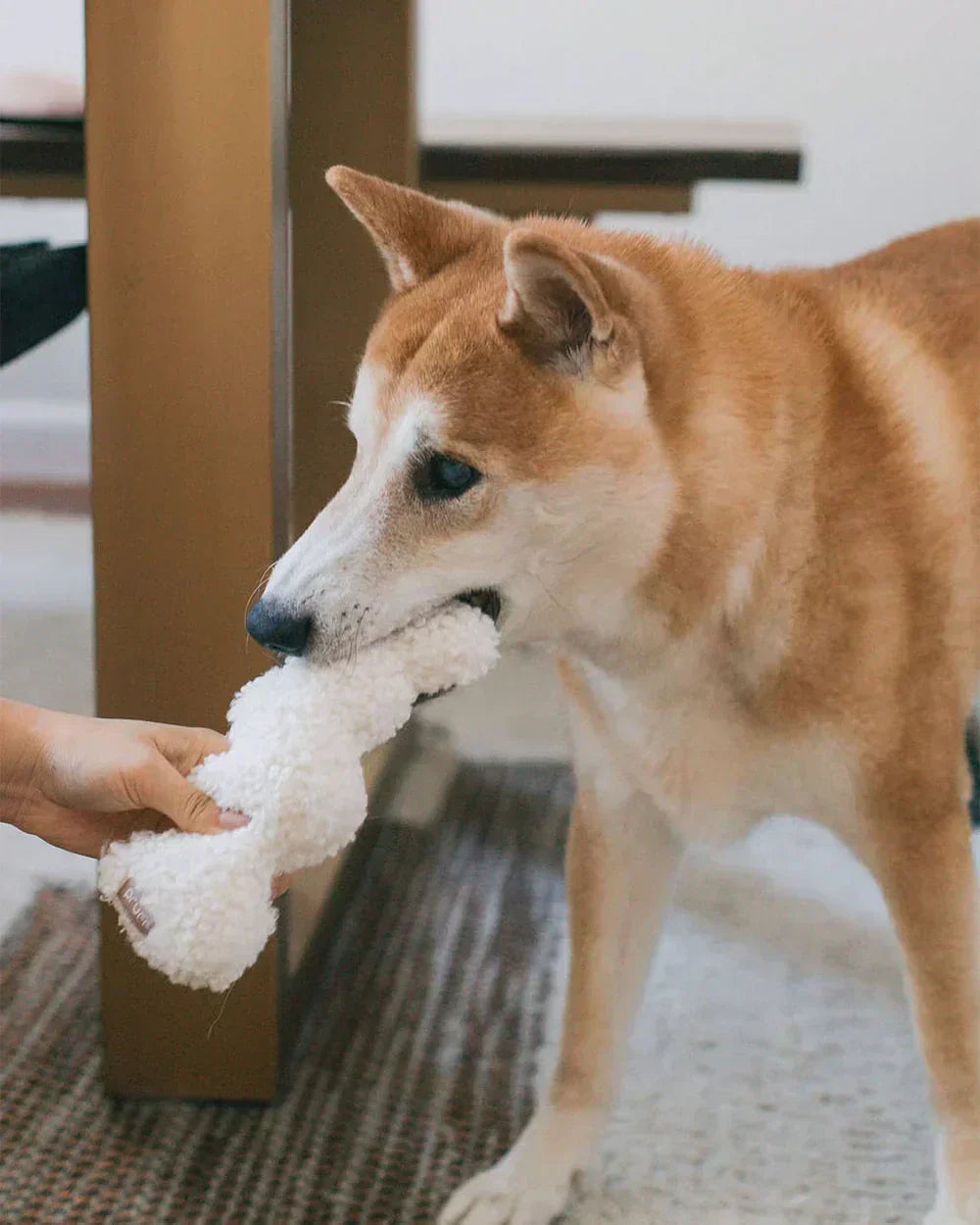
Are crinkle toys good for dogs? What age are they best for? Discover when to give your dog a crinkle toy, plus three top picks from the Design for Pets crinkle toy collection.
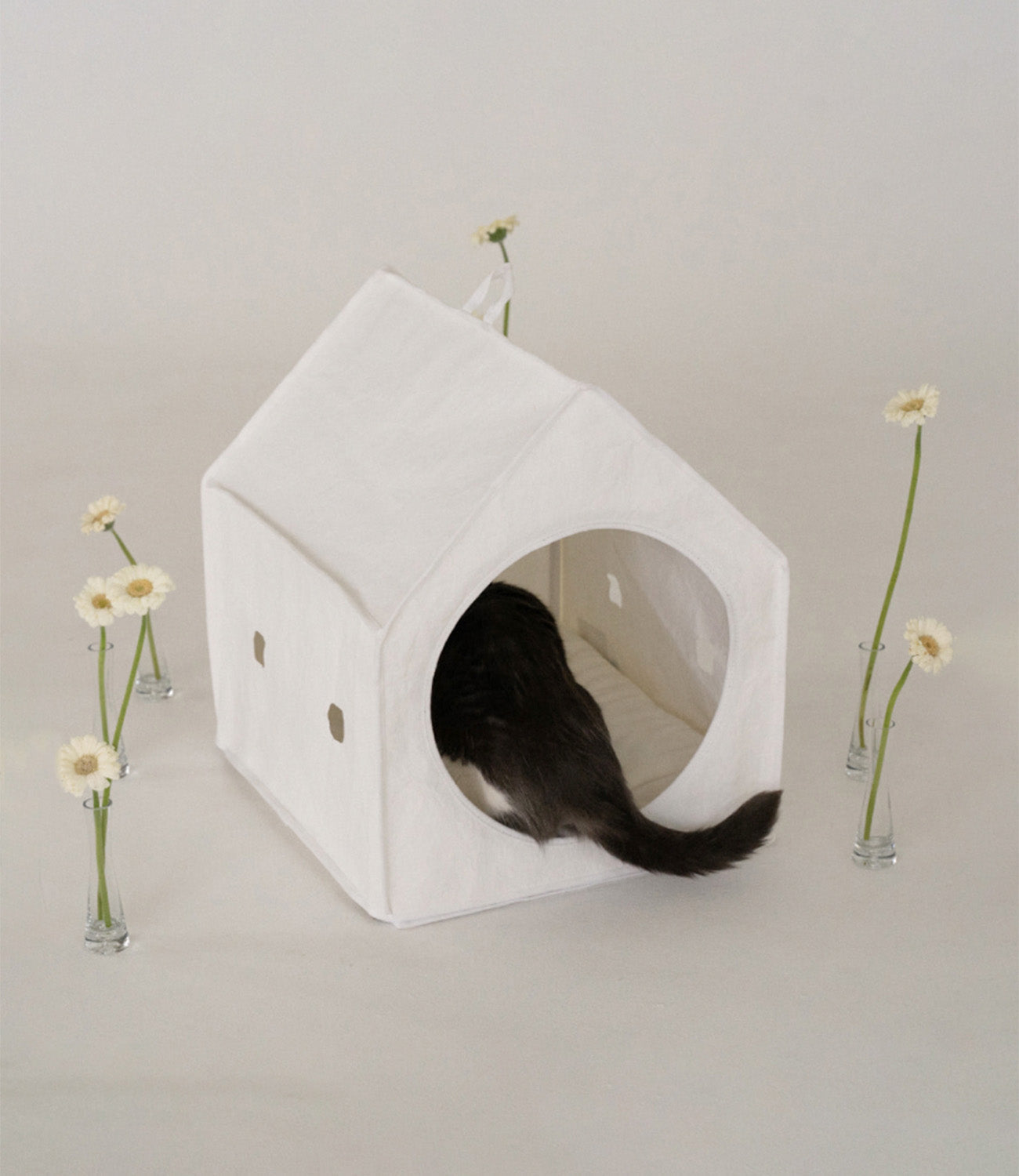
Cats are quiet about their stress. Learn the subtle signs — and a few thoughtful products that actually help.